
There was a cold snap last winter when I finally felt the chill seep through my living room window—despite the glass looking perfectly fine from the inside. I remember tugging at the sash, feeling a little more rattly than it used to be, and thinking, “Is this just air, or am I about to spend a small fortune on new windows?” That moment, I realized many homeowners jump the gun on replacements without checking the real culprits behind drafts and leaks. It’s something I learned the hard way, and I want to spare you the same costly mistake.
Don’t Burn Money Before You Check These 5 Things
Replacing windows can seem like the obvious fix for drafty, chilly homes. But before you start staring at window price tags or scheduling installers, it’s worth knowing that many issues can be resolved through simpler, more affordable repairs. In fact, research shows that up to 70% of window drafts are caused by minor issues that DIY fixes can correct, rather than needing complete replacement. That’s why I’ve compiled a straightforward checklist—so you can confidently decide whether it’s time for a window upgrade or if a few tweaks will do.
What Could Go Wrong If I Skip the Checks?
Back in my early days of homeownership, I mistakenly replaced my windows too soon because I underestimated these simple problems. That blunder cost me hundreds of dollars and a lot of unnecessary labor. Learning from that, I now always review key areas first—something I’ll guide you through. Trust me, avoiding this upfront check can save you time, money, and a lot of frustration.
Are you tired of feeling that winter breeze every time you walk close to your windows? Do you suspect your windows are the problem, but aren’t sure where to start? This post is for you. We’ll focus on clear, actionable steps to pinpoint whether your windows are truly past their prime or if a quick fix can restore comfort to your home.
Inspect the Window Seal Carefully
Start by examining the perimeter of your window for any visible gaps or cracks. Use a flashlight at night to identify light leaks from the outside. A personal tip: I applied this method last winter and noticed a tiny gap at the bottom corner, which I sealed immediately—cost nothing and made a big difference.
Check the Weatherstripping
Remove the movable sash to access the weatherstripping along the frame. Over time, it can crack or peel, reducing its effectiveness. Replace worn-out weatherstripping with durable foam or rubber seals. I found that upgrading my weatherstripping increased my home’s comfort instantly. For a step-by-step guide, visit this resource.
Evaluate and Repair Window Hinges
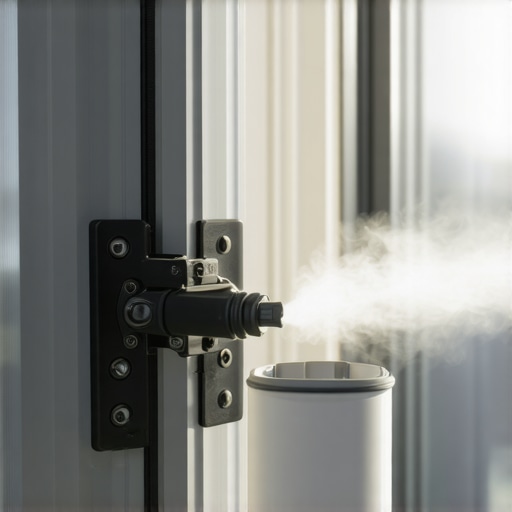
Loose or stiff hinges can cause gaps or rattles, letting drafts creep in. Loosen, clean, and lubricate the hinges with silicone spray—never oil, as it attracts dirt. Last year, I adjusted my hinges and minimized rattling and draft issues. If hinges are damaged, consider replacing them or consulting a professional from trusted repair services.
Seal Gaps with Affordable Fixes
For smaller leaks, apply self-adhesive foam or weatherproof tape to the identified gaps. Be sure to press firmly to ensure a tight seal. This quick fix cost me less than ten dollars and noticeably improved my indoor temperature. Avoid expensive replacements when simple repairs can handle many issues—see affordable solutions.
Consider Sash Adjustments for Rattles
If your window sash feels loose or wobbly, it might be misaligned. Tighten the sash cords or replace worn pulleys. In my case, realigning the sash eliminated both rattles and drafts. For fast fixes, explore these sash repair tips.
Test the Seal with the Coin Method
Press a coin against the closed window’s edges to detect small leaks. If you feel air or see cold spots on the coin, a seal might be compromised. This simple test saved me from unnecessary window replacement last season. For detailed testing techniques, refer to expert advice.
Apply Insulating Film for Extra Protection
As a final step, consider installing shrink film insulation on the interior. This creates an air cushion that reduces heat loss. I installed it myself last winter—it’s cheap, easy, and effective. For instructions and product recommendations, see this guide.
Many homeowners believe that choosing a high-quality window cleaner, instantly replacing old windows, or hiring a professional guarantees long-term savings and efficiency. However, these assumptions often overlook nuanced challenges and common pitfalls that can sabotage your efforts. For instance, relying solely on commercial cleaners without understanding their chemical compositions might lead to streaks, haze, or even damage to specialized coatings—like those in solar or smart glass. Instead, exploring proven solutions such as the window cleaner mix recommended in this guide can make a significant difference. Furthermore, many believe that immediate window replacement is the only way to improve energy efficiency, but in reality, repairs like sealing gaps or replacing worn weatherstripping often deliver comparable results at a fraction of the cost—more details are available in this post. Moreover, commonplace advice suggests professional help is always the safest bet; yet, quickly jumping to hire specialists for every minor issue might be an overreaction. Advanced homeowners understand the importance of inspecting hinges, seals, and frames themselves—steps covered extensively in this resource.
A common myth is that window repair is straightforward, and neglecting nuanced details like hinge alignment, proper seal testing, or substrate condition can lead to costly failures down the line. For example, the coin test to identify leaks may seem trivial, but neglecting tiny drafts can cause significant heat loss over time. Studies, such as those by the Department of Energy, highlight that up to 30% of heating costs are due to inefficient seals and frames—yet many overlook simple fixes that can mitigate these losses.
What about the trap of oversimplification? Many assume that replacing a window always solves energy problems, but improper installation or choosing the wrong glass type can negate the benefits. For instance, selecting vacuum-insulated glass should be a deliberate decision, backed by understanding its benefits versus regular double glazing—details are discussed in this analysis.
In sum, the key is to recognize that window maintenance isn’t just about surface cleanliness or replacing parts—it involves a deeper understanding of materials, sealing techniques, and proper assessments. Avoid falling into common traps by educating yourself on these nuances, and you’ll save money, improve efficiency, and extend the lifespan of your windows. Have you ever fallen into this trap? Let me know in the comments.
Maintaining your windows efficiently over time relies heavily on the right tools and consistent upkeep. I personally swear by a few key pieces of equipment that have saved me money and extended the lifespan of my windows. For instance, my cordless cordless drill with a variety of screwdriver bits has been invaluable when tightening or replacing hinges and pulleys. I also use a digital moisture meter to regularly check for signs of rot or water intrusion, ensuring issues are caught before they escalate.
When it comes to cleaning, I recommend a microfiber polishing cloth combined with an eco-friendly cleaner, which you can make using a tested mix I detail in this guide. This combo prevents streaks and protects window coatings, especially on sensitive smart glass. Additionally, a rubber seal pick is perfect for gently removing weatherstripping during repairs without damaging it—an essential tool for DIYers.
On the software side, my go-to is a simple maintenance checklist app I’ve customized for scheduling regular inspections—covering hinges, seals, and sashes. This proactive approach helps me avoid costly replacements by catching problems early. Predictively, I see home maintenance software trending toward integrated diagnostics with IoT sensors, which could further automate these checks in the near future.
How do I maintain window integrity over time?”
To keep your windows functioning efficiently, it’s crucial to establish a routine of visual inspections and minor repairs. Checking hinges for looseness, testing seals with simple methods like the coin test, and applying protective weatherproof coatings can dramatically extend their lifespan. For example, regularly lubricating hinges with silicone spray prevents stiffness and wear, as outlined in this resource. Moreover, sealing small gaps with foam tape every few years maintains insulation and prevents drafts.
Looking ahead, I believe that as smart home integration becomes more affordable, we’ll see window maintenance evolving into more automated, real-time systems. These innovations could alert homeowners the moment a seal weakens or a hinge loosens, allowing for immediate action and preventing unnecessary replacements. Staying ahead of these trends involves investing in quality tools and learning regular upkeep routines now, so you’re prepared for the future.
If you haven’t already, I recommend trying a comprehensive hinge inspection combined with applying protective sealant—these small steps can dramatically improve window performance and longevity. Regular maintenance isn’t glamorous, but it pays off by saving money and avoiding inconvenience down the line.
Lessons the Pros Won’t Share Opened My Eyes to Hidden Costs
One of the most eye-opening lessons I learned was how even small, seemingly insignificant repairs can extend the life of your windows significantly. For example, I used to ignore minor hinge squeaks, but addressing them early prevented costly replacements later on. Another insight was realizing that regular inspections could catch issues like seal deterioration before they escalate, saving me hundreds of dollars. Finally, I discovered that understanding the nuances of weatherstripping materials and their proper application made a world of difference in keeping drafts out—lessons I wish I’d learned sooner, but now cherish.
My Favorite Tools and Resources for Window Care
If you want to get serious about maintaining your windows without breaking the bank, I highly recommend adding a cordless screwdriver set for quick repairs, which I found invaluable when tightening hinges or replacing pulleys. A digital moisture meter by trusted brands helps detect early signs of rot or water intrusion, saving headaches down the line. For cleaning, I swear by a microfiber cloth paired with an eco-friendly DIY cleaner, detailed in this guide. Additionally, a light, flexible seal pick makes weatherstripping replacements effortless—tools that truly empower DIY efforts and guarantee better results than generic alternatives.
Your Next Step Could Change Everything
Taking proactive steps with your window maintenance can lead to a warmer, more energy-efficient home, and perhaps even inspire you to explore more DIY improvements that save money and increase comfort. Remember, many small repairs—like sealing gaps or lubricating hinges—are simple but powerful ways to extend your windows’ lifespan. Don’t wait for problems to become urgent; start today and enjoy the rewards of a cozy, draft-free home. What small fix have you been putting off that might make a big difference? Let me know below!