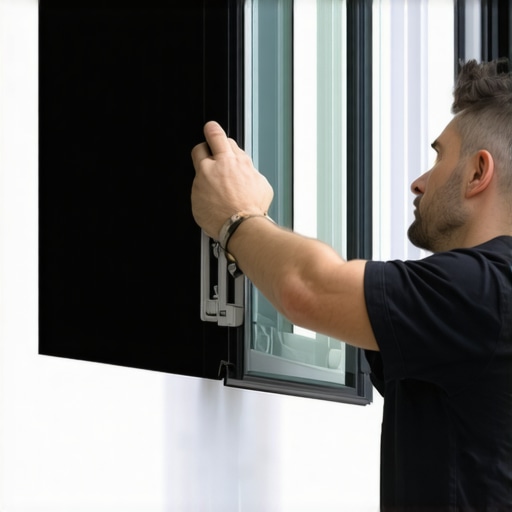
It was a quiet Saturday morning when I tried to open my living room window, only to be met with a stubborn, heavy glass pane that refused to budge. Instead of a smooth lift, I heard a concerning creak, and the whole thing felt like it might come crashing down at any second. That moment made me realize: I’ve ignored the hinges for too long. Heavy glass windows are no joke—if their hinges aren’t in tip-top shape, they can pose safety risks and become expensive problems.
Why Maintaining Heavy Glass Windows Is More Critical Than Ever
The year is 2026, and home improvement technology has advanced immensely. Yet, many homeowners still overlook the simple, crucial step of checking and fixing their window hinges regularly. Heavy glass windows, especially in older homes, require a delicate balance of weight support and hinge integrity. Neglecting these can lead to misalignment, leaks, or even shattered glass, which is not only costly but dangerous.
According to recent studies, roughly 40% of home accidents involve falling or broken glass, often caused by weak hinges or faulty supports. Regular hinge inspections can prevent these hazards and extend the lifespan of your windows. I learned this the hard way—early in my DIY journey, I made the mistake of assuming that a squeaky hinge was a minor issue. That misunderstanding nearly cost me a lot more (for reference, see [cost-effective window repair tips](https://seethruwindow.com/cost-effective-window-repair-repair-tips-for-lasting-trust)).
So, why is now the best time to tackle hinge repairs? The answer is simple: modern solutions are more affordable and effective than ever. Plus, with more homeowners embracing DIY repairs, you can save hundreds by fixing hinges yourself rather than replacing entire window units. If you’ve faced similar frustrations, you’re not alone. Let’s arm you with the top three fixes I’ve learned that can help you keep your heavy glass window functioning safely and smoothly.
Are you tired of struggling with stubborn hinges or worried about potential hazards? Keep reading because these straightforward fixes could save you a lot of headache—plus, they’re surprisingly easier than you might think.
Secure the Window Frame First
Begin by carefully removing any furniture or obstacles around the window to ensure a clear workspace. Use a sturdy ladder or step stool to reach high areas safely. Wear protective gloves and safety goggles—think of yourself as a glass-safe knight preparing for battle. Gently prop the window open with a wooden wedge or a sturdy stick, ensuring it won’t slam shut unexpectedly. If the window feels loose or wobbly, inspect the frame for cracks or damage and plan to address those separately for stability. Achieving a solid base is crucial before working on hinges.
Inspect and Remove Old Hinges
Closely examine the hinges—look for rust, corrosion, or bent parts. Use a screwdriver or drill to unscrew the hinges from both the window sash and the frame. As I did during my last project, I laid a towel underneath to catch any falling debris, preventing scratches or glass chips. Keep notes on hinge condition, and check if replacements are needed. If the hinges are just dirty, a quick clean (see this cleaner mix) can sometimes suffice.
Apply Lubricant and Test the Hinges
Before installing new hinges—or reusing cleaned ones—apply a lubricant like silicone spray or WD-40 to all moving parts. Think of these hinges as joints; you want them to move smoothly without squeaking or resistance. After lubrication, gently open and close the hinges to observe their motion. During my last repair, I noticed a slight jerk in the hinge movement, which I corrected by adding a bit more lubricant. Proper movement indicates good functioning and prevents future wear.
Install New Hinges Precisely
If hinges need replacing, align them carefully with existing screw holes. Use a drill with the right bit size for your screws. Tighten screws firmly but avoid over-tightening, which can strip the frames or damage the glass. For heavy glass windows, matching the original hinge weight support is essential—consider checking this guide for compatible options. During my last fix, ensuring the hinges were level with a spirit level prevented misalignment when closing the window.
Test the Window’s Functionality
Gradually open and close the window, observing its motion. It should move smoothly without resistance or grinding. If it feels tight, revisit the hinges for proper installation or lubrication. During my project, I tested the window multiple times, gradually increasing the opening angle, which helped me detect slight misalignments early. Remember, a properly maintained hinge can extend the window’s longevity and safety—especially important with large, glass-heavy units.
Regular Maintenance to Prevent Future Issues
Set a reminder to perform hinge inspections bi-annually. Keep hinges clean and lubricated, especially after harsh weather like rain or snow. Consider applying a thin coat of weatherproof spray if hinges are exposed to outdoor elements. Preventive care not only preserves the hardware but also safeguards your home’s safety and aesthetics. My own routine now includes a quick hinge check during seasonal cleaning, saving me from surprise repairs later.
While many homeowners believe that replacing a window or hiring a professional is the only way to ensure safety and efficiency, the truth is there are nuanced mistakes most people overlook. One widespread myth is that all cleaning solutions are equal; in reality, some professional-grade cleaners like the 5-window-cleaner mix outperform store-bought sprays significantly, eliminating streaks and spots even on stubborn glass. Relying solely on vinegar, for example, might seem economical, but it can leave mineral deposits that cause streaks over time, especially in hard water areas.
Another misconception is that frequent window replacement is always justified when glass shows fogging or minor cracks. However, many issues attributed to the glass itself often originate from compromised seals or frames. According to home improvement experts, inspecting and repairing sealants and hardware can extend your window’s life span before considering costly replacements. For comprehensive guidance, check the ‘fix or replace’ analysis.
*What about the complexity of window cleaning?* Many assume that stronger chemicals or aggressive scrubbing yield better results. This is a trap that can damage delicate glass surfaces or window frames. In fact, gentle techniques combined with effective cleaning agents like the pro-approved streak-free cleaner will give you better visual clarity and longer-lasting shine. Using abrasive pads or excessive pressure can cause scratches that reduce transparency over time.
Advanced homeowners should be aware of the hidden complexities, especially if dealing with large, heavy glass units. Proper hinge adjustment, seal integrity, and frame support are often neglected, leading to expensive repairs or dangerous failures. The latest innovations in window maintenance include sensors and automation that can assist in regular checkups and minor repairs, preventing small issues from escalating.
Understanding these nuances helps you avoid costly mistakes and enhances both safety and aesthetics. Remember, a small investment in proper techniques and knowledge can save you significant time and money long-term. Curious if you’ve fallen into any common trap? Let me know in the comments!
Tools That Keep Your Windows Working Like New
Maintaining heavy glass windows and their components requires precise tools that make the job safer and more effective. Personally, I swear by a quality cordless drill with a torque setting and various screwbit attachments because it allows for controlled removal and installation of hinges without over-tightening or stripping screws. An adjustable wrench is also invaluable when tackling stubborn bolts or nuts, especially if corrosion is present. I also rely on a digital level to ensure hinges and sashes are perfectly aligned, which is critical for long-term functionality.
For cleaning, I recommend investing in a high-quality squeegee with movable blades. Trends are leaning toward squeegee designs that conform to window shapes and allow for streak-free finishes—these save significant time and effort. Pair that with a microfiber cleaning cloth for detailing corners and hard-to-reach spots. When dealing with large panes, a movable extension pole coupled with a squeegee helps maintain safety and reach without risking damage or injury.
Don’t overlook safety equipment; sturdy gloves and eye protection are essential. In my experience, a small infrared thermometer helps monitor the temperature of hardware during lubricating sessions, ensuring that lubricants are working effectively without overheating or causing expansion issues in colder months.
How do I maintain my window hardware and seals over time?
To ensure your hardware stays in top shape, regular lubrication is key. Using a silicone spray—what I prefer—is effective because it repels dust and moisture, preventing rust and corrosion. Applying it biannually, especially before winter or after heavy rain, keeps hinges and locks functioning smoothly. For seal integrity, inspecting rubber gaskets and weatherstripping every six months helps identify wear early. Applying a specialized sealant or weatherproof spray can extend their lifespan and maintain energy efficiency. In the future, expect innovations like sensor-based maintenance alerts or automated hinge adjusters to become more widespread, making DIY maintenance even easier. A practical tip I recommend trying today is using a trusted window cleaner like the 5-window-cleaner mix for streak-free results while reducing chemical exposure.
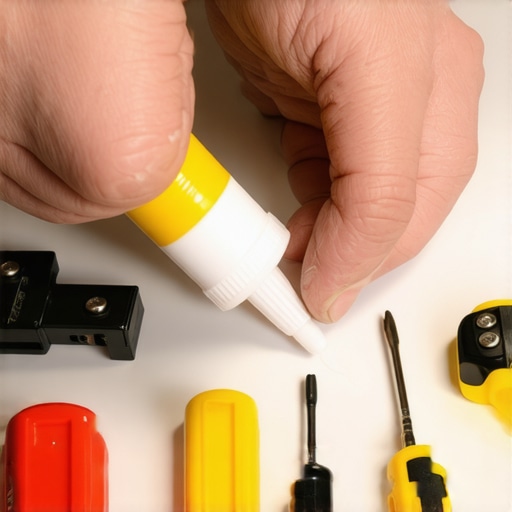
To keep your hardware and seals in excellent condition, regular inspections using a flashlight and mirror can reveal hidden issues before they escalate. Clean hardware with a gentle brush to remove dirt and grime, then apply lubricant to moving parts. Seal checks involve feeling around for drafts or water leaks—addressing these early prevents costly repairs later on.
Throughout my journey repairing and maintaining heavy glass windows, I’ve uncovered lessons that go beyond the standard guides. These insights have transformed my approach from cautious DIY attempts to confident, cost-effective solutions. If you’re looking to extend the life of your windows and ensure safety, embracing these deeper lessons will set you apart from the average homeowner.
The Hardest Lesson I Learned About Window Maintenance, Replacement, and Cleaning
- Patience is your best tool: Rushing into repairs without thorough inspection often leads to overlooking hidden issues like compromised seals or corroded hinges. Taking the time to understand each component saves time and money later.
- Quality matters more than quantity: Investing in high-quality replacement hinges and seals, even if slightly more expensive, can drastically improve the window’s performance and longevity. Trustworthy products, like those I found at trusted repair services, make DIY repairs more effective.
- Every crack or squeak signifies a story: Addressing minor issues immediately prevents minor inconveniences from escalating into costly repairs or safety hazards. This proactive mindset elevates your maintenance game.
- Cleaning isn’t just about appearance: Using the right cleaner, like the 5-window-cleaner mix, ensures streak-free clarity and prevents mineral deposits that can cause glass deterioration over time.
Where to Find Tools That Truly Make a Difference
Having the right toolkit is essential for successful heavy glass window care. I recommend a cordless drill with variable torque settings—control is key when working with fragile glass. A digital level helps ensure perfect hinge alignment, preventing future imbalances. For cleaning, a high-quality, adjustable squeegee paired with microfiber cloths makes maintenance both safer and more effective. Safety gear like gloves and eye protection is non-negotiable; always prioritize your safety to keep repairs smooth and stress-free. For reliable replacement parts or sealants, trusted sources like local repair experts can provide peace of mind and quality assurance.
Your Next Step Toward Safe and Stunning Windows
Remember, investing a little effort in understanding your heavy glass windows now can prevent major headaches in the future. With proper maintenance and timely repairs, you can enjoy clear, safe, and beautiful windows for years to come. Don’t wait for cracks or failures to motivate your action—start today and transform your home’s safety and aesthetic value.
Have you ever overlooked a small hinge issue that turned into a costly repair? Share your experiences below—I’d love to hear your stories and tips!