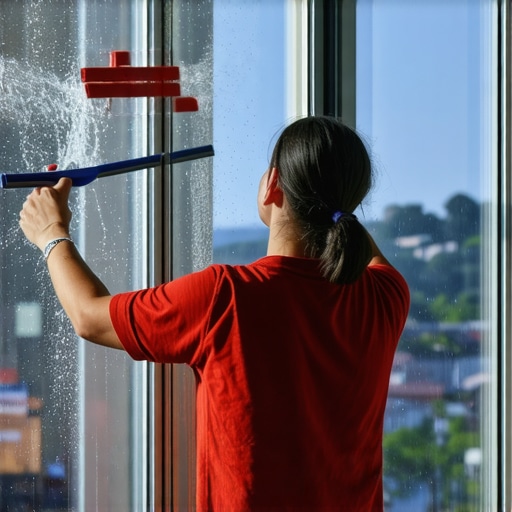
Walking past my living room window on a bright Saturday morning, I noticed streaks that looked like they belonged in a foggy mirror, not a pristine glass. Frustration bubbled up every time I thought I had cleaned them perfectly, only to find new smudges the next day. It was like a never-ending battle, and honestly, I was ready to give up on achieving that crystal-clear shine.
After countless tries—some successful, most not—I stumbled upon techniques that transformed my window cleaning routine from a streaky mess into a smooth, sparkling finish. And guess what? These aren’t just regular tips, but professional tricks that make all the difference. If your windows tend to look only half-clean after you’ve spent what feels like ages scrubbing, then you’re in the right place.
Today, I want to share with you the **7 Pro Tricks to Keep Your Window Cleaner Streak-Free in 2026**. Whether you’re tackling your home’s windows or those tricky hard-to-reach ones, these strategies will help you shed the frustration and enjoy clear, streak-free views.
Why Window Streaks Keep Haunting Us—and How to Fix Them
Let’s be honest: we all believe that a good spray of window cleaner and a quick wipe should do the trick. But in reality, many of us are unknowingly sabotaging our own efforts. I used to fall for common mistakes, like using too much cleaner or wiping in the wrong direction, which only made the streaks worse.
One early mistake I made was relying solely on cheap sprays, thinking that since it was inexpensive, it would work just as well. Turns out, high-quality, cost-effective solutions often deliver better results and are worth the initial investment. If you’re curious what truly works and how to optimize your cleaning routine, check out [these cost-effective tips for seamless repairs and upgrades](https://seethruwindow.com/cost-effective-window-cleaner-tips-for-seamless-repairs-upgrades).
The key is understanding what causes streaks in the first place. Residual cleaner, dirt, and even the type of cloth used can combine to leave behind a cloudy film instead of a shiny finish. Once you understand the root causes, applying the right routine becomes second nature.
To kick off, let’s dive into the first of the seven insider tricks that will help you master streak-free windows in 2026. But before we get into the nitty-gritty, I want to hear from you—have you ever faced streaky windows that just wouldn’t come clean? Drop your stories in the comments, and let’s troubleshoot together!
Ready to say goodbye to streaks? Let’s get started with the very first trick that changed my window game forever.
Prep the Surface Thoroughly
Start by removing loose dirt and dust from your windows using a brush or a dry microfiber cloth. Think of your window as a painter’s canvas—clearing debris ensures a smooth application of cleaning solutions. I remember a time when skipping this step led me to smear dirt across the glass, creating more mess than before. Once the surface is prepped, you’ll notice cleaner, more reflective results after polishing.
Choose the Right Cleaning Solution
Opt for a high-quality, streak-free window cleaner or craft your own using equal parts water and vinegar. Avoid over-spraying; excessive liquid can cause drips and streaks, much like trying to paint with too much water dilutes the color. I once used a generic spray, and it left a cloudy film. Switching to a trusted solution dramatically improved my results, demonstrating that investing in the right products makes a difference. For tips on selecting effective cleaners, visit cost-effective window cleaning tips.
Select the Perfect Cloth
Use a microfiber cloth or a squeegee with a soft, lint-free edge. Think of your cloth as a magician’s wand—getting right into the tiny corners and edges. I once used an old towel, which left fibers behind, making the glass look dull. Upgrading to a microfiber cloth brought a clear, streak-free shine, clearing away residual fibers and smudges.
Pro Tip: Use a Clean, Dry Cloth
After wiping, switch to a dry cloth to buff away any remaining streaks. This is akin to polishing jewelry—looking for that final gleam. During my first attempt, I was too eager and left streaks, but after switching to a dry cloth for the finishing touch, my windows looked professionally cleaned.
Master the Wiping Technique
Wipe in a consistent, zigzag motion from top to bottom, applying gentle pressure. Imagine mowing a lawn: steady, overlapping strokes ensure no patches are missed. I used to wipe randomly, which caused streaks and missed spots. Once I adopted the zigzag method, the even application of pressure reduced leftover cleaner and minimized streaking.
Utilize a Squeegee for Precision
For larger windows, use a squeegee, starting at the top corner, pulling in a straight line down, then moving side to side. Wipe the blade with a clean cloth after each swipe. This approach is like taking a surgical scalpel to precision. I once tried to clean large panes with cloth alone, but streaks and drips made the task frustrating. Incorporating a squeegee sped up the process and improved clarity. Learn more about trusted cleaning tools at trusted window solutions.
Perfect the Final Touch
Inspect your windows from different angles under natural light, then immediately touch up any streaks with a dry microfiber cloth. Think of this as the finishing nail—what makes it look polished. I once overlooked this step, leaving smudges that only became apparent outside in sunlight. The thorough check and a quick buff left my windows transparent and gleaming.
Go for Regular Maintenance and Upgrades
Set a schedule to clean your windows once a month. For stubborn spots or scratches, consider affordable repairs or replacements to maintain clarity. Remember, just like a car needs regular oil changes, your windows need consistent care for lasting beauty. If you’re contemplating repair or replacement, explore affordable repair strategies to decide what’s best for your home.
While many believe that replacing or repairing windows is straightforward—simply buy new units or slap on some sealant—the reality is far more intricate. A common myth is that all windows are the same, leading homeowners to overlook critical nuances that can affect durability and efficiency. For example, poorly chosen window types or materials can result in increased energy bills and frequent repairs, a mistake highlighted by experts in energy-efficient building science.
Why do most DIY window repairs fail to last?
Often, it’s due to neglecting delicate details like proper insulation placement or overlooking subtle frame damages. These oversights can cause leaks and drafts to persist despite extensive efforts, ultimately wasting time and money. In fact, a study published by the Building Science Corporation underscores how minor installation errors can significantly reduce a window’s lifespan and energy-saving potential.
Moreover, many homeowners underestimate the importance of routine maintenance. Regular inspections and timely repairs of small issues, such as cracked seals or loose hardware, can prolong window life and maintain optimal performance. For reliable guidance, browse trusted repair tips that focus on nuance-aware strategies. It’s tempting to think that replacing windows offers an immediate fix, but understanding the hidden complexities—like frame compatibility, material expansion in different climates, and proper sealing techniques—can make the difference between a long-lasting solution and ongoing frustration. Remember, rushing into replacement without these considerations can lead to subpar results, higher costs, and frequent repairs. So, before jumping into a window replacement project, take the time to understand these subtle but critical factors—your future self will thank you. Have you ever fallen into this trap? Let me know in the comments.
Invest in Quality Equipment for Lasting Results
When it comes to keeping your windows looking pristine over the years, the right tools make all the difference. I personally swear by a professional-grade squeegee with a rubber blade that can be easily replaced. It maintains its edge longer, providing a more consistent streak-free finish, especially on large panes. Additionally, a high-quality microfiber cloth—preferably lint-free and with tight weaves—ensures that residual dirt and streaks are minimized, saving you time and frustration during each cleaning session.
Implement a Routine Maintenance Schedule
Consistency is key. I recommend setting a monthly schedule to inspect and clean your tools. For tools like squeegees and microfiber cloths, rinse and dry them after each use to prevent mold or residual dirt buildup, which can compromise their effectiveness. Regular maintenance prolongs their lifespan and keeps your window care efficient. Also, periodically check your window seals and hardware to catch issues early—this reduces long-term repair costs and preserves your window’s performance.
Choose and Use Appropriate Cleaning Solutions
From my experience, DIY solutions with a mix of vinegar and water not only save money but also reduce chemical buildup on tools, extending their usability. Using diluted solutions prevents excessive residue that can cause streaking and damage your cleaning equipment over time. For stubborn spots or hard water stains, investing in a specialized cleaner recommended by experts ensures you don’t have to replace tools more often due to chemical degradation. To stay ahead, keep an eye on emerging eco-friendly cleaning formulas that promise longer tool life and better performance.
How Do I Maintain My Window Repair Supplies Over Time?
Proper storage is crucial. Store your repair and cleaning tools in a dry, cool place, away from direct sunlight. This prevents material degradation, especially of rubber seals and foam components. Periodically, inspect tools for wear and tear—replace blades on squeegees when they become nicked, or switch out worn microfiber cloths to maintain cleaning quality. Adopting these habits ensures your equipment remains reliable, enabling you to handle repairs and cleaning swiftly and effectively, saving you money and time. For more expert strategies, visit trusted window solutions.
As the industry shifts toward smarter and more durable materials, I predict a trend where integrated cleaning systems and remote maintenance monitoring will become standard. Imagine a window cleaning robot that alerts you when its brushes or scrapers need replacing—making long-term upkeep almost effortless. To stay ahead, adopting advanced tools now is wise; for instance, I recently started using a modular cleaning kit with interchangeable parts that can be serviced easily, ensuring consistent results without replacing entire tools. I highly recommend trying out a professional-grade squeegee with replaceable blades today, as a small upgrade can vastly improve your long-term maintenance routine. Proper care and strategic equipment choices are the foundation for enduring window clarity and minimal repair headaches.
The Hidden Lessons Behind Mastering Window Care
One of the most eye-opening lessons I learned was the importance of paying attention to detail—like how the tiniest fiber on your cloth can leave a streak. It made me realize that perfection isn’t achieved by rushing but through patience and precision. I also discovered that understanding my tools’ limitations often meant fewer frustrations and better results—a tip I wish I had embraced sooner. Another lightbulb moment was realizing that routine maintenance isn’t just a chore but a crucial step in prolonging your windows’ clarity and lifespan. Finally, I learned that continuous learning, like exploring new cleaning technologies or techniques, keeps your results fresh and effective, making window care a rewarding part of home upkeep.
Reading this post really resonated with me because I used to struggle with streaky windows that seemed impossible to get perfectly clear, especially in direct sunlight. It’s enlightening to learn how much the prep work can influence the final result—skipping that step really did cause me smudges and streaks. I also found the tip about using a microfiber cloth instead of old towels to be a game-changer; fibers from towels can be tricky! I personally added the regular maintenance routine to my schedule, and I notice a big difference in the overall clarity and ease of cleaning.
One challenge I still face is hard water stains in certain windows. Has anyone found effective ways to tackle these stubborn spots without damaging the glass or using harsh chemicals? I’d love to hear your solutions, especially if you have tried eco-friendly products that work well.