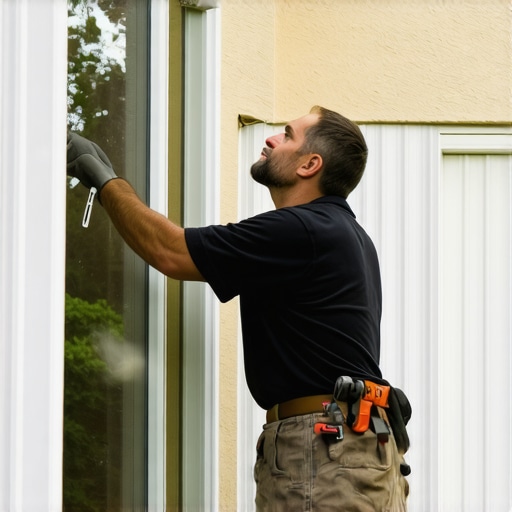
It happened again. I was sat in my living room on a chilly winter morning, looking out the window, only to be greeted by stubborn fog trapped between the panes. That moment of realization hit me—my old windows were more of a liability than a feature. Sound familiar? If you’ve faced similar frustrations, you’re not alone. Often, we overlook the importance of well-functioning windows until they become a glaring problem.
Why Ignoring Old Windows Can Cost You More Than You Think
Are You Losing Money or Comfort Because of Worn-Out Windows?
Many homeowners underestimate how much drafty or damaged windows can drain their energy bills or compromise their home’s comfort. I learned this the hard way early on. Instead of investing in affordable solutions, I tried to patch things up myself, which only delayed the inevitable. That mistake taught me the value of seeking trusted, cost-effective repair and replacement options. For guidance on saving both money and stress, check out [trusted window cleaning and repair strategies](https://seethruwindow.com/trusted-window-cleaning-repair-strategies-for-your-home-today).
Did you know that poorly sealed windows can make your home up to 25% less energy-efficient? According to the Department of Energy, replacing or repairing windows promptly not only preserves comfort but also significantly cuts energy costs. So, if your windows are acting up, it’s worth addressing the issue sooner rather than later.
But here’s the question: are all window repair and replacement solutions truly worth your investment? Or are some just quick fixes that won’t last?
Let’s dig into how you can tell the difference and choose the right approach for your home and budget. Plus, I’ll share some personal tips to get reliable results without the usual headaches.
Assess Your Window’s Condition Carefully
Start by inspecting your windows thoroughly. Check for gaps, cracks, condensation, or difficulty opening and closing. Use a flashlight to spot hidden damage along frames and sashes. This initial assessment will help determine whether a simple repair suffices or if full replacement is necessary. Remember, identifying the root problem saves you time and money in the long run. For a detailed assessment process, visit trusted repair strategies.
Decide Between Repair and Replacement
When Repairs Will Do
If your window has minor issues like worn weatherstripping or loose hardware, repairing it can be cost-effective. You might need to reseal the sash, replace broken glass, or tighten hardware. Think of it as fixing a leaky pipe rather than replacing the entire plumbing system. I remember fixing a loose sash latch with simple tools, which restored the window’s function instantly. For guidance, see repair and cleaning tips.
When Replacement Is Unavoidable
If the frame is rotted, the glass is severely cracked, or the window is warped, replacement is the best option. Using an analogy, it’s like replacing a broken door frame instead of trying to glue it back together. Consulting a professional can save you from costly mistakes. Reliable services are available through trusted window replacement specialists.
Gather the Right Tools and Materials
For repairs, gather a screwdriver, putty knife, weatherstripping, glazing points, and glass adhesive. For replacement, you’ll need a new window unit, measuring tape, level, and possibly a pry bar. Accurate measurements are critical; an inch off can cause gaps or difficulty sealing. Think of this as preparing your toolkit before a DIY home project—nothing more frustrating than realizing you’re missing a key tool midway. For precise measurement techniques, check measurements for lasting results.
Remove and Dispose of Old Window Components Carefully
Start by removing the interior or exterior stops that hold the glass or sash in place. Use a putty knife or screwdriver, being cautious to avoid damaging surrounding frames. If the glass is broken, wear gloves and safety glasses; dispose of shards safely. Think of this like carefully unwinding tangled wires—you need patience to do it safely and properly. A personal experience involved gently prying out the sash, which prevented accidental damage to the wall or wall paint. For safe removal tips, see safe removal techniques.
Perform Repairs or Install New Windows Methodically
For repairs, reseal or replace glass panes, then reassemble the sash as it was. For replacements, fit the new window into the existing opening, ensuring it’s level and plumb. Use shims if needed, similar to adjusting furniture to stand perfectly upright. Secure the window with screws, then reattach stops and weatherstripping. It’s essential to double-check everything aligns correctly. I recall shimming a window frame to ensure perfect fit, which took patience but paid off with a smooth operation. For detailed installation tips, visit trusted installation strategies.
Seal and Insulate to Maximize Energy Efficiency
Use high-quality weatherstripping around the edges and apply caulking along exterior joints to prevent drafts. Proper sealing is like wrapping your home in a thermal blanket—it traps heat during winter and keeps cool air inside in summer. A quick tip: press the weatherstripping firmly to ensure a tight seal. I experienced noticeable comfort improvements just by sealing a slight gap around my living room window. For sealing techniques, see sealing and insulation tips.
Final Checks and Maintenance Routine
Once installed, open and close the window several times to check smooth operation. Look for any drafts or uneven gaps. Regular cleaning and inspection prolong lifespan and performance. Think of this as tuning a musical instrument—it needs periodic adjustments to stay in harmony. I set a reminder to inspect my windows every season, which helped catch issues early. For maintenance routines, consult maintenance and cleaning tips.
While many homeowners believe they know everything about window maintenance, misconceptions abound that can lead to costly mistakes. One prevalent myth is that all window repairs are quick fixes—sum it up as a simple patch-up rather than understanding the nuanced differences between repair and replacement. In reality, assessing the extent of damage requires an expert eye, especially when dealing with issues like frame rot or warped sashes, which often seem minor but can compromise your home’s insulation if left untreated.
Are DIY Fixes Ever a Good Idea for Complex Window Problems
Many think that tackling repairs themselves saves money, but in my experience, improper fixes—such as incorrectly sealing a window or using incompatible glazing—can cause long-term damage and higher expenses down the line. For instance, sealing gaps with old or mismatched weatherstripping might seem effective initially, but if not applied correctly, it can trap moisture leading to frame deterioration. The key is knowing when to call in professionals who understand the subtleties of window systems. According to industry experts, like those at Trusted Window Repair Strategies, attempting complex repairs without proper knowledge often results in more harm than good. Another common misunderstanding relates to the lifespan of windows; many assume that new installations last forever. However, neglecting routine maintenance and timely repairs accelerates deterioration, reducing efficiency and increasing costs. Regular inspections and informed decisions about repairs or replacements are crucial—something I learned after years of trial and error. Furthermore, many overlook the importance of proper sealing after a repair or replacement. Even a small gap can allow drafts, energy loss, and moisture intrusion. Proper sealing techniques, including high-quality caulking and insulative glazing, are essential to maximize your investment. For advanced homeowners, understanding the signs of subtle issues like condensation between panes or slow operation can be telling indicators of underlying problems before they escalate. Engage with trusted sources or consult experts if you’re unsure—there’s a significant difference between a superficial fix and a lasting solution. Have you ever fallen into this trap? Let me know in the comments. For comprehensive strategies on avoiding these pitfalls, check out my guide on trusted window repair solutions. Remember, recognizing the nuanced signs and understanding the common myths saves you money and preserves your home’s comfort and aesthetics.
Tools I Recommend for Window Care
Investing in the right tools makes all the difference when maintaining or repairing windows. I personally rely on a high-quality cordless drill with variable speed; it speeds up tasks like removing old hardware and installing new hardware securely. A precision level is indispensable for ensuring your window frame is perfectly plumb, which directly impacts operation and sealing. For detailed measurements, I prefer a laser distance measurer, which provides quick and accurate readings—eliminating guesswork and ensuring a precise fit, especially when replacing entire units. Additionally, a good pair of contour-cut gloves enhances safety during removal of broken glass or handling sharp edges. I’ve found that these specific tools not only save me time but also improve the quality of each repair or replacement project. Looking ahead, the integration of smart measuring devices and automated sealing systems could further streamline window maintenance, making DIY projects even more accessible for homeowners.
How do I maintain my windows over time?
Regular maintenance starts with scheduled inspections—checking for signs of wear, like cracked seals or misalignment. Cleaning the glass with ammonia-free solutions keeps clarity high, while lubricating moving parts with silicone spray prevents sticking and ensures smooth operation. Sealing gaps with high-grade weatherstripping and reapplying caulk annually protects against drafts and moisture intrusion. Implementing these routines helps extend the lifespan of your windows significantly and maintains energy efficiency. For more advanced strategies, consulting trusted sources like trusted window repair strategies provides detailed guidance. Remember, consistency in maintenance is key to avoiding costly repairs down the line. If you haven’t already, consider trying a professional-grade sealant after your next repair—it’s a simple step that yields long-term benefits and helps keep your windows functioning flawlessly.
What I Didn’t Expect to Learn About Window Fixes
- One of the most surprising lessons was understanding the true complexity behind seemingly simple repairs. Initially, I thought sealing a gap was enough, but I realized that proper insulation and sealing techniques are crucial for long-term efficiency.
- Another insight was recognizing the importance of measuring accurately. Small mistakes can lead to significant gaps, energy loss, or the need for costly redo projects, emphasizing how attention to detail can save time and money.
- Lastly, I learned that patience and proper tools make a difference. Rushing through a repair often results in subpar results, whereas taking the time to do it right guarantees durability and satisfaction.
My Go-To Resources for Window Repair Wisdom
- Trusted Window Repair Strategies— I trust this source because they combine professional expertise with practical tips that I can apply myself, ensuring trustworthy results.
- Best Window Cleaning Tips and Repair Guides— Their comprehensive guides have helped me understand the nuances of cleaning and minor repairs, extending the lifespan of my windows.
- Cost-Effective Solutions in 2025— Staying updated with industry trends and affordable options has been invaluable for budgeting and planning my window projects.
Embrace the Challenge: Your Window to Success Awaits
Taking charge of window repair and replacement may seem daunting at first, but with the right knowledge and tools, you’ll unlock a new level of confidence in maintaining your home. Every effort you invest in understanding your windows not only improves their longevity but also enhances your comfort and energy savings. Remember, the most rewarding outcomes come from patience and a willingness to learn. So, why wait? Your journey toward a more efficient and beautiful home starts now.
Reading this post really resonated with me. I used to ignore small signs of window issues, thinking they were minor inconveniences, but I quickly learned how those tiny cracks and drafts can impact energy bills and home comfort over time. Since replacing my old windows with more energy-efficient ones, I’ve noticed a huge difference—not just in savings, but also in how cozy my living space feels during the winter. I agree that DIY repairs can be tempting, especially for minor issues like weatherstripping, but I’ve also found that knowing when to bring in a professional makes all the difference to ensure the job is done right and lasts. Has anyone tried using smart tools—like laser measurement devices—to improve accuracy before installing new windows? I’m considering investing in some to take my DIY game a step further. Would love to hear other tips or experiences with these tools or repair strategies.
This post really hit home for me, especially the part about assessing whether repairs or replacements are needed. I’ve had my fair share of DIY projects with windows, and I totally agree that accuracy is key—especially with measurements. I finally invested in a laser distance measurer, and it made a huge difference in ensuring my new window fit perfectly. Before that, I was often off by just an inch, which caused frustrating gaps and drafts. I think the main challenge for homeowners is knowing when a repair will suffice versus when a full replacement is unavoidable. Have others found certain signs that are better indicators for replacement? For example, I’ve read that condensation between panes almost always signals the need for a new window, but what about minor cracks or hardware issues? I’d love to hear how others have successfully diagnosed their window issues. Ultimately, I believe combining good tools with proper evaluation can save a lot of money and headache.