
Have you ever stood in front of your window, ready to replace it, only to realize that you might be jumping the gun? I was there not long ago. Looking at my old, drafty window, I was about to call in the pros when I had a sudden lightbulb moment. What if I could fix it myself — and save hundreds? That’s when I discovered a simple but often overlooked truth: not every window needs replacement. Sometimes, a little inspection can go a long way.
Stop, Don’t Replace That Window Yet!
Before you reach for your wallet or schedule a costly replacement, there’s a crucial step you might be missing — checking the three key parts of your window. Trust me, I’ve made the mistake of assuming a window was beyond repair early in my DIY journey. The cost of unnecessary replacement hit me hard, and I learned the hard way that a little investigation can save you a lot of money. I want to help you avoid the same pitfalls. Today, I’ll walk you through the essential parts you need to evaluate — because, believe me, it’s worth it.
Is Window Replacement Overhyped?
Many folks, including myself at first, think that if a window looks old or leaks, it’s time to replace it — but that’s not always the case. I used to believe I needed new windows every time my insides fogged up, until I learned that issues often stem from just a few components. And, according to experts, a proper checkup can reveal whether you really need a full replacement or just some repairs. This approach can extend the lifespan of your existing windows significantly and save money in the long run. Curious about how to do a thorough check? Stay tuned!
Inspect the Window Frame Carefully
Start your assessment by examining the window frame itself. Remove any curtains or blinds to get a clear view. Look for signs of rot, cracks, or warping. I once encountered a window with a visibly cracked wood frame, which I initially thought meant replacement was inevitable. However, after sanding and applying wood filler, the frame stabilized and prolonged its life. Think of the frame as the backbone; if it’s sturdy, the entire window remains salvageable. For detailed techniques, check out trusted repair tips.
Evaluate the Glass Thoroughly
Next, inspect the glass pane—look for chips, cracks, or fogging. Small chips can often be sealed or covered with a clear resin, while fogging indicates seal failure. I had a similar case where a foggy double-pane was just a matter of replacing the spacer inside, not the entire window. Use a flashlight to check for leaks or moisture between panes. If the glass is overall intact, cleaning and weatherproofing might suffice. For best cleaning practices, see window cleaning tips.
Test the Moving Parts
Finally, examine the hardware—handles, locks, hinges. Open and close the window multiple times. If hinges are squeaky or handles are loose, lubricate or tighten them with basic tools. I once struggled to open a stubborn sash, but after oiling the hinges, it glided smoothly—saving me from replacement. Use a silicone-based lubricant for durability. If you find rust or significant wear, consider replacing only the hardware instead of the entire unit. For guidance on parts replacement, visit trusted pros for parts replacement.
Perform a Weather Seal Check
Run your hand around the edges to feel for drafts or gaps. Sealants and weatherstripping deteriorate over time, leading to leaks or drafts. I replaced old weatherstripping on my window, which immediately improved insulation. Use a candle or a lighted match near the edges—if the flame flickers, air is seeping through. Replacing weatherstripping is straightforward and cost-effective. For detailed sealing methods, see sealing tips. When completing this check, you get a comprehensive picture of whether your window truly needs replacing or just some repairs.
While many assume that replacing a window is always the best solution for issues like fogging or drafts, this is a common misconception. In my experience, understanding the nuanced differences between repair and replacement can save homeowners thousands and extend the lifespan of existing windows. One widespread myth is that all foggy double-pane windows require full replacement, but often, a simple spacer repair or resealing can restore clarity and insulation—highlighting the importance of expert evaluation.
Is DIY Repairs Always Enough, or Could They Mask Bigger Problems?
It’s tempting to think that sealing or cleaning a window solves the problem entirely, but this can sometimes conceal underlying issues like frame rot or hardware deterioration. Relying solely on surface fixes without addressing structural concerns may lead to more costly repairs down the line. Industry experts emphasize that a comprehensive assessment often reveals that what appears to be a simple fix could be only part of a larger puzzle. Avoid the trap of quick fixes; instead, consider consulting trusted professionals for a detailed diagnosis. You can find reliable guidance and affordable solutions by exploring trusted repair tips. Additionally, many overlook the importance of a proper weather seal check, which, if neglected, can result in persistent drafts regardless of other repairs. “Many homeowners underestimate how critical sealing is to energy efficiency,” says a leading insulation expert. Assembling these insights can help you avoid unnecessary replacements and ensure your windows serve you well for years to come. Don’t fall into the trap of thinking that visible damage always warrants costlier solutions. Instead, learn to distinguish between minor issues and those requiring full window replacement by conducting thorough inspections or seeking professional advice. For comprehensive help, browse trusted repair services near you to explore whether a repair could be the smarter choice. Remember, a nuanced understanding of your window’s condition is key to making cost-effective and lasting decisions. Keep questioning assumptions and prioritize expert evaluation for the best results. Have you ever fallen into this trap? Let me know in the comments.
Stay on Top of Your Window Maintenance
Keeping your windows functioning smoothly requires the right tools and regular upkeep. I personally swear by a few specialized items that make inspection and repairs much more effective. First, a high-quality digital multimeter helps me quickly identify electrical issues with window hardware, ensuring locks and sensors work reliably. For hardware like hinges and handles, a precision screwdriver set is indispensable; it allows me to tighten or replace components without damaging these delicate parts. Additionally, a multi-purpose silicone-based lubricant keeps moving parts slick and prevents squeaks or rust—I’ve found it critical for hinges and locks that get frequent use.
Beyond physical tools, software like trusted repair guides can offer step-by-step instructions tailored to specific issues. Using these resources, I can diagnose problems accurately and decide whether a simple fix suffices or if professional intervention is necessary. The future of window maintenance is leaning toward smart sensors that monitor draft levels and hardware integrity, so staying updated with tech trends now can save time and money later.
How do I maintain my windows over time?
Consistent upkeep involves scheduling routine inspections, at least twice a year. Check hinges, seals, and locks for wear, and lubricate moving parts regularly with quality lubricants. Clean the glass with appropriate solutions—avoiding abrasive cleaners that can scratch or weaken the surface—and replace deteriorating weatherstripping before drafts become noticeable. For more durable results, consider investing in professional repair services when needed, rather than delaying repairs, which can exacerbate issues over time.
In my experience, adopting a proactive approach, using the right tools, and staying informed about emerging maintenance techniques ensure your windows remain reliable and extend their lifespan. Looking ahead, advancements in smart window technologies might automate many maintenance tasks, making it easier than ever to keep your home insulated and secure. Don’t hesitate to try a method like applying a high-quality lubricant on hinges or sealing leaks early; these small steps make a big difference in long-term performance.
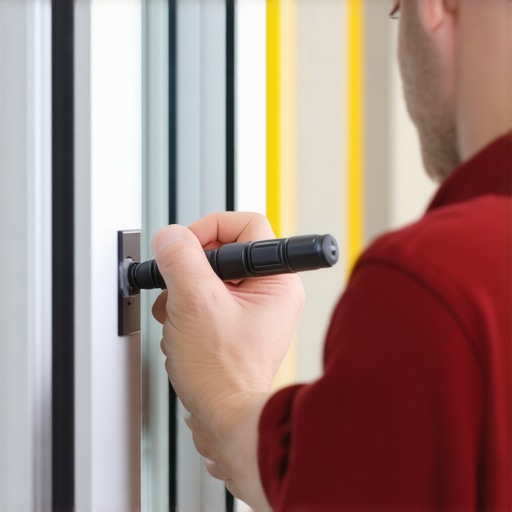
Why I Discovered Less Is More with Window Fixes
One of the biggest lessons I learned is that appearances can be deceiving—what looks like a total replacement opportunity often hides simple fixes. I once replaced a window because I thought fogging meant complete seal failure, only to realize a seal resealing was enough. It taught me to question assumptions and seek expert opinions before committing to costly decisions.
Another insight was how much the frame’s integrity influences a window’s lifespan. Minor rot or warping can often be repaired or reinforced rather than replaced entirely. This realization shifted my approach from replacing to restoring, saving significant money and extending the window’s service life.
Finally, I learned that regular maintenance is a game-changer. Simple tasks like lubricating hinges or replacing weatherstripping annually can prevent major issues. Small investments of time and tools yield big rewards in window longevity and efficiency.
Tools and Resources That Changed My Game
Over time, I found that having the right toolkit makes all the difference. A good digital multimeter helps diagnose electrical issues in hardware, while a precision screwdriver set makes adjusting fittings straightforward. Using trusted repair guides ensures I don’t miss critical steps, especially for tricky jobs like resealing or hardware replacement.
Books like “The Complete Guide to Window Repairs” have broadened my understanding of repair techniques, helping me approach each project with confidence. And for practical assistance, I rely on local trusted professionals for complex issues beyond my skill set.
Take Action and Secure Your Home’s Future
Remember, every window holds potential for repair and enhancement. Your proactive efforts in inspecting, fixing, and maintaining your windows ensure enhanced energy efficiency, safety, and comfort. The future of window maintenance is shifting towards smarter, easier solutions—stay informed and ready to adopt innovations that can simplify your DIY journey or guide your trusted professional decisions.
Are you prepared to challenge the notion that all old or damaged windows must be replaced? Share your experiences or questions below—I’d love to hear your story and help you make smart, cost-effective decisions on your window journey.
I really appreciated the emphasis on inspecting a window thoroughly before deciding to replace it. I’ve faced similar situations where I initially thought the window was beyond repair just because of fogging or a bit of rot. However, a closer look often revealed that simple fixes, like applying sealant or replacing worn hardware, could extend the window’s life considerably. I especially agree with checking the weatherstripping—it’s one of those things that’s so easy to overlook but makes a huge difference in insulation and comfort. Has anyone found that regular maintenance actually reduces the need for more costly repairs down the line? I’ve started scheduling bi-annual checkups and noticed my windows performing better and lasting longer. It seems like a small effort that pays off when it comes to home energy efficiency and saving money.
This post really hits the point home that a thorough inspection of your window’s components can save a lot of money and hassle. I’ve learned from my own experience that many issues overlooking hardware or seals are easily fixable with some simple maintenance instead of immediate replacement. For example, I once replaced a perfectly functional window frame because I didn’t realize a bit of warped wood could be repaired with epoxy and reinforcement. It made me wonder how many homeowners just assume replacement is the only solution when in many cases, targeted repairs could extend the window’s lifespan significantly.
Also, I’m curious—has anyone here used smart sensors or simple DIY tools like moisture meters to monitor their window health? I’ve been considering integrating some DIY tech to catch issues early before they become problematic. What’s been your experience with proactive window maintenance, and do you think it’s worth the initial effort and expense? Overall, great reminder to always evaluate thoroughly before costly decisions.