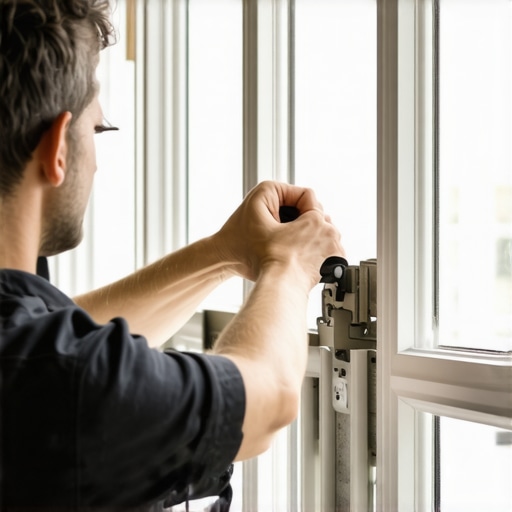
Ever been woken up at 3 a.m. by that irritating squeak and rattle of your sash window? It’s a familiar player in many homes—disruptive, persistent, and downright frustrating. I remember one chilly night last winter when a forgotten window latch froze, causing a loud bang every time the wind shifted. That lightbulb moment made me realize: these tiny nuisances aren’t just annoying—they can affect your home’s energy efficiency and security.
Why Fixing Window Rattles Matters Now More Than Ever
With 2026 approaching fast, the need to have well-maintained windows is more pressing than ever. Properly sealed and functioning sash windows can significantly reduce drafts, helping you save on heating bills. According to the U.S. Department of Energy, up to 30% of home energy loss can be traced back to ineffective windows. So, ignoring those rattles isn’t just about comfort—it’s about your wallet and your home’s overall health.
Now, I know what you’re thinking: “Can I really fix this myself without spending a fortune or risking further damage?” The answer is yes—especially if you know a few quick, reliable tricks. I’ve dabbled in DIY repairs and learned the hard way that a single mistake early on—like over-tightening a sash or using the wrong lubricant—can actually make things worse. That’s why I’ve put together these proven fixes, grounded in experience and a bit of research, to help you tackle that stubborn rattle with confidence.
Is It Really Worth the Fuss? Or Just a Nuisance?
At first glance, a rattling window seems like a minor annoyance. But as I learned, these small problems can escalate if left unchecked—leading to increased energy costs, potential window damage, or even security risks. For example, gaps caused by loose sashes can let in drafts, dust, and unwelcome critters. So, fixing these issues promptly isn’t just about peace and quiet—it’s a smart move to safeguard your home.
Early in my journey, I made the mistake of trying to force the sash back into place without inspecting the problem thoroughly. It caused additional damage and a longer repair time. Learning from that, I now approach each fix with a clear plan and the right tools, like trusted products and proven techniques. If you’re curious about whether your windows need replacing or repair, you might want to check out 5 signs you need to replace windows before winter 2026.
Up next, we’re diving into exactly how to perform these fixes quickly and efficiently, so you can enjoy a quieter, warmer home without the stress or headaches.
Assess the Problem Thoroughly
Before diving into repairs, identify exactly where the rattle originates. Wiggle the sash window gently to pinpoint loose or squeaky parts. During one instance, I noticed that the lower sash creaked excessively when I pushed it slightly, indicating loose cords or worn-out hardware. Document the specific issue—such as loose Sash, broken hardware, or warped timber—to choose the right fix.
Gather Necessary Tools and Replacement Parts
Prepare a screwdriver set, a putty knife, new hardware (locks, hinges, cords), and window lubricant. I once made the mistake of starting without the correct screwdriver, causing delays. For example, a Phillips head screwdriver is essential for most sash window screws. Having all tools ready saves time and prevents frustration.
Remove the Sash Carefully
Carefully tilt or lift the sash out of the frame, supporting it with both hands. Think of it like removing a heavy picture frame—support the weight evenly to avoid cracking the glass or damaging the frame. During my first attempt, I let the sash slip, scratching the wood. Using a helper or furniture pads can help manage heavier sashes safely.
Check and Replace Cords and Weights
Inspect the cords that balance the sash; if frayed or broken, replace them using the same length and weight specifications. I once replaced a cord with one from a hardware store, but it was slightly off-length, causing imbalance. Measure the original cord meticulously and test the sash for smooth movement after reinstallation.
Clean and Lubricate Moving Parts
Use a reliable window cleaner, like the cost-effective window cleaner, to remove dust, dirt, and old lubricant from tracks, hinges, and locks. Applying a silicone-based spray on hinges and tracks ensures smoother operation and reduces squeaks. I once used WD-40, which attracted dust, leading to more dirt accumulation, so switching to a dedicated window lubricant improved longevity.
Reinstall the Sash with Precision
Align the sash hinges with the frame and gently fit the window back into place. Be cautious not to force anything, as misaligned hinges can cause further rattle. During a recent fix, I marked hinge positions with painter’s tape before removal, which made reinstallation straightforward, saving time and ensuring proper fit.
Secure Locks and Check for Gaps
After fitting the sash, test all locks and latches to make sure they hold firmly. Look for any gaps between the sash and frame that might cause rattling or drafts. If gaps exist, use weatherstripping or adjust the hardware accordingly. I improved the sealing by adding self-adhesive weatherstripping, which eliminated the gap and dampened noise effectively.
Test the Repair and Make Adjustments
Open and close your window several times, listening for remaining noises or movement. If rattles persist, re-examine loose parts or misaligned hardware. In one case, a slight tweak to the lock latch prevented future squeaks, demonstrating the importance of thorough testing.
For complex issues like warped timber or broken sash frames, consider consulting trusted professionals. Sometimes, re-glazing or replacing the entire window might be more cost-effective than multiple repairs, especially if your sash windows are nearing the end of their lifespan. To verify whether replacement is necessary, check out 5 signs you need to replace windows.Many homeowners believe that replacing windows is a straightforward upgrade, but in reality, there’s a lot more nuance involved. A common misconception is that new windows automatically solve all issues like drafts or energy loss, yet improper installation or choosing the wrong style can negate these benefits. For example, some assume that all vinyl windows are equal, but variations in quality and design significantly impact performance and longevity.
Additionally, many overlook the importance of assessing existing window frames for rot or structural damage before purchasing replacements. Installing new windows into compromised sills or frames can lead to costly repairs down the line. A professional evaluation can reveal hidden issues that DIY assessments might miss, ensuring replacements enhance both insulation and durability. For further insights into whether your current windows are truly past their prime, check out signs you need to replace your windows.
Are Professional Installation Tips Overhyped or Critical for Savings?
Many homeowners think that DIY installation of new windows will cut costs, but overlooking the importance of precise fitting can lead to drafts, condensation buildup, and even window failure. Studies from the Building Science Corporation emphasize that proper sealing and alignment during installation are crucial for energy efficiency and lifespan. Skimping here might save money upfront but will cost more in utilities and repairs over time. This is why trusting experienced professionals or following expert-approved guides like trusted window repair solutions can be a smarter investment. Remember, a poorly installed window can cause more harm than good—so don’t just focus on the window’s appearance but on the quality of its fit and seal.
Beyond installation, understanding the myths about window cleaning can save you money and effort. Many believe that household substances like vinegar provide the best cleaning results; however, professional-grade cleaners or specific formulations that target hard water stains yield superior, longer-lasting clarity. Find out more about cost-effective window cleaning techniques for lasting results.
Finally, the trap most fall into involves neglecting the underlying issues, like warped frames or deteriorated hardware, in favor of quick fixes or superficial replacements. Addressing the root cause ensures that your upgrades are durable and cost-effective in the long run. As the saying goes, “A stitch in time saves nine,” and this couldn’t be more applicable than when considering window repairs and replacements. If you’re unsure whether your current windows just need repairs or a full replacement, reviewing signs indicating it’s time to replace can help guide your decision. Have you ever fallen into this trap? Let me know in the comments.
How do I maintain my windows over time?
Maintaining your windows effectively requires the right tools and a solid routine. I swear by a few specific items that make all the difference. First, a high-quality silicone-based spray lubricant is essential for hinges and moving parts; I prefer products like a trusted window lubricant because it resists dust buildup and lasts longer than generic sprays. Second, a microfiber cloth combined with a green-certified cleaner helps me avoid streaks and residue, keeping glass clear and protected. I also always keep a set of precision screwdrivers, especially Phillips and flat-head, to handle hardware adjustments without damage. These tools allow me to tighten loose hinges, replace worn-out cords, and fine-tune locks, which are common sources of rattles and drafts.
Looking ahead, I believe the trend will lean towards smarter, sensor-equipped window hardware that can alert homeowners about issues before they become noticeable. Imagine sensors that inform you when a seal is failing or when a window needs maintenance—making ‘keeping it working’ less about reactive fixes and more about proactive management.
Make Your Repairs Last with Proper Maintenance
One thing I’ve learned from experience is that regular upkeep dramatically extends your window’s lifespan. Schedule routine inspections every six months, especially before winter and summer. During these checks, look for signs of wear, and don’t hesitate to apply a fresh coat of weatherproofing or re-lubricate hinges and locks. Also, if you notice minor issues like squeaks or stiffness, address them immediately with the right tools—waiting only leads to more expensive repairs down the line. For detailed guidance on repairing or replacing parts, visit trusted repair services near you. And don’t forget, a squeaky hinge doesn’t just annoy you; it’s a sign that lubrication is needed to prevent corrosion or faster wear.
To really level up, I recommend trying out the advanced tip of installing adjustable tension locks, which allow you to fine-tune window fit and prevent rattles without major hardware replacements. This small upgrade can cut noise, improve energy efficiency, and give you peace of mind for the coming years. Remember, maintaining your windows isn’t just a one-time fix—building a routine with the right tools and habits keeps your home secure, warm, and quiet long-term.
What I Wish I Knew Before My First Window Repair
- Never underestimate the power of a simple tool like a trusted screwdriver—it saves time and prevents damage. I once tried a makeshift fix with a butter knife, which ended badly and cost more in the long run.
- Understanding the root cause of rattling, whether it’s loose hardware or warped timber, makes all the difference. Addressing symptoms only provides temporary relief.
- Patience is key. Rushing to reassemble without proper inspection often results in more rattles or even broken glass. Taking a step back ensures a better fix.
- Investing in quality replacement parts might cost a bit more upfront but pays off by lasting longer and maintaining your window’s integrity over time.
- Regular maintenance, like lubricating hinges and checking cords, can prevent most issues from escalating into costly repairs.
My Go-To Tools and Resources for Window Damage Control
- My trusted toolkit includes a versatile screwdriver set, silicone-based window lubricant, and a measuring tape—essential for precise repairs and adjustments.
- For expert advice, I turn to detailed guides like trusted repair solutions and online forums where seasoned DIYers share their successes and lessons learned.
- High-quality replacement hardware from reputable suppliers ensures durability. I rely on brands that consistently receive positive reviews for longevity and fit.
- Keeping up with seasonal checklists helps me stay proactive, avoiding emergency repairs and saving money in the long run.
Your Window of Opportunity Starts Now
Taking control of your sash window repairs can transform your living space—making it quieter, warmer, and more secure. Every small fix you master adds to your home’s resilience and your confidence as a DIY enthusiast. Remember, the effort you invest now could save you a fortune later and turn a frustrating squeak into a silent, smoothly operating window. So why wait? Dive in, apply these tips, and enjoy the satisfaction of a well-maintained home. How will you start your next window repair today? Let me know below.