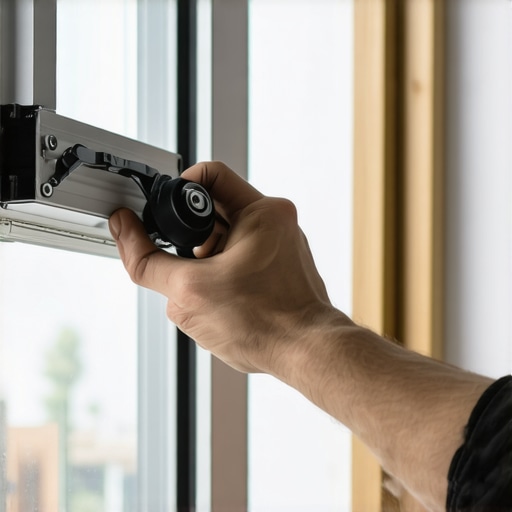
The Anatomy of a Failing Sash
I have spent over twenty-five years looking at the world through rough openings. In that time, I have seen every imaginable failure of the fenestration system. Most homeowners assume that when a window stops sliding, it is a death sentence for the unit. They assume it is time to replace windows entirely. However, a window is a complex machine, and like any machine, it requires calibration. Before you call a salesman, you need to understand why that sash is fighting you. It usually comes down to the friction coefficient within the jamb pocket or a misalignment of the balance system. Most modern ‘professionals’ will tell you the seals are shot and the frame is racked, but if the wood is solid, the mechanics are almost always salvageable.
The Sales Pitch Takedown: A Reality Check
I remember sitting across from a homeowner in a drafty 1920s Tudor. She had a quote from a high-pressure replacement firm for forty thousand dollars. The salesman had used a heat lamp to show her how ‘hot’ her glass was, a classic trick to sell triple-pane units with a return on investment that would take a century to realize. I looked at her stuck double-hung windows and saw they were simply paint-locked and the sash cords had snapped. For the cost of some cotton rope and a block of paraffin wax, those windows could outlast any vinyl replacement on the market. It was a clear case of someone trying to sell a new engine when all the car needed was an oil change. This is the reality of the industry in 2026: most people want to sell you a product, not a solution.
“Installation is just as critical as the window performance itself. A high-performance window installed poorly will fail.” AAMA Installation Masters Guide
The Science of the Stuck Sash
When we talk about window repair, we are dealing with physics. In northern climates like Chicago or Minneapolis, the primary enemy is the dew point and hygroscopic expansion. Wood is a cellulose-based material that breathes. When the interior humidity hits 50 percent and the exterior temperature is below freezing, that wood absorbs moisture. The sash swells, increasing the pressure against the stop beads and the parting strip. This is why your window might move in July but remains frozen in January. To fix this, you don’t need a sledgehammer; you need to manage the tolerances. The rough opening is rarely the problem; it is the interaction between the sash and the track. When you apply a dry lubricant like PTFE or even a simple $3 bar of paraffin wax to the tracks, you are reducing the force required to overcome static friction. This allows the counterweight system, whether it is a lead weight in a pocket or a modern spring balance, to do its job without straining.
The $3 Pulley Trick
The secret that pros use isn’t found in a catalog. It’s about the pulley. Over decades, the axle of the sash pulley accumulates dust, old paint, and congealed oils. This creates a mechanical drag that makes the window feel three times heavier than it actually is. The trick is simple: clean the pulley axle with a needle-nose brush and apply a single drop of high-viscosity machine oil or a blast of dry graphite. Once the pulley spins freely, you address the sash tracks. Take a block of wax and rub it vigorously into the wood where the sash slides. This creates a hydrophobic barrier that prevents the wood from swelling while providing a slick surface. For less than $3 in materials, you have restored the mechanical advantage of the original design. This is far more effective than any window cleaner could ever be for restoring function.
Thermal Dynamics and the U-Factor
In cold climates, we obsess over the U-factor. A single-pane wood sash has a U-factor of approximately 1.1, which is essentially a thermal hole in your wall. However, when you maintain the operable functionality of that sash and pair it with a high-quality storm window, that U-factor drops to around 0.50. This rivals many mid-grade double-pane replacements. The key is the air gap. By repairing the sash rather than replacing it, you preserve the structural integrity of the house’s original envelope. You also avoid the trap of ‘caulk-and-walk’ installers who ignore the sill pan and flashing tape. If you do choose to replace windows, you must ensure the new unit has a warm-edge spacer. These spacers keep the glazing bead temperature higher, which prevents the condensation that leads to mold on your muntins.
“Standard Practice for Installation of Exterior Windows, Doors and Skylights requires a continuous air barrier and proper water shedding techniques to ensure longevity.” ASTM E2112
Maintaining the Envelope
Window repair is an art of water management. Every window has a weep hole or a sloped sill designed to move water away from the interior. When these are clogged with debris or paint, water backs up and rots the sub-sill. As a master glazier, I always check the drip cap first. If water is getting behind the casing, no amount of window repair on the sash will save the wall. You must think like a raindrop. If you are standing on the glass, where do you go? You should go down to the sill, over the edge, and away from the building. If you see water pooling, your window is failing its primary job. Cleaning your windows with a professional window cleaner is a good time to inspect these drainage paths. Look for cracks in the glazing bead and ensure the shim hasn’t shifted, which could rack the frame and cause the sash to bind. Mechanical maintenance is the only way to avoid the massive expense of a full frame tear-out. In the end, the best window is the one that is properly maintained, regardless of its age or the claims of a salesman.