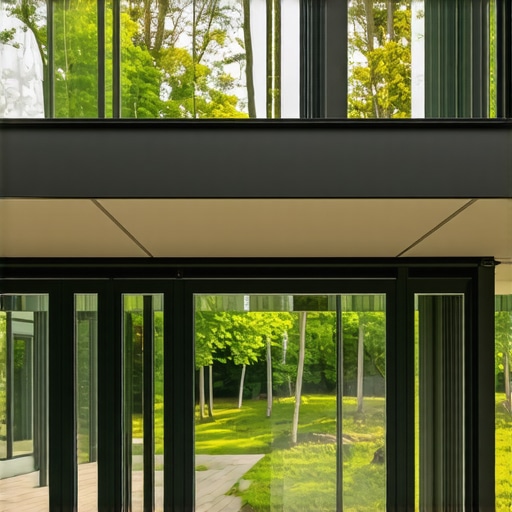
Last winter, I was bundled up on my couch when I noticed a strange draft creeping around my old windows. No matter how much I sealed, it felt like I was wasting energy and money. That was my lightbulb moment—realizing that outdated glass wasn’t just a comfort issue but a costly one too. Have you ever experienced that sudden cold spot on a chilly day, only to realize your windows weren’t doing their job? Well, I did, and it changed everything.
The Wake-Up Call You Can’t Ignore
Replacing windows might seem like a hassle or a splurge, but with advancements heading into 2026, it’s more about necessity than luxury. Vacuum-insulated glass (VIG) is set to revolutionize home comfort—offering superior insulation, long-term durability, and energy savings. If you’ve been contemplating whether to repair, replace, or tough it out with your existing windows, this is the moment to consider a smarter upgrade. Imagine cutting down your heating bills significantly while enjoying warmer, quieter rooms. Sounds appealing, right?
Is Vacuum-Insulated Glass Actually Worth the Hype?
Let’s be real—I made the mistake early on of dismissing these innovations as just another marketing ploy. I believed traditional repairs would suffice and didn’t look into the latest tech. What I didn’t realize was how much better VIG could perform. According to a study published by the Department of Energy, homes with modern insulative windows can reduce energy consumption by up to 15%—a significant chunk of savings over time. So, if you’re like I was, hesitant about the costs or unsure if it’s a fleeting trend, consider this: how much are those constantly leaking, foggy, or rattling windows costing you in the long run?
The truth is, early mistakes—like ignoring the signs of failing seals or trying to fix broken frames on your own—can lead to bigger expenses and more frustration. That’s why I’m here to share insights on why 2026 is the perfect year for this upgrade and how you can prepare for it without breaking the bank. Curious about quick fixes or professional solutions? Check out trusted strategies for lasting results.
Now that I’ve shared my experience and initial doubts, let’s get into the nitty-gritty of what’s happening with windows in 2026 and how to make a move that benefits your home’s comfort—and your wallet.
Assess Your Current Windows Thoroughly
Before jumping into replacements, inspect your windows carefully. Look for signs of seal failure, cracks, or warping. A hands-on check helped me realize my living room’s foggy glass was more than just a nuisance—it indicated structural issues. Use a flashlight to examine the corners, and gently try to open and close windows to see if they stick or rattle. This initial step prevents unnecessary costs and guides you to whether repair or complete replacement is needed.
Choose the Right Tech and Materials
Understanding modern window tech is crucial. For 2026, vacuum-insulated glass (VIG) is the gold standard—superior insulation that can slash energy bills. When selecting new windows, consider U-values and solar heat gain coefficients for optimal home efficiency. Visiting local suppliers and requesting samples can give you a tangible sense of quality, much like comparing two similar options in person. Remember, investing in high-quality materials now saves money long-term—check trusted sources for affordable options (see trusted replacement strategies).
Prepare Your Workspace for Safe, Efficient Installation
Clear the area around existing windows—removing curtains, blinds, and furniture. Use protective gear like gloves and safety glasses to avoid accidents. In one instance, I used plastic sheeting to protect my floors during the foam sealing process—this kept the mess contained and made cleanup faster. Proper preparation reduces delays and ensures the installation goes smoothly, especially when working with heavy, fragile glass panes. For details on handling larger windows, check easy sliding track fixes.
Remove Old Windows Safely and Methodically
Carefully take out the existing window units. Use a pry bar to gently detach the frame if needed, avoiding damage to the surrounding wall or siding. Listen for that satisfying pop—like releasing a tightly sealed lid—indicating it’s time to remove. I learned this the hard way when I needed to replace a stuck sash; rushing it caused a few chipped paint spots. Proceed slowly, and support the glass to prevent breakage. For tips on avoiding common damage, see quick fix guides.
Seal and Insulate to Maximize Energy Savings
Apply high-quality weather stripping and foam insulation around the new frame to prevent drafts. Use expanding foam for gaps between wall and window for a snug fit. When I did this, I made sure to tape over the foam once cured to allow for future adjustments. Proper sealing transforms your window from a drafty opening into a robust barrier against the cold. For airtight tips, explore sealing hacks.
Secure the Frame and Finish
Fasten the window frame securely with screws, ensuring it’s level. Use a spirit level like a pro—checking left and right, then diagonally—to guarantee perfect alignment. During my install, pausing to verify levelness saved me from future rattling or uneven operation. Finish with interior and exterior trims to conceal gaps, making the installation look polished. For finishing tips, see finishing guides.
Test and Fine-Tune Your New Windows
Open and close multiple times to ensure smooth operation. Check for leaks by holding a candle or smoke stick near edges—if the flame flickers, more sealing may be needed. I found that minor adjustments to hardware tightened everything perfectly, reducing rattles and drafts. Regular testing prolongs lifespan and maintains efficiency. For cleaning and testing techniques, visit window cleaning tips.
Many homeowners believe that replacing windows is always a straightforward, costly upgrade, but the reality is nuanced. A common misconception is that repairing existing windows is enough to maintain efficiency and comfort. However, neglecting the signs of aging or damage can lead to bigger expenses down the line. For example, assuming that sealing minor leaks or re-glazing will extend your window’s lifespan without considering whether the seal has fully failed can be a costly mistake. Advanced window technology, like vacuum-insulated glass (VIG), is actually more affordable than many realize—its long-term energy savings often outweigh initial costs, as highlighted in a study by the Department of Energy.
Another myth is that DIY repairs are always sufficient. While simple fixes for foggy glass or stuck sashes are possible, attempting complex replacements without professional guidance can lead to uneven sealing, leaks, and reduced efficiency. A critical detail often overlooked is how even small gaps or misalignments in window installation can cause drafts and increase heating bills—these nuances can only be addressed properly by experienced installers.
A common trap is believing that window cleaning is just about aesthetics. In fact, proper cleaning with the right techniques not only improves appearance but also aids in early detection of issues like seal failures or frame rot. For instance, using ammonia-based cleaners can sometimes damage sensitive coatings, which is why opting for trusted solutions—such as those recommended in trusted cleaning tips—is essential.
For those considering upgrade strategies, understanding advanced nuances is crucial. Are your frames showing signs of rot? Are the seals visibly failing? These signs demand different actions—repair or replace—to optimize your investment. Relying solely on surface-level fixes without addressing underlying issues often leads to repeated repairs and higher costs. As research suggests, addressing seal failures early can prevent larger structures from deteriorating, saving money and stress.
Don’t fall into the trap of assuming your current windows are good enough—these small oversights can turn into big expenses. Engage with expert solutions to ensure your home remains comfortable and energy-efficient for years to come. Want to avoid common pitfalls? Explore trusted repair and replacement strategies to get it right the first time.
Have you ever fallen into this trap? Let me know in the comments.Maintaining your windows and ensuring they operate smoothly over time requires the right tools and a disciplined approach. One of my favorite investments has been a quality multi-tool cordless drill with an adjustable torque setting, which simplifies removing and securing window frames without damaging delicate components. For precision during adjustments, I always rely on a digital spirit level; this ensures that sashes and frames stay perfectly aligned, preventing drafts and rattles. Regular use of a small, high-precision screwdriver helps me tighten hinges and locks, extending their lifespan and ensuring smooth operation.
In addition to hardware, software plays a surprising role. Specialized window maintenance apps, like HomeMaintenancePro, help me record service dates, set reminders for inspections, and track repairs. Staying organized makes it easier to spot early signs of wear before they develop into costly problems. For example, keeping a maintenance schedule enabled me to replace worn weather stripping before it caused significant drafts, saving me energy costs in the long run.
How do I maintain windows over time?
Keeping your windows working well is a combination of routine inspections, prompt repairs, and using proven techniques. I also recommend investing in a good quality silicone-based lubricant—like Danco Lubri-Flex—which I apply to hinges and tracks every six months. This prevents squeaking, reduces wear, and facilitates smoother operation. Remember, over-lubricating can attract dust, so apply sparingly and wipe away excess.
Looking ahead, I believe the trend toward smart window sensors and automated cleaning devices will continue to grow, making maintenance even more straightforward in the future. For now, however, mastering manual techniques with the right tools is essential. For example, regularly testing for air leaks with a smoke stick or a reliable thermal camera can help you identify issues early, saving money and stress. Interested in a simple hack? Try running a digital level along your sash and frame periodically—you’ll catch misalignments before they cause rattles or poor sealing.
Finally, keeping your windows clean with specialized cleaning solutions—like the streak-free, ammonia-free formulas I trust—helps preserve the sealing and finishes, prolonging their lifespan. For detailed guidance, check out my recommended cleaning tips. Remember, consistent maintenance not only keeps your windows functioning smoothly but also maximizes their energy efficiency and aesthetic appeal, making your home more comfortable and cost-effective in 2026 and beyond.
Embarking on your window upgrade journey opened my eyes to the hidden costs and extraordinary benefits of modern technology. The biggest lesson I learned is that a proactive approach—paired with knowledge about innovations like vacuum-insulated glass—can transform a costly problem into a rewarding investment. Don’t assume your old windows are doing all they should; sometimes, the smallest upgrade makes the biggest difference in comfort and savings.
From my experience, trusting trusted local experts for replacements has a ripple effect on quality and longevity. Also, investing in the right tools and routine maintenance can keep your windows performing at their best. Remember, a well-maintained window not only enhances your home’s aesthetic but also fortifies its energy efficiency, especially as we face the changing climate in 2026.
So, take that first step today—inspect, ask questions, and choose smarter solutions. Your future self will thank you for it.
Lessons That Changed My Approach to Windows
- Don’t Wait for Signs of Failure: Catching issues early saves money and stress. Regular inspections of seals and frames revealed hidden problems before they worsened.
- Invest in Quality Materials: Choosing high-quality, energy-efficient glass, like VIG, provided long-term savings that outweighed initial costs. Trust trusted sources for reliable replacements (see trusted repair strategies).
- Proper Installation Matters: Rushing DIY fixes can lead to leaks and inefficiencies. I learned to rely on professional installers who know how to seal and insulate properly.
- Routine Maintenance Pays Off: Regular cleaning and lubrication prevent wear. A simple application of silicone-based lubricant extended the lifespan of my window hinges and locks (cleaning tips).
- Energy Savings Are Real and Measurable: Upgrading to modern windows reduced my heating bills noticeably, proving that tech investments pay off over time (why replace before the heatwave).
Tools and Resources That Make a Difference
- Digital Spirit Level: Ensures precise alignment during installation, avoiding rattles and leaks.
- Home Maintenance Apps: Help me schedule inspections and track repairs, keeping my windows in top shape.
- Trusted Local Installation Experts: I rely on professionals for quality work, ensuring safety and efficiency.
- Specialized Cleaning Solutions: Streak-free cleaners like those recommended at this resource keep my glass spotless without damaging coatings.
Your Next Step Toward a Smarter Home
Now’s the perfect time to reassess your windows—what signs of aging or inefficiency do you notice? Are you ready to embrace smarter, more energy-efficient options? Making informed choices today ensures comfort and savings for years to come. Don’t let the fear of costs hold you back; consider the long-term benefits and the peace of mind that comes with proactive upgrading.
Share your experiences or questions below—have you already taken steps toward modern window solutions? Let’s inspire each other to create warmer, more efficient homes for 2026 and beyond.