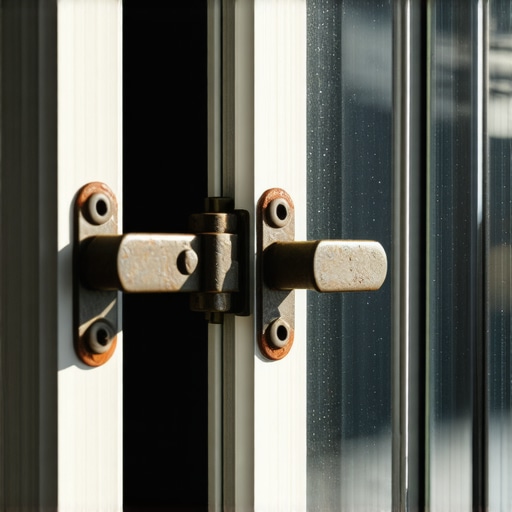
The Struggle with the Stuck Sash
In my twenty-five years as a master glazier, I have seen thousands of homeowners experience the same frustration: a window that requires the strength of a weightlifter just to let in a breeze. Most people assume the house has settled or the window has reached its terminal age. They start looking at the cost to replace windows and prepare for a massive financial hit. However, before you sign a contract for a five-figure replacement job, you need to understand the mechanical reality of your fenestration units. A window is a precision instrument, and like any machine with moving parts, it is subject to the laws of physics, friction, and environmental degradation.
The Narrative of the High-Pressure Pitch
I recall a specific afternoon sitting across from a local homeowner who had just received a quote from a ‘Tin Man’ style salesman. This salesman was pushing a full-house replacement of triple-pane krypton-filled units because three of the sashes were nearly impossible to lift. He told the homeowner that the frames had ‘catastrophically failed’ due to thermal stress. I asked the homeowner for a screwdriver and a can of high-quality dry silicone spray. Within ten minutes, those ‘failed’ windows were sliding with a single finger. I had to explain that the ROI on a twenty-thousand-dollar replacement versus a three-dollar can of lubricant was approximately two centuries. It wasn’t a frame failure; it was a maintenance failure exacerbated by a lack of understanding of how a window balance system operates.
“Installation is just as critical as the window performance itself. A high-performance window installed poorly will fail to operate as intended and will likely lead to premature component wear.” – AAMA Installation Masters Guide
The Anatomy of Friction in the Rough Opening
To understand why your window is sticking, we have to look at the Rough Opening. When a window is first installed, the gap between the window frame and the wall studs should be properly managed with a Shim. These small wedges of wood or plastic ensure the window is square, level, and plumb. If the installer was sloppy, or if the house has moved significantly, that frame can become slightly trapezoidal or ‘bowed.’ In a cold climate like Chicago or Minneapolis, the materials are under constant stress. Vinyl, for instance, has a high coefficient of thermal expansion. It expands in the heat and contracts in the cold. If the rough opening is too tight, there is no room for this movement, and the sash becomes pinched within the jambs.
The $3 Fix: Dry Silicone vs. The World
The secret that many a window cleaner or window repair specialist knows is that most ‘stuck’ windows are simply suffering from high static friction. People often reach for WD-40 or a heavy grease, but this is a critical mistake. Petroleum-based lubricants attract dust and grit, which eventually forms a grinding paste that destroys the Glazing Bead and the delicate tracks of the jamb liner. The $3 fix is a can of dry silicone spray. This creates a microscopic, non-greasy film that allows the sash stiles to glide over the weatherstripping. This is particularly effective in northern climates where the U-Factor is a priority. We want tight seals for energy efficiency, but tight seals mean more surface area contact, which means more friction. A dry lubricant bridges the gap between efficiency and operability.
Technical Deep-Dive: Why Windows Bind
When we engage in ‘Glazing Zooming,’ we look at the interaction between the Sash and the balance system. In a double-hung window, the balance is the mechanical device that offsets the weight of the sash. Whether it is a block-and-tackle balance, a constant force spring, or an old-fashioned weight and pulley, these systems rely on smooth movement. If the Weep Hole at the bottom of the frame is clogged, moisture can back up into the internal chambers of the frame. In a cold environment, this moisture can freeze or lead to the oxidation of metal balance components. This hidden corrosion creates a ‘ratcheting’ feel when you try to open the Operable portion of the window.
“The air leakage and water penetration resistance of a window are severely compromised when the mechanical operation of the sash is hindered by improper installation or lack of hardware maintenance.” – ASTM E2112 Standard Practice for Installation of Exterior Windows
Climate Logic: The Cold Weather Factor
For those in northern regions, the struggle is often related to the Dew Point. When warm, humid air from inside the house hits the cold surface of a single-pane or even a poorly performing double-pane window, condensation forms. This water drips into the tracks, carrying with it household dust and skin cells. This organic ‘sludge’ dries and acts like an adhesive. This is why a professional window cleaner often finds that windows are easier to open after a thorough scrubbing of the tracks. If you are constantly dealing with this, it might be time to look at the NFRC label on your glass. A lower U-Factor means the interior glass surface stays warmer, which reduces condensation and the subsequent ‘sticking’ caused by repeated wetting and drying of the tracks.
When Repair Transitions to Replacement
While the $3 fix works for many, there are times when window repair is no longer viable. If you see that the Muntin bars are beginning to warp, or if there is visible rot in a wood frame, the structural integrity is gone. This often happens because of a failure in the Sill Pan or the Flashing Tape during the original installation. If water has bypassed the ‘shingle principle’ and is rotting the header or the jack studs, the entire Rough Opening may be sagging onto the window frame. At this point, no amount of silicone will help. You are no longer fighting friction; you are fighting the weight of the house. This is when you must replace windows to protect the envelope of your home.
The Role of the Window Cleaner in Maintenance
Maintenance is the enemy of the replacement industry. A yearly routine of cleaning the tracks, clearing the Weep Holes, and applying a fresh coat of dry lubricant can extend the life of a vinyl or fiberglass window by decades. Most homeowners ignore their windows until they stop working, but by then, the balance springs might be snapped or the pivot bars might be sheared. A pro-active approach involves checking the Glazing Bead for cracks and ensuring the weatherstripping hasn’t become brittle. If the weatherstripping has ‘fuzzed’ out, it can get caught in the sash, causing it to bind. Replacing a two-dollar strip of weatherstripping is much cheaper than a new unit.
Final Thoughts on Window Operation
Don’t be fooled by high-pressure sales tactics that claim a difficult-to-open window is a sign of a ‘blown seal’ or a ‘warped frame.’ In the vast majority of cases, it is a simple matter of friction and physics. By understanding the mechanics of your home’s openings, you can save thousands of dollars. Start with the basics: clean the tracks, inspect the balances, and apply a dry lubricant. Only when the frame itself is physically crushed or the wood is structurally compromised should you consider the heavy investment of a full-frame replacement. Remember, a window is a hole in your wall that you’ve paid to plug; keep that plug maintained, and it will serve you for a lifetime.