The Cost of Neglect and the Chemistry of Maintenance
I walked into a residence last February where the owner was convinced their three-year-old casements were failing. Water was pooling on the sill, and the crank handles were seized. I did not bring a replacement catalog; I brought a hygrometer. The indoor relative humidity was hovering at 62 percent while it was 10 degrees outside. It wasn’t a product failure; it was a physics failure. The hardware wasn’t broken; it was drowning in its own condensation, which eventually led to the oxidation of the gear housing. This is a common scenario in northern climates where homeowners struggle with heat loss and moisture management.
“The performance of the fenestration system is dependent upon the integration of the window with the rough opening and the water-resistive barrier.” – ASTM E2112 Standard
Why Mineral Spirits are a Glazier’s Secret Tool
When you encounter a window that refuses to operate, the instinct is to call for a full window repair or, worse, a complete replacement. However, the $3 bottle of mineral spirits in your garage is often the most sophisticated tool you own. Mineral spirits are a petroleum distillate that excels at breaking down long-chain hydrocarbons found in desiccated lithium grease and accumulated environmental grime. When a window sits in a Rough Opening for a decade, the factory-applied lubricant attracts dust, pollen, and insect debris. This creates a grinding paste that destroys the stainless steel gears of a dual-arm operator. By applying a small amount of mineral spirits to the Sash hardware, you dissolve the old, hardened grease without damaging the metal’s integrity. You must be precise: keep the solvent away from the Glazing Bead and the weatherstripping, as petroleum distillates can compromise the EPDM or silicone seals.
The Anatomy of a Failing Window System
In cold regions like Chicago or Minneapolis, the U-Factor is the metric that dictates your comfort. A low U-factor means the window is better at keeping heat inside. But even a window with a 0.25 U-factor will feel like a hole in the wall if the hardware is so gummed up that the Operable sash won’t pull tight against the frame. This is where many ‘caulk-and-walk’ installers fail. They focus on the glass and ignore the mechanical seal. If the multi-point locking system is hampered by oxidized debris, the window cannot achieve its rated air-infiltration performance. Cleaning the hardware is not just about aesthetics; it is about maintaining the compression required to stop cold air bypass.
“Installation is just as critical as the window performance itself. A high-performance window installed poorly will fail.” – AAMA Installation Masters Guide
Water Management and the Sill Pan
If you are considering whether to replace windows or invest in a window cleaner and some maintenance, you must look at the water management system. Every window is designed to leak eventually. The question is how the window manages that water. The Weep Hole in the bottom of the frame is designed to let water out, but these often become clogged with the same debris that seizes your hardware. A thorough cleaning with mineral spirits on the metal components, followed by a clear passage for the weep holes, can extend the life of a window by twenty years. When we perform a full frame tear-out, we always install a sloped Sill Pan with back-dams. This ensures that if the hardware fails or the Shim points create a slight gap in the sealant, the water is directed back to the exterior rather than into your wall plate and header, preventing the rot that plagues so many homes.
The ROI of Maintenance vs. Replacement
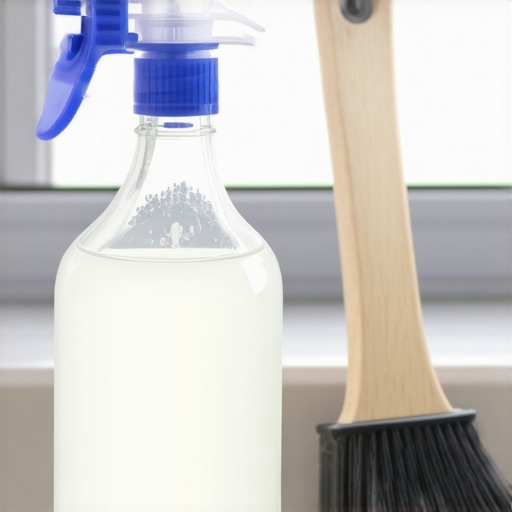
The math of window replacement is often misrepresented. While new triple-pane windows with Argon gas fills and Low-E coatings on Surface #3 provide immense comfort, the financial return on investment through energy savings can take decades. If your frames are structurally sound, a deep clean of the hardware and a window repair to replace the Flashing Tape or weatherstripping is far more cost-effective. Before you sign a contract for twenty thousand dollars, spend three dollars on mineral spirits, grab a stiff brush, and see if that ‘broken’ window just needs the gunk removed from its gears. Use a Shim to check the squareness of the frame. If the frame is true, the problem is mechanical, not structural. Buy the numbers, not the sales pitch.