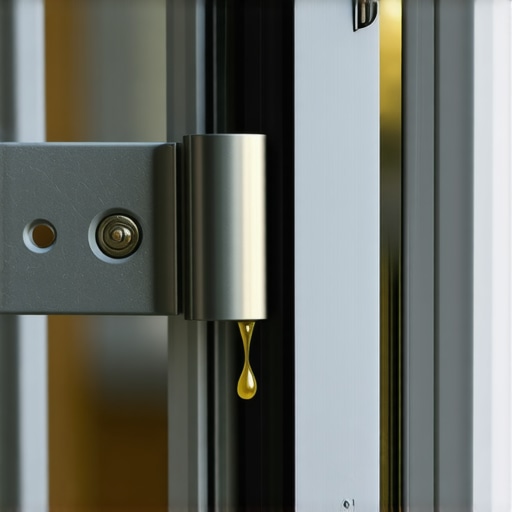
Why We Put a Drop of Olive Oil on Window Hinges: A Master Glazier’s Perspective on Maintenance
In twenty-five years of hauling glass and setting sashes, I have seen every DIY hack in the book. Some are pure snake oil, while others, like the curious use of olive oil on window hinges, have a basis in fundamental friction reduction. However, before you raid your pantry, you need to understand that a window is a complex mechanical system. It is not just a piece of glass; it is a thermal barrier that must operate within a tolerance of sixteenths of an inch. When an operable window starts to catch, grind, or resist the crank, the homeowner’s first instinct is often to reach for whatever lubricant is closest. While olive oil can act as a temporary surfactant to break the tension of oxidation, a master glazier sees a sticky hinge as a symptom of a much larger story involving the building envelope and the Dew Point.
A homeowner once called me in a panic because their new casement windows were ‘sweating’ so much the moisture was dripping onto the hardwood. I walked into the house with my hygrometer and showed them that the internal humidity was sitting at 60 percent while the outside temperature was plummeting. It was not a failure of the window repair or the unit itself; it was their lifestyle choices and the lack of air exchange. This same homeowner had been putting olive oil on the hinges because the moisture had caused local oxidation, making the windows difficult to open. I had to explain that while the oil helped the sash move, they were ignoring the thermal physics that would eventually rot their Rough Opening if they didn’t address the moisture load.
“Installation is just as critical as the window performance itself. A high-performance window installed poorly will fail.” – AAMA Installation Masters Guide
The Physics of the Friction Stay and the Hinge
When we talk about window repair, we are often talking about the ‘Friction Stay.’ This is the mechanical arm that allows a casement or awning window to remain open at a specific angle. These components are usually made of stainless steel or galvanized steel. Over time, dust, pollen, and salt spray (if you are near the coast) accumulate in the track. This grit acts like sandpaper. When you apply a drop of olive oil, you are providing a temporary liquid barrier that allows the metal components to slide past one another without the ‘chatter’ of dry friction. But as a professional, I look at the Glazing Bead and the weatherstripping first. If the window is hard to close, it might not be the hinge; it might be that the frame has shifted, or the Shim has compressed, causing the sash to sit out of square within the frame.
In northern climates where the temperature swings eighty degrees in a single season, the expansion and contraction of frame materials are significant. A vinyl window frame has a high coefficient of thermal expansion. In the dead of winter, that vinyl shrinks, and the clearance between the sash and the frame changes. If you are struggling to operate the window, the olive oil might help the hinge, but it won’t fix a frame that has bowed because it wasn’t installed with enough room for thermal movement in the Rough Opening. We use specific tolerances for a reason. If the installer ‘caulked and walked’ without leaving room for the header to flex, your hinges are the first thing to telegraph that stress.
The Anatomy of Water Management: Why Hinges Fail
Why do hinges get stiff enough to require a kitchen remedy? It usually comes down to the Shingle Principle. In a perfect installation, water should always be directed down and out. This involves a proper Sill Pan and Flashing Tape integrated into the weather-resistive barrier. If the Drip Cap is missing or the head flashing was installed behind the house wrap instead of over it, water will find its way into the track of the window. This water sits in the hinge mechanism, leading to corrosion. Putting olive oil on a corroded hinge is like putting a band-aid on a broken leg. It might stop the squeak for a week, but the oxidation is a signal that your water management system has failed.
“The primary purpose of a window is to provide light and ventilation while maintaining the integrity of the thermal envelope. Any compromise in the mechanical operation suggests a compromise in the seal.” – ASTM E2112 Standard Practice
When you decide to replace windows, you are looking for more than just new glass. You are looking for a system that manages energy. In cold climates, we prioritize the U-Factor. This is the rate of non-solar heat loss. We want a low U-Factor. To achieve this, we use an Insulating Glass Unit (IGU) filled with Argon gas. This gas is denser than air and slows down the convective loops between the panes. If your windows are old and the seals have failed, the Argon has long since leaked out, replaced by moist air. This is why you see fogging. At that point, no amount of olive oil on the hinges will save your energy bill. You are essentially living with a hole in your wall.
Professional Maintenance vs. DIY Hacks
If you are serious about window maintenance, put the olive oil back in the kitchen. A professional window cleaner or glazier will tell you that the best lubricant for a window hinge is a dry silicone spray or a lithium-based grease, depending on the manufacturer’s spec. These do not attract dust. Olive oil is an organic fat; it will eventually go rancid and, more importantly, it will become gummy. That gumminess will trap more dirt, eventually creating a grinding paste that will destroy the hinge’s Muntin supports and hardware. If you are performing a window repair, start by cleaning the tracks with a vacuum and a dedicated window cleaner to remove all debris before applying any lubricant.
The science of the ‘Warm-Edge Spacer’ also comes into play here. The spacer is the piece that keeps the two panes of glass apart. Old aluminum spacers conducted cold right to the edge of the glass, which is exactly where the hinges are located. This cold spot causes localized condensation. The water then drips onto the hardware. Modern fiberglass or composite spacers reduce this thermal bridging, keeping the interior side of the glass warmer and the hardware drier. When I consult with homeowners on whether to replace windows, I show them the temperature difference at the edge of the glass using an infrared camera. The numbers don’t lie. A thermally broken frame and a high-performance spacer do more for your hinges than a gallon of oil ever could.
The Verdict on the Olive Oil Method
While the ‘drop of olive oil’ is a charming piece of home-spun advice, it is not a long-term solution for a Master Glazier. If your windows are sticking, start by checking the square of the frame. Use a level on the sill and check the diagonals of the sash. If the window is ‘out of rack,’ it means the house has settled or the original installation lacked proper Shims. If the frame is square but the operation is stiff, use a dedicated technical lubricant. And if you see rot on the wooden components or black mold on the drywall, stop looking for lubricants and start looking for a contractor who understands the ASTM E2112 installation standards. Window repair is a science of managing the invisible forces of air pressure and thermal radiation. Don’t let a squeaky hinge distract you from the reality of your home’s building envelope.