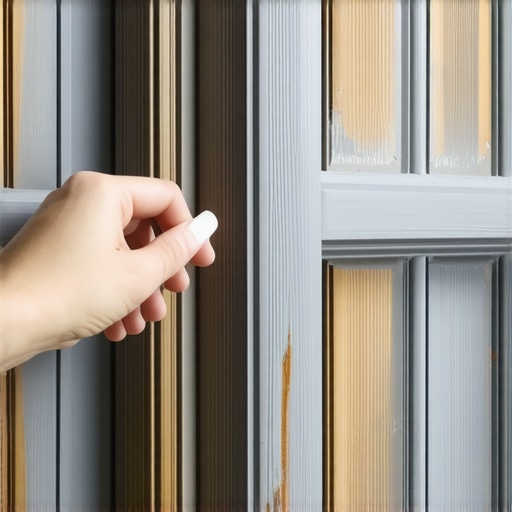
The Deceptive Simplicity of the Chalk Test
In my twenty five years as a master glazier, I have seen homeowners spend tens of thousands of dollars on full frame replacements when their original old growth wood windows were structurally sound but mechanically failing. The industry is saturated with high pressure tactics suggesting that a vinyl insert is the only cure for a drafty room. However, the reality of fenestration is often found in the micro millimeters of contact between the sash and the jamb. This is where a simple piece of schoolroom chalk becomes a diagnostic tool more valuable than a thermal imaging camera. By rubbing chalk along the stops and the meeting rail, then closing the operable sash, we can visually identify exactly where the weatherstripping is failing or where the wood has bowed over the last century. If the chalk does not transfer, you have a gap. If the gap exists, you have air infiltration. It is not rocket science, it is geometry and physics.
The Narrative Matrix: The Condensation Crisis
A homeowner called me in a panic because their new windows were sweating. I walked in with my hygrometer and showed them the humidity was 60 percent. It was not the windows; it was their lifestyle. They had just installed a ventless gas fireplace and were boiling water for pasta without an exhaust fan. The moisture was condensing on the coldest surface in the room, which happened to be the glass. In an old wood window, this condensation often leads to the degradation of the glazing bead and eventually the rot of the bottom rail. People assume they need to replace windows when they see this moisture, but often the solution is simply managing the dew point and restoring the integrity of the paint seal. I explained that the window was acting as a dehumidifier for the house, which is a role it was never designed to play. If we do not address the interior air quality, even the most expensive triple pane unit will eventually fail due to perimeter seal stress.
“Installation is just as critical as the window performance itself. A high performance window installed poorly will fail.” AAMA Installation Masters Guide
The Physics of the North: Heat Loss and the U-Factor
In cold climates like Chicago or Minneapolis, the primary enemy is heat loss via conduction and air infiltration. When we talk about wood sashes, we are dealing with a material that has a natural thermal break. Unlike uninsulated aluminum, wood does not easily transfer heat. However, the glass is another story. Many old sashes are single pane, which offers a U-factor of roughly 1.0. This is abysmal by modern standards. But here is the glazing zoom: if we add a high quality storm window, we create a dead air space. This air space acts as an insulator, effectively cutting the U-factor in half. The key is ensuring that the interior sash is tighter than the exterior storm. If the interior leaks, warm moist air enters the cavity, hits the cold storm glass, and causes rot. We use the chalk test to ensure the interior sash is air tight. This is more effective than any window cleaner in maintaining long term visibility and structural health.
The Anatomy of the Sash: More Than Just Glass
A window is a system of interlocking parts. The sash is the frame that holds the glass. The muntins are the narrow strips of wood that divide the panes. Over time, the glazing putty (the material that seals the glass to the wood) becomes brittle and falls out. This is where window repair becomes critical. Using a high quality linseed oil putty allows for the natural expansion and contraction of the wood. When a homeowner thinks they need to replace windows, they are often reacting to a failed glazing bead or a rattling pane. Re-glazing a window is a lost art. It requires a steady hand and an understanding of how the wood will breathe. If you use a modern acrylic caulk instead of traditional putty, you trap moisture against the wood, which leads to the very rot you were trying to prevent.
“Standard Practice for Installation of Exterior Windows, Doors and Skylights provides the baseline for water management and air leakage control.” ASTM E2112
Why a Full Frame Tear Out is Often Overkill
The window replacement industry loves the pocket replacement. They leave the old frame in place and slide a new vinyl box into the opening. This reduces your visible glass area and relies entirely on the integrity of the existing rough opening. If the original sill pan was never installed or has failed, your new expensive window is sitting on a bed of rot. I have pulled out five year old vinyl replacements where the header was completely black because the installer relied on a bead of caulk instead of proper flashing tape. When we restore an old wood sash, we are keeping the superior old growth timber that is far more rot resistant than the fast growth lumber used today. We shim the sashes for a perfect fit, replace the sash cords, and ensure the pulleys are lubricated. This mechanical restoration combined with modern weatherstripping can often match the performance of mid-range replacement windows for a fraction of the cost.
The Math of Return on Investment
Let us talk about the ROI that the salesmen do not want you to calculate. If you spend twenty thousand dollars to replace windows in a modest home, your energy bill might drop by twenty percent. If your annual heating bill is two thousand dollars, you are saving four hundred dollars a year. It will take you fifty years to break even. In that time, the seals on those new insulated glass units (IGUs) will likely have failed twice. Meanwhile, a restored wood window with a proper storm can last another hundred years with simple maintenance. The use of chalk to find leaks and the application of new putty is a maintenance cycle, not a capital expense. We focus on the U-factor and the SHGC (Solar Heat Gain Coefficient) to determine if we need a Low-E coating on the storm window glass to reflect heat back into the house during the winter.
Technical Execution: The Proper Way to Restore
When performing a window repair, we must look at the shingle principle of water shedding. Every layer must overlap the one below it. The drip cap at the top of the window must direct water over the casing. The casing must direct water onto the sill. The sill must have a proper slope and a drip groove on the underside to break the surface tension of the water. If any of these elements are painted shut or clogged with debris, the water will find its way into the rough opening. We use the chalk test not just for air, but to check the contact points of the meeting rail. If the meeting rail does not lock tightly, the chimney effect will pull cold air in through the bottom and push warm air out through the top. This is the primary cause of the drafty feeling that drives people to the replacement window showroom. By adjusting the sash locks and ensuring the meeting rails are planed flat, we can eliminate this convection loop without replacing a single piece of glass.