The Ghost in the Glass: Why Your Energy Bills Are Bleeding
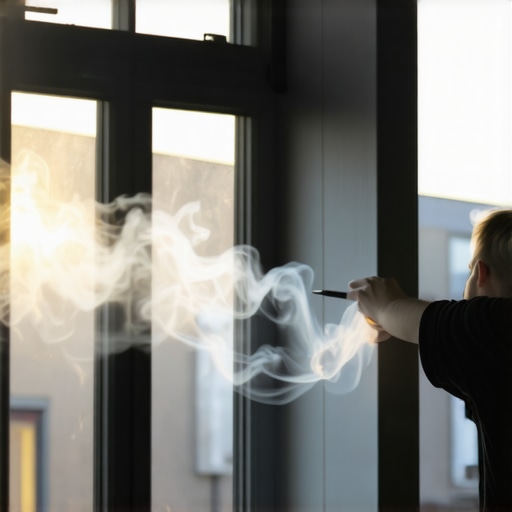
You can spend fifteen thousand dollars on the highest-rated fiberglass units on the market, but if the interface between the window frame and the rough opening is compromised, you might as well have left a hole in the brick. In my twenty-five years as a glazier, I have seen homeowners obsessed with the glass pack while ignoring the critical physics of air infiltration. A window is a dynamic system. It must manage wind loads, thermal expansion, and the relentless pressure of the stack effect in your home. When a client tells me they feel a phantom breeze in a room with the thermostat set to seventy-two, I don’t reach for a thermal camera first. I reach for my smoke pen.
A homeowner recently called me in a panic because their expensive new casements were ‘sweating’ and they felt a persistent chill. I walked in with my hygrometer and a smoke pen, and within ten minutes, I showed them that the humidity was sixty percent and the air was whistling through a poorly adjusted sash. It wasn’t the windows that had failed; it was the lack of understanding of how air moves through a dwelling. This is the reality of modern fenestration: the tiniest gap in a glazing bead or a misaligned strike plate can negate the thermal benefits of the most advanced Low-E coatings.
“Installation is just as critical as the window performance itself. A high-performance window installed poorly will fail.” AAMA Installation Masters Guide
The Physics of Air Infiltration and the Smoke Pen
To find where your money is leaking, you must visualize the invisible. Air moves from high pressure to low pressure. In a cold climate, the warm air inside your home is less dense and rises, creating a vacuum at the lower levels of the house that pulls cold exterior air through every available orifice. This is exfiltration and infiltration in action. A smoke pen, which generates a steady, non-toxic stream of glycol-based vapor, is the glazier’s most precise diagnostic tool. Unlike a heavy candle flame, the lightweight vapor reacts to the slightest delta in air pressure.
When you perform a smoke pen test, you must first disable your HVAC system to ensure you are measuring the natural air pressure of the building envelope. You move the pen slowly along the perimeter of the sash, the muntin bars, and specifically where the frame meets the interior casing. If the smoke pulls sharply toward the exterior, you have found a leak. We often find these leaks at the corners of the sill or where the weatherstripping has lost its memory. The NFRC (National Fenestration Rating Council) sets air leakage limits at 0.3 cubic feet per minute per square foot, but for a high-performance home, we aim for 0.1 or lower. A smoke pen makes these abstract numbers visible.
The Installation Autopsy: Why Window Repair Often Fails
Why do these leaks occur? In ninety percent of cases, it is not a manufacturing defect; it is an installation failure. When I perform an installation autopsy, I often find that the installer relied on the nailing fin as the primary air seal. This is a fundamental error. The nailing fin is for structural attachment and water shedding; the air seal must be created at the interior with backer rod and low-expansion foam or specialized sealant. If the window was not shimmed correctly, the frame can bow over time, creating a gap that no amount of weatherstripping can close.
If you are considering whether to replace windows or attempt a window repair, look at the integrity of the frame. If the frame is square and the material is sound, a window cleaner or a specialized technician can often replace the glazing bead or the weatherstripping to restore the seal. However, if the air is leaking through the rough opening itself, you may be looking at a full-frame tear-out. A pocket replacement, while cheaper, often leaves the original, uninsulated weight pockets of old wood windows intact, which are a primary source of convective heat loss.
“Standard Practice for Installation of Exterior Windows, Doors and Skylights must ensure a continuous air barrier across the fenestration-to-wall interface.” ASTM E2112
The Climate Context: Heat Loss vs. Radiant Gain
In northern climates, the enemy is U-Factor. This is the rate of non-solar heat loss. We want a low U-Factor, which we achieve through multi-pane units and Low-E coatings on Surface #3. This coating reflects long-wave infrared radiation—the heat from your furnace—back into the room. If your window cleaner notices condensation between the panes, your gas fill (Argon or Krypton) has escaped, and your U-Factor has plummeted. The smoke pen test is particularly vital here because cold air infiltration can drop the interior glass temperature below the dew point, leading to mold growth on the sash.
We must also discuss the sill pan. A proper installation includes a sloped sill pan with an end dam. This is the only defense against the inevitable day when water bypasses the primary seals. If the smoke pen shows air movement at the base of the frame, it likely means the air barrier is not continuous with the water-resistive barrier of the house. This is where rot begins. You might see a clean window on the outside, but behind the drywall, the header could be deteriorating because the shingle principle was ignored during installation.
Mastering the Technical Details of Your Frames
Whether your frames are vinyl, fiberglass, or thermally broken aluminum, every material has a coefficient of thermal expansion. Vinyl moves the most. In a wide temperature swing, a vinyl sash can shrink enough to pull away from the weatherstripping, creating a seasonal leak that only appears in the dead of winter. Fiberglass is much more stable, matching the expansion rate of the glass itself, which preserves the integrity of the seals over decades. When we shim a window, we are not just leveling it; we are ensuring that these expansion forces do not distort the operable parts of the unit.
Don’t fall for the marketing hype of ‘triple-pane or nothing.’ In many climates, a high-quality double-pane unit with a warm-edge spacer and a low air-infiltration rating will provide a better return on investment than a heavy, expensive triple-pane unit installed by a ‘caulk-and-walk’ crew. The smoke pen doesn’t care about the price tag of the window; it only cares about the physics of the seal. Focus on the installation details, ensure your weep holes are clear and functional, and never settle for an installer who doesn’t understand the importance of a continuous interior air seal.