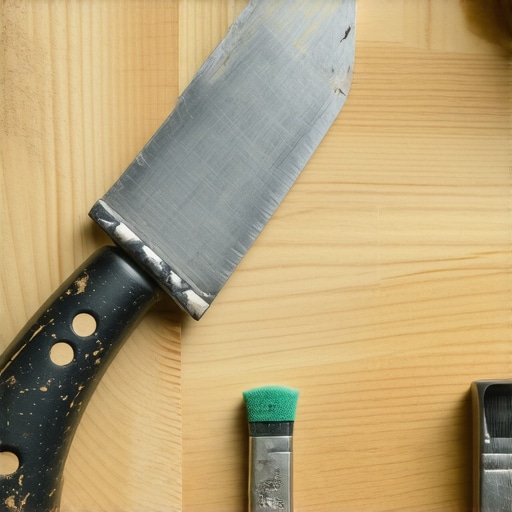
The Precision of the Dull Edge in Window Repair
In the world of high-end window repair, the tools you choose dictate the longevity of the structure. Many amateur installers reach for the sharpest blade in their kit when approaching a historic wood sash. This is a fundamental error. A sharp knife is a slicing tool, but restoration requires a prying and gliding tool. When we talk about the preservation of 19th-century fenestration, we are dealing with old-growth timber that has become brittle over decades. A sharp blade catches the grain and slices into the muntin, creating a site for future rot. A dull, stiff putty knife, however, allows the technician to apply even pressure against the glazing compound without compromising the wood substrate.
The Condensation Crisis: A Narrative of Interior Failure
I recall a specific project in a drafty Victorian home where the owner was convinced they needed to replace windows throughout the entire second floor. They called me in a panic because the glass was sweating so profusely that puddles were forming on the sills. I walked in with my hygrometer and a simple dull putty knife. I showed them that the humidity in the room was nearly 65 percent. It was not a failure of the glass, it was a failure of the seal. The old glazing putty had cracked, allowing cold air to infiltrate and hit the warm, moist interior air right at the glass edge. I used my dull knife to pop out a section of the brittle compound, revealing that the wood underneath was bone dry. By performing a targeted window repair instead of a full tear-out, we saved the original character of the home and solved the moisture issue through proper thermal management.
“Installation is just as critical as the window performance itself. A high-performance window installed poorly will fail.” AAMA Installation Masters Guide
The Physics of the Rabbet and the Sash
To understand why we prioritize certain tools, we must look at the rough opening and the sash construction. The glazing rabbet is the L-shaped groove where the glass sits. When you use a sharp tool, you risk nicking the shoulder of this rabbet. This creates a capillary path for water. Once water enters that nick, it stays there. This is why we see so many windows rot from the inside out. A dull knife, when used correctly, vibrates the old putty loose. This vibration breaks the bond between the oil-based compound and the wood without removing any wood fibers. This is the hallmark of a master glazier.
Thermal Logic in Cold Climates
For those of us working in northern regions, the U-factor is the metric that governs our lives. We are fighting a constant battle against heat loss. In a window repair context, the glazing compound acts as the primary seal against air infiltration. When that seal fails, your U-factor skyrockets. We look for a warm-edge effect even in old single-pane units. By using a high-quality linseed oil putty and ensuring a perfect bed of compound behind the glass, we create a thermal break that prevents the edge of the glass from becoming a dew point surface. This is why a simple window cleaner will often notice fogging only at the perimeter of the pane. It is a sign that the glazing bead or putty has lost its structural integrity.
“Field measurement of air leakage is essential to verify that the fenestration system meets the design intent for energy efficiency and occupant comfort.” ASTM E2112 Standard Practice
The Replacement Reality Check
There is a common push in the industry to replace windows at the first sign of trouble. Salespeople will tell you that a new vinyl unit will pay for itself in three years. This is a mathematical impossibility. The energy savings from moving from a well-maintained single-pane window with a storm unit to a standard double-pane vinyl window are often negligible compared to the capital outlay. The real value is in the comfort and the maintenance of the building envelope. When you replace windows, you often disturb the flashing tape and the sill pan of the original opening. If the new installer does not understand the shingle principle, where every layer must overlap the one below it, you will have a catastrophic failure within five years. I have seen countless homes where the nailing fin was relied upon as the sole water barrier, leading to black mold behind the drywall.
Trade Cant and Technical Execution
When executing a repair, the professional must check the rough opening for squareness. Even if the sash is being restored, the frame may have shifted. We use a shim to ensure the sash sits perfectly level within the opening, allowing the operable parts to move without friction. If the muntin is damaged, it must be consolidated with epoxy before new glazing is applied. We never apply putty to raw wood. The wood will suck the oil right out of the compound, causing it to fail prematurely. We prime the rabbet first, creating a transition layer that ensures the glazing bead remains flexible for years. This is the difference between a job that lasts five years and one that lasts fifty.
How to Properly Glaze a Window
Step 1: Removal of Failed Compound
Using a stiff, dull putty knife, carefully pry the old, brittle putty away from the glass. Apply heat if necessary, but shield the glass to prevent thermal shock and cracking.
Step 2: Surface Preparation
Clean the wood rabbet of all debris. Use a window cleaner to ensure the glass edges are free of oil and dust. Apply a high-quality oil-based primer to the wood to prevent oil absorption from the new putty.
Step 3: Bedding the Glass
Apply a thin bead of glazing compound into the rabbet before setting the glass. This is the back-putty, and it is the most important seal for preventing air leaks.
Step 4: Tooling the Face Putty
Press the compound into the corner with your dull knife. Draw the knife in one smooth motion to create a clean, angled bead that aligns with the interior muntin profile. This prevents the putty from being visible from the inside.
In conclusion, the art of glazing is about understanding the materials. Whether you are a window cleaner maintaining the glass or a specialist performing a full window repair, the goal is the same: water management and thermal control. Do not be seduced by the ease of a sharp blade or the false promises of cheap replacement units. Stick to the physics of the building envelope, respect the wood grain, and always keep your putty knife dull and your standards high.