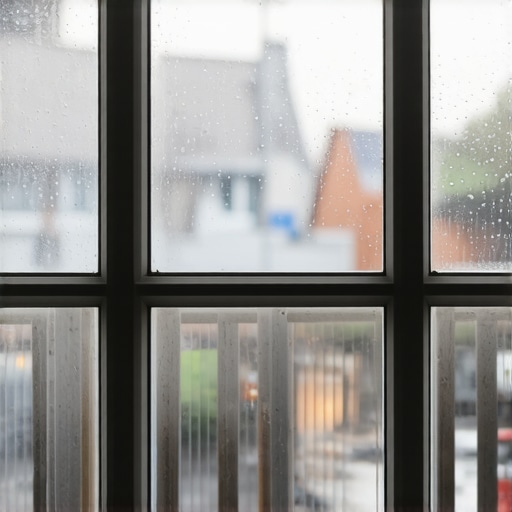
The Optical Illusion of Seal Failure and the Physics of Glass
When a homeowner notices a hazy, milky film appearing between their window panes, the first instinct is to reach for a window cleaner. However, as someone who has spent over two decades examining the structural integrity of residential and commercial glazing, I can tell you that no amount of scrubbing will solve this problem. What you are witnessing is not a surface stain but a catastrophic failure of the Insulated Glass Unit, or IGU. This phenomenon is a common sight in northern climates where the temperature differential between the interior and exterior environments puts immense physical stress on the window assembly. A foggy window is a window that has lost its lifeblood, the inert gas that provides thermal resistance, and has instead become a reservoir for atmospheric moisture.
The Condensation Crisis: A Master Glazier’s Perspective
A homeowner in a suburb north of Chicago called me in a panic last February because their brand-new, expensive windows were ‘sweating’ so much that water was pooling on the sill. They were convinced the units were defective. I walked in with my hygrometer and a thermal imaging camera. Within five minutes, I showed them that the interior humidity was sitting at a staggering 62 percent while the outside air was a crisp 10 degrees. I had to explain that it wasn’t a product failure; it was their lifestyle choices: high-moisture cooking and a lack of proper ventilation were causing water to condense on the coldest surface in the room. This story illustrates a critical distinction: internal condensation is a humidity issue, whereas fogging between the panes is a mechanical failure. In this guide, we will analyze the technical reasons why these seals fail and whether a window repair or a full effort to replace windows is the correct course of action.
“Installation is just as critical as the window performance itself. A high-performance window installed poorly will fail.” – AAMA Installation Masters Guide
Decoding the Anatomy of an Insulated Glass Unit
To understand why windows fog, you must understand how they are built. An IGU consists of two or more lites of glass separated by a spacer bar. This spacer bar is more than just a piece of metal or structural foam; it is a complex component containing a desiccant, a moisture-absorbing material like silica gel or a molecular sieve. The entire assembly is sealed twice. The primary seal is typically made of polyisobutylene (PIB), which is chosen for its incredibly low moisture vapor transmission rate. The secondary seal, often silicone or polysulfide, provides the structural strength to keep the unit together. When these seals are intact, the space between the glass is filled with dry air or an inert gas like Argon. However, windows are subject to ‘thermal pumping.’ As the sun hits the window, the air inside the unit expands, putting outward pressure on the seals. At night, the unit cools and contracts. Over thousands of cycles, the seals can develop microscopic fractures. Once the primary seal is breached, moisture-laden air enters. The desiccant can only absorb so much; once it is saturated, the dew point inside the unit rises above the glass temperature, and the fogging begins.
[IMAGE_PLACEHOLDER]
The North Climate Logic: Why U-Factor Governs Your Comfort
In cold climates, the primary enemy is heat loss and the subsequent condensation on the interior glass surface. This is where the U-Factor becomes the most critical metric on your NFRC label. The U-Factor measures the rate of heat transfer through the window; the lower the number, the better the window is at keeping the heat inside. For those in regions like Minneapolis or Toronto, we prioritize warm-edge spacers. Older aluminum spacers acted as a thermal bridge, conducting cold directly to the edge of the glass, which is why you often see black mold forming on the glazing bead of older windows. Modern spacers made of stainless steel or structural foam break this thermal bridge. Furthermore, we utilize Low-E coatings on Surface 3 (the interior-facing surface of the inner pane) to reflect long-wave infrared radiation back into the living space. When the seal fails and the Argon gas escapes, your U-Factor spikes, and your heating bills follow suit. This is often the point where a simple window cleaner is useless and a more permanent solution is required.
“The performance of a fenestration product is dependent on the integrity of the seal and the accuracy of the thermal data provided by the manufacturer.” – NFRC Performance Standards
The Technical Reality of Window Repair vs. Replacement
I often see companies offering ‘defogging’ services where they drill small holes in the glass to vent the moisture. As a master glazier, I find this practice to be a temporary cosmetic fix that ignores the underlying physics. By drilling the glass, you are permanently destroying the thermal value of the window. The Argon gas is gone, and you have essentially turned your double-pane window into a single-pane window with a dusty air gap. If the frame of the window is still structurally sound, the most efficient path is an IGU replacement. We remove the glazing bead, take out the failed glass unit, and drop in a new, factory-sealed IGU. However, if the fogging is accompanied by air leaks around the sash or a rotted sill pan, it is time to replace windows entirely. When we perform a full-frame replacement, we ensure the rough opening is properly shinned and that the flashing tape is integrated with the weather-resistive barrier to prevent the kind of rot that destroys headers. We examine the weep hole function to ensure water that enters the glazing pocket has a clear path to exit. Using a high-quality sill pan is the only way to protect the underlying framing from the inevitable moisture that exterior glazing must manage.
Final Decision Matrix: When to Pull the Trigger
Before you commit to a major expense, analyze the condition of your window components. Is the muntin inside the glass crooked? Is there mineral scaling (calcium deposits) on the interior of the IGU? If you see white, crusty deposits, the moisture has been there so long it has etched the glass, and it is impossible to clean. If the sash is operable and moves smoothly, a glass-only window repair is a cost-effective way to restore visibility. But if you feel a draft through the rough opening or see daylight around the frame, the window has failed as a system. Do not buy the hype of high-pressure salesmen who promise a 100 percent ROI on energy savings; real ROI comes from the elimination of drafts and the protection of your home’s structural envelope. A properly installed window is a multi-generational investment in comfort and physics.