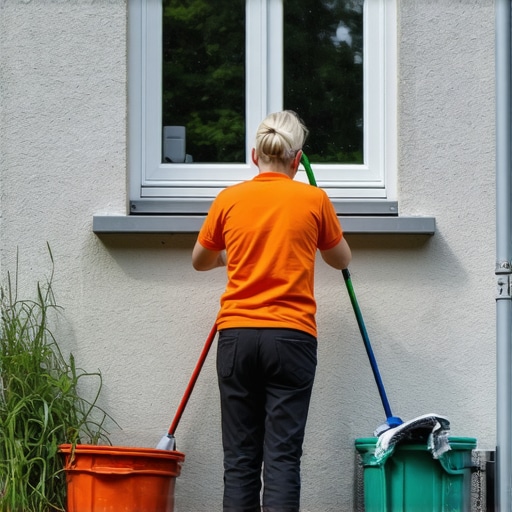
The Reality of High-Elevation Glazing Maintenance
In my twenty-five years as a Master Glazier, I have seen every imaginable shortcut taken by both installers and homeowners. People often view windows as static objects, but they are dynamic barriers managing the violent transition between an interior controlled environment and the chaotic external elements. When we discuss the The Mop and Bucket Method for Second-Floor Window Safety, we are not just talking about removing bird droppings or pollen. We are discussing the structural interrogation of the Sash and the integrity of the Glazing Bead. Most homeowners do not realize that applying lateral pressure to a second-story window with a cleaning tool can be a diagnostic test for window repair or an accidental invitation to a total failure.
The Rot Discovery: A Narrative of Neglect
I recall pulling a series of double-hung units out of a colonial in the suburbs of Chicago. The homeowner had been attempting to clean the exterior of the second-floor windows using a long-reach pole and a heavy, water-soaked mop. During my inspection, I pulled back a small section of the exterior trim and found that the Rough Opening header was completely black with rot. Why? The previous installer had relied solely on the nailing fin for moisture management instead of utilizing high-performance Flashing Tape and a properly sloped Sill Pan. Every time the homeowner ‘cleaned’ the windows, they were inadvertently pushing water into the Rough Opening through micro-gaps in the aged caulking. What they thought was maintenance was actually accelerating a window repair crisis that eventually required a full-frame replace windows project. This is the difference between a ‘caulk-and-walk’ amateur and a technician who understands the shingle principle of water management.
“Installation is just as critical as the window performance itself. A high-performance window installed poorly will fail.” – AAMA Installation Masters Guide
The Physics of the Mop and Bucket Method
When you are cleaning second-floor glass without a ladder, you are typically using a telescoping pole. This tool allows you to stay on the ground, but it creates a massive amount of leverage. If the Sash is not properly seated in the Shim-leveled frame, that leverage can rack the unit. A window is only as strong as its Glazing Bead, which is the strip of plastic or wood that holds the Insolated Glass Unit (IGU) in place. On many older vinyl windows, these beads become brittle due to UV exposure. I have seen glass panes literally pop out of the frame because a window cleaner pushed too hard with a heavy mop. Before you even touch a bucket, you must inspect the Operable parts of the window to ensure the balances are holding the weight of the glass. [IMAGE_PLACEHOLDER_1]
Thermal Performance and the Northern Climate Challenge
In regions like Minneapolis or Chicago, our primary enemy is the U-Factor, which measures the rate of non-solar heat loss. A lower number is superior. When we talk about replace windows, we are usually looking for a U-factor below 0.27. In these cold climates, we utilize a Low-E coating on Surface #3 (the interior-facing surface of the outboard lite) to reflect long-wave infrared radiation back into the home. However, dirty windows can actually affect your thermal performance. Dust and grime absorb radiant heat, which can stress the Warm-edge spacers between the panes. These spacers are designed to prevent condensation at the edges of the glass, but excessive heat absorption from a filthy exterior can cause the Argon gas fill to expand and eventually breach the seal. This leads to the ‘foggy window’ syndrome, a clear sign that it is time for a window repair or a complete glass replacement.
“Standard Practice for Installation of Exterior Windows, Doors and Skylights must prioritize the continuity of the water-resistive barrier.” – ASTM E2112
Structural Integrity: Why Your Window Might Be Moving
If you notice the Sash rattling when you apply the mop, you are likely looking at a structural failure. The Rough Opening should have a 1/2-inch to 3/4-inch gap around the window frame, which is filled with low-expansion foam or backer rod and sealant. If the Shim placement was improper, the frame may have bowed. This bowing prevents the Muntin bars from aligning and, more importantly, creates gaps in the weatherstripping. When a window cleaner uses the mop and bucket method, they are often forcing water into the Weep Holes at a rate the system cannot handle. Weep Holes are engineered to drain gravity-fed moisture, not pressurized water from a cleaning pole. If water backs up, it bypasses the Sill Pan and enters the wall cavity, leading to the kind of rot I described earlier.
The Technical Checklist for Second-Floor Safety
Before you engage in high-elevation cleaning, perform a ‘Glazing Audit’. First, check the Sash locks. If the locks do not line up perfectly, the window is racked, and lateral pressure from a mop could crack the glass. Second, inspect the Glazing Bead for cracks or gaps. Third, ensure the Weep Holes are clear of debris. If you find that the window is difficult to operate or has visible seal failure, do not attempt to clean it. Instead, consult a professional to see if you can perform a window repair or if the U-Factor loss justifies a replace windows order. The ROI of new windows is not just about energy bills; it is about the structural security of your home’s envelope. High-performance fiberglass frames offer the best stability because they have a nearly identical expansion coefficient to the glass itself, meaning they won’t bow or twist when you apply pressure during maintenance.
Final Verdict: Maintenance vs. Replacement
Maintenance is a science, not a chore. The mop and bucket method is a viable safety strategy for second-floor windows, but only if the underlying fenestration is sound. If you are struggling with drafts, condensation, or a Sash that won’t stay up, no amount of cleaning will solve your problem. You are fighting physics. Understand your NFRC labels, know the difference between SHGC and U-Factor, and never trust an installer who doesn’t talk about Flashing Tape. Your windows are the only part of your wall you can see through; make sure they are actually doing their job of keeping the outside, out.