Beyond the Surface: A Glazier’s Perspective on Structural Integrity
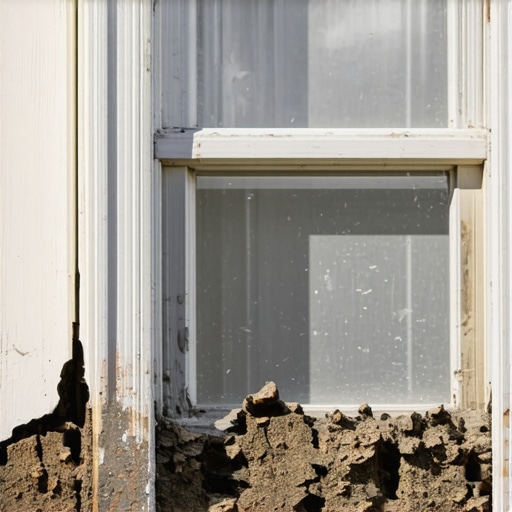
I pulled a wood-clad window out of a craftsman home in Charleston last summer, and the moment my flat bar touched the exterior casing, the entire bottom rail of the sash disintegrated into a pile of fine, sawdust-like powder. On the surface, the homeowner thought they just needed a simple window cleaner to get rid of some ‘dirt’ on the sill. In reality, the previous installer had failed to use a proper sill pan, allowing water to wick into the rough opening. This moisture hadn’t just caused rot; it had sent out a dinner invitation to every subterranean termite in the county. What looked like a cosmetic issue was actually a structural failure that had compromised the jack studs and the header. This is the reality of wooden window maintenance: by the time you see the damage, the war is often already lost.
“Installation is just as critical as the window performance itself. A high-performance window installed poorly will fail, often leading to moisture intrusion that invites biological decay and wood-destroying organisms.” – AAMA Installation Masters Guide
The Anatomy of Vulnerability: Why Termites Target the Sash and Frame
To understand why wooden windows are a primary target, we have to look at the physics of the window opening. A window is essentially a controlled breach in your home’s thermal envelope. When we talk about wood windows, we are dealing with cellulose, the primary food source for termites. However, termites aren’t just looking for food; they are looking for moisture and a path of least resistance. In many older installations, the ‘glazing bead’—that small strip of wood or putty that holds the glass in place—starts to crack over time. This allows capillary action to pull rainwater behind the bead and into the heart of the wood sash. Once that wood reaches a certain moisture content, it becomes soft, digestible, and attractive to pests.
When I perform an inspection for a potential window repair, I don’t just look at the paint. I look at the ‘rough opening’ tolerances. If a window was improperly shimmed during its initial install, it can create voids in the insulation and flashing. These voids act as highways. Termites don’t like the light; they prefer the dark, humid environment of the wall cavity. They will build mud tubes from the soil, up the foundation, and directly into the window frame where the flashing tape should have been a barrier but instead became a bridge due to poor adhesion or improper ‘shingling’ of the materials.
Identifying the Silent Destroyers: Technical Indicators
Most homeowners confuse termite damage with simple dry rot, but the two require very different interventions. As a specialist, I use several diagnostic tools, including moisture meters and acoustic sensors, but you can find a lot with a simple screwdriver and a keen eye for ‘frass.’ Frass is the technical term for termite excrement, which often looks like tiny pellets of wood or sand. If you find small piles of this under your window stool, you aren’t looking at a cleaning issue; you’re looking at an infestation. Another sign is ‘buckling’ or ‘blistering’ of the paint on the muntin or the sash rails. If the paint feels soft or hollow when you press it, the termites have likely hollowed out the interior of the wood, leaving only a paper-thin layer of paint and a shell of cellulose.
In coastal or high-humidity regions, the ‘Solar Heat Gain’ (SHGC) also plays a role in this ecosystem. High heat on the exterior of a dark-painted wooden window can cause the wood to expand and contract aggressively. This movement breaks the seal of the ‘weep holes’ and the perimeter caulk. Once those seals are broken, the moisture-laden air of the South gets trapped. If your windows are older single-pane units, the temperature differential between the air-conditioned interior and the sweltering exterior causes condensation on the interior surface of the glass. This water then runs down and pools on the wooden ‘sill,’ eventually seeping into the grain. This is why many homeowners eventually decide to replace windows entirely rather than attempting a surgical repair that ignores the underlying moisture problem.
“Standard practice for the installation of exterior windows requires a continuous path for water shed. Failure to maintain the integrity of the weather-resistive barrier is the leading cause of structural wood decay.” – ASTM E2112
The Math of Repair vs. Replacement
I often hear from people who want a quick window repair to ‘save the old wood.’ I appreciate the sentiment, but as a glazier, I have to look at the ROI. If termites have reached the ‘muntins’ (the grids that divide the glass), the structural integrity of the sash is gone. You can’t just wood-filler your way out of a termite colony. When the damage extends into the frame or the ‘rough opening’ itself, a pocket replacement—where we just slide a new window into the old frame—is a recipe for disaster. You will simply be hiding the termites behind a new piece of vinyl or fiberglass. In these cases, a full-frame tear-out is the only professional solution. This involves removing the interior trim and exterior casing to inspect the underlying framing. It’s the only way to ensure the ‘sill pan’ is properly integrated with the house wrap and that the termites haven’t moved into the load-bearing studs.
Preventative Maintenance: The Role of Professional Care
Maintaining your windows is about more than just aesthetics. A professional window cleaner is often your first line of defense. When someone is up close with the glass and the frames every six months, they are the ones who will notice the tiny exit holes or the slight discoloration of the wood grain before the damage becomes catastrophic. I always tell my clients to inspect their ‘glazing beads’ and ‘sash’ joints annually. If you see a gap, don’t just ‘caulk and walk.’ You need to ensure the wood is dry before sealing it, or you are simply trapping the moisture and the pests inside. Use a high-quality wood preservative and ensure that your exterior drainage is moving water away from the foundation. Termites start in the ground; if your window sills are the first point of contact for splashing rainwater, you are inviting them upstairs.
Final Technical Verdict
In the end, a window is a complex system of water management and thermal resistance. If you ignore the signs of termite damage, you aren’t just losing a window; you are compromising the structural envelope of your home. Whether you are looking to replace windows for better energy efficiency or you’re caught in the middle of a complex repair, remember that the glass is only as good as the wood that holds it. Don’t buy the marketing hype of ‘maintenance-free’ without understanding how that window interacts with your specific climate. In hot, humid zones, blocking the sun with Low-E coatings on Surface #2 is vital, but so is ensuring that your wooden frames can breathe and shed water. Respect the physics of the opening, and your windows will last for generations.”