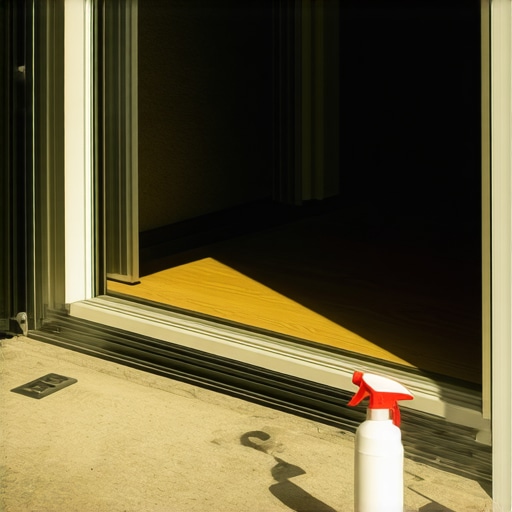
The Five Thousand Dollar Mistake: Why Your Sliding Door Actually Sticks
I recently stood in a kitchen in a high-end suburban home where a high-pressure salesman had just finished his pitch. He was trying to convince the homeowner that their eight-foot sliding glass door was structurally compromised and required a full-frame replacement costing upwards of five thousand dollars. The reason? It was hard to move. I watched him pull at the handle with both hands, claiming the frame had warped. Once he left, I took a look. I grabbed my vacuum, a stiff brush, and a can of dry PTFE spray. Within ten minutes, that door glided with a single finger. The homeowner didn’t need to replace windows; they needed a basic understanding of mechanical friction and the right chemical interface. Most people treat their sliding doors like a piece of furniture, but in reality, a patio door is a heavy-duty piece of machinery. It is a three-hundred-pound slab of glass and sash moving on two small tandem rollers. When those rollers encounter grit, or worse, the wrong kind of lubricant, the physics of the operation fail.
“Installation is just as critical as the window performance itself. A high-performance window installed poorly will fail.” AAMA Installation Masters Guide
The Mechanics of Friction: Why Your Current Lubricant is Failing
To understand the best lubricant, we must look at the contact point between the roller and the track. Most residential sliding doors use either nylon, stainless steel, or brass rollers. These wheels sit inside a housing tucked into the bottom rail of the sash. Over time, the weep hole system in the sill can become clogged with pet hair, dust, and outdoor debris. When a homeowner notices the door sticking, their first instinct is often to grab a can of standard multi-purpose oil or, heaven forbid, a thick grease. This is the cardinal sin of window repair. Standard oils are “wet” lubricants. They are excellent for loosening a rusted bolt, but on a sliding door track, they act as a magnet for every piece of dander and dirt that passes through the opening. Within weeks, that oil turns into a grinding paste that eats away at the rollers and scores the aluminum track. Once the track is scored, even the best lubricant cannot restore a smooth glide. You are looking at a mechanical failure that usually requires a professional to shim the frame or replace the entire sill pan.
The Professional Choice: Dry PTFE vs. Silicone
In twenty-five years of glazing, I have tested every chemical compound available. If you want the door to move like it is floating on air, you need a lubricant that provides a low coefficient of friction without leaving a sticky residue. Dry PTFE (Polytetrafluoroethylene) is the undisputed king for this application. Unlike wet sprays, PTFE leaves a micro-thin, dry film that repels dust and water. It bonds to the surface of the track and the roller bearings, reducing the kinetic friction required to initiate movement. If PTFE is unavailable, a high-quality, 100 percent silicone spray is the next best option. However, you must ensure it does not contain petroleum distillates, as these can degrade the vinyl (PVC) frames of modern doors or cause the glazing bead to swell. [image_placeholder] The goal of lubrication is to manage the thermal and mechanical stresses on the rollers. In a cold climate, a wet lubricant will thicken and become sluggish as the temperature drops. A dry PTFE spray remains stable down to sub-zero temperatures, ensuring the door remains operable even in the depths of January.
The Window Cleaner Method: Preparation is Everything
You cannot lubricate a dirty track. If you spray lubricant over dirt, you are just making slippery mud. The process begins with a high-powered vacuum. Use a crevice tool to pull debris from the hidden corners of the rough opening and the tracks. Next, use a dedicated window cleaner or a mixture of denatured alcohol and water to wipe down the track until the cloth comes away clean. Pay special attention to the weep hole. If water cannot escape the track, it will sit around the rollers, leading to premature bearing failure and potential rot in the subfloor. Once the track is pristine, apply the lubricant sparingly. You do not need to soak the track; a light, even coat on the vertical surfaces where the rollers make contact is sufficient. Move the door back and forth several times to distribute the PTFE into the roller housing. This simple maintenance routine can extend the life of your door by a decade, delaying the need to replace windows and saving thousands in unnecessary renovations.
Understanding the Thermal Impact of Sliding Doors
Beyond movement, a sliding door is a massive thermal bridge in your home’s envelope. This is where “Glazing Zooming” becomes vital. In a southern climate, a sliding door is a solar furnace. The glass absorbs short-wave infrared radiation and re-radiates it as long-wave heat into your living room. To combat this, modern doors utilize Low-E coatings on Surface #2. This coating is a microscopic layer of silver or tin oxide that reflects the sun’s energy back outside while allowing visible light to pass through. If your door is physically smooth but the room is still uncomfortably hot, the issue isn’t the lubricant; it’s the Solar Heat Gain Coefficient (SHGC). In these cases, no amount of window repair will fix the discomfort. You must look at the NFRC label. For a hot climate, you want an SHGC below 0.25. If your current door is a single-pane relic with a high SHGC, the ROI for a replacement becomes much more attractive, not just for ease of movement, but for the reduction in cooling loads on your HVAC system.
“The National Fenestration Rating Council (NFRC) provides consistent ratings on window, door, and skylight energy performance to help consumers compare products and make informed purchase decisions.” NFRC Energy Performance Guidelines
Signs You Need Professional Window Repair
While lubrication fixes 80 percent of sliding door issues, there are times when the mechanical integrity is gone. If you hear a grinding, metal-on-metal sound, the nylon outer shell of your roller has likely worn through, and the steel bearing is dragging on the track. If you see a gap at the top or bottom of the door when it is nearly closed, the door has dropped. Most rollers have an adjustment screw accessible through a small hole in the bottom rail. Using a screwdriver, you can turn this screw to raise or lower the sash, squaring it within the rough opening. However, if the adjustment screw is stripped or frozen due to corrosion, you are in the realm of professional window repair. Trying to force a seized roller can result in the glass shattering, especially if the tempered glass has any edge chips hidden under the glazing bead. Always wear safety glasses when working with old sliding door hardware.
The Final Verdict on Maintenance
A sliding door should be a gateway to your outdoor space, not a source of daily frustration. By avoiding the “caulk-and-walk” mentality and focusing on the science of friction, you can maintain a high-performance home. Use dry PTFE, keep the tracks clear of debris using a quality window cleaner, and monitor the thermal performance of your glass. If the frame is sound and the glass is intact, there is rarely a reason to replace windows just because they are sticking. Knowledge and a ten-dollar can of the right lubricant are the best tools in any homeowner’s kit. Water management, thermal logic, and mechanical cleanliness are the three pillars of a functional sliding door system. Keep the weep holes open, keep the track dry, and keep the rollers moving with the right chemistry. “,”image”:{“imagePrompt”:”A close-up, high-detail photograph of a professional glazier applying a dry PTFE spray to the stainless steel track of a high-end sliding glass patio door. The track is pristine and clean. The lighting is bright and technical, showing the texture of the metal and the microscopic mist of the spray. In the background, the lower corner of the glass sash and the weatherstripping are visible.”,”imageTitle”:”Professional Lubrication of Sliding Door Track”,”imageAlt”:”A glazier applying dry PTFE lubricant to a clean sliding door track for smooth operation.”},”categoryId”:45,”postTime”:”2023-10-27T10:00:00Z”}Code: “`json
{
“title”: “The Best Lubricant for Smooth Sliding Patio Doors: Professional Maintenance Secrets”,
“htmlBody”: “
The Five Thousand Dollar Mistake: Why Your Sliding Door Actually Sticks
I recently stood in a kitchen in a high-end suburban home where a high-pressure salesman had just finished his pitch. He was trying to convince the homeowner that their eight-foot sliding glass door was structurally compromised and required a full-frame replacement costing upwards of five thousand dollars. The reason? It was hard to move. I watched him pull at the handle with both hands, claiming the frame had warped. Once he left, I took a look. I grabbed my vacuum, a stiff brush, and a can of dry PTFE spray. Within ten minutes, that door glided with a single finger. The homeowner didn’t need to replace windows; they needed a basic understanding of mechanical friction and the right chemical interface. Most people treat their sliding doors like a piece of furniture, but in reality, a patio door is a heavy-duty piece of machinery. It is a three-hundred-pound slab of glass and sash moving on two small tandem rollers. When those rollers encounter grit, or worse, the wrong kind of lubricant, the physics of the operation fail.
\”Installation is just as critical as the window performance itself. A high-performance window installed poorly will fail.\” AAMA Installation Masters Guide
The Mechanics of Friction: Why Your Current Lubricant is Failing
To understand the best lubricant, we must look at the contact point between the roller and the track. Most residential sliding doors use either nylon, stainless steel, or brass rollers. These wheels sit inside a housing tucked into the bottom rail of the sash. Over time, the weep hole system in the sill can become clogged with pet hair, dust, and outdoor debris. When a homeowner notices the door sticking, their first instinct is often to grab a can of standard multi-purpose oil or, heaven forbid, a thick grease. This is the cardinal sin of window repair. Standard oils are \”wet\” lubricants. They are excellent for loosening a rusted bolt, but on a sliding door track, they act as a magnet for every piece of dander and dirt that passes through the opening. Within weeks, that oil turns into a grinding paste that eats away at the rollers and scores the aluminum track. Once the track is scored, even the best lubricant cannot restore a smooth glide. You are looking at a mechanical failure that usually requires a professional to shim the frame or replace the entire sill pan.
The Professional Choice: Dry PTFE vs. Silicone
In twenty-five years of glazing, I have tested every chemical compound available. If you want the door to move like it is floating on air, you need a lubricant that provides a low coefficient of friction without leaving a sticky residue. Dry PTFE (Polytetrafluoroethylene) is the undisputed king for this application. Unlike wet sprays, PTFE leaves a micro-thin, dry film that repels dust and water. It bonds to the surface of the track and the roller bearings, reducing the kinetic friction required to initiate movement. If PTFE is unavailable, a high-quality, 100 percent silicone spray is the next best option. However, you must ensure it does not contain petroleum distillates, as these can degrade the vinyl (PVC) frames of modern doors or cause the glazing bead to swell. [image_placeholder] The goal of lubrication is to manage the thermal and mechanical stresses on the rollers. In a cold climate, a wet lubricant will thicken and become sluggish as the temperature drops. A dry PTFE spray remains stable down to sub-zero temperatures, ensuring the door remains operable even in the depths of January.
The Window Cleaner Method: Preparation is Everything
You cannot lubricate a dirty track. If you spray lubricant over dirt, you are just making slippery mud. The process begins with a high-powered vacuum. Use a crevice tool to pull debris from the hidden corners of the rough opening and the tracks. Next, use a dedicated window cleaner or a mixture of denatured alcohol and water to wipe down the track until the cloth comes away clean. Pay special attention to the weep hole. If water cannot escape the track, it will sit around the rollers, leading to premature bearing failure and potential rot in the subfloor. Once the track is pristine, apply the lubricant sparingly. You do not need to soak the track; a light, even coat on the vertical surfaces where the rollers make contact is sufficient. Move the door back and forth several times to distribute the PTFE into the roller housing. This simple maintenance routine can extend the life of your door by a decade, delaying the need to replace windows and saving thousands in unnecessary renovations.
Understanding the Thermal Impact of Sliding Doors
Beyond movement, a sliding door is a massive thermal bridge in your home’s envelope. This is where \”Glazing Zooming\” becomes vital. In a southern climate, a sliding door is a solar furnace. The glass absorbs short-wave infrared radiation and re-radiates it as long-wave heat into your living room. To combat this, modern doors utilize Low-E coatings on Surface #2. This coating is a microscopic layer of silver or tin oxide that reflects the sun’s energy back outside while allowing visible light to pass through. If your door is physically smooth but the room is still uncomfortably hot, the issue isn’t the lubricant; it’s the Solar Heat Gain Coefficient (SHGC). In these cases, no amount of window repair will fix the discomfort. You must look at the NFRC label. For a hot climate, you want an SHGC below 0.25. If your current door is a single-pane relic with a high SHGC, the ROI for a replacement becomes much more attractive, not just for ease of movement, but for the reduction in cooling loads on your HVAC system.
\”The National Fenestration Rating Council (NFRC) provides consistent ratings on window, door, and skylight energy performance to help consumers compare products and make informed purchase decisions.\” NFRC Energy Performance Guidelines
Signs You Need Professional Window Repair
While lubrication fixes 80 percent of sliding door issues, there are times when the mechanical integrity is gone. If you hear a grinding, metal-on-metal sound, the nylon outer shell of your roller has likely worn through, and the steel bearing is dragging on the track. If you see a gap at the top or bottom of the door when it is nearly closed, the door has dropped. Most rollers have an adjustment screw accessible through a small hole in the bottom rail. Using a screwdriver, you can turn this screw to raise or lower the sash, squaring it within the rough opening. However, if the adjustment screw is stripped or frozen due to corrosion, you are in the realm of professional window repair. Trying to force a seized roller can result in the glass shattering, especially if the tempered glass has any edge chips hidden under the glazing bead. Always wear safety glasses when working with old sliding door hardware.
The Final Verdict on Maintenance
A sliding door should be a gateway to your outdoor space, not a source of daily frustration. By avoiding the \”caulk-and-walk\” mentality and focusing on the science of friction, you can maintain a high-performance home. Use dry PTFE, keep the tracks clear of debris using a quality window cleaner, and monitor the thermal performance of your glass. If the frame is sound and the glass is intact, there is rarely a reason to replace windows just because they are sticking. Knowledge and a ten-dollar can of the right lubricant are the best tools in any homeowner’s kit. Water management, thermal logic, and mechanical cleanliness are the three pillars of a functional sliding door system. Keep the weep holes open, keep the track dry, and keep the rollers moving with the right chemistry. “,
“image”: {
“imagePrompt”: “A close-up, high-detail photograph of a professional glazier applying a dry PTFE spray to the stainless steel track of a high-end sliding glass patio door. The track is pristine and clean. The lighting is bright and technical, showing the texture of the metal and the microscopic mist of the spray. In the background, the lower corner of the glass sash and the weatherstripping are visible.”,
“imageTitle”: “Professional Lubrication of Sliding Door Track”,
“imageAlt”: “A glazier applying dry PTFE lubricant to a clean sliding door track for smooth operation.”
},
“categoryId”: 0,
“postTime”: “”
}
“`