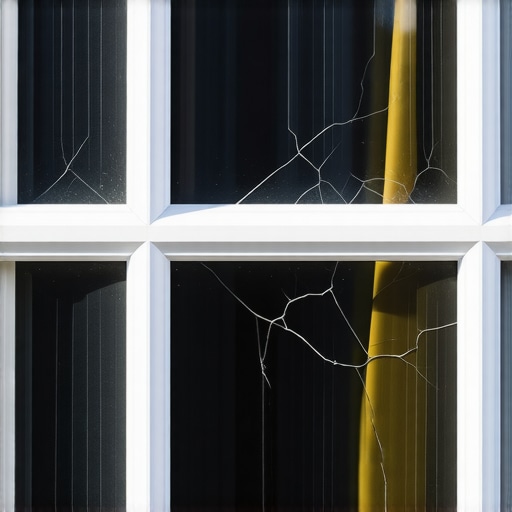
The Sound of Failure: Why Glass Cracks Matter
In twenty-five years of glazing, I have heard every sound a window can make. There is the rhythmic rattle of a loose sash in a 1920s bungalow, the whistle of air escaping a failed weatherstrip, and then there is the sharp, gunshot crack of a glass pane undergoing extreme stress. To the average homeowner, a crack is a crack. To a master glazier, a crack is a diagnostic map. It tells a story of thermal physics, structural load, or perhaps just a stray pebble from a lawnmower. Understanding the difference between a cosmetic flaw and a structural warning sign is the difference between a simple window repair and the need to replace windows entirely across the whole facade.
I once pulled a series of casement windows out of a contemporary home where the headers were visibly sagging. The homeowner thought the glass was just low quality. In reality, the previous installer had relied entirely on the nailing fin for support, neglecting to properly shim the sill or provide adequate clearance in the rough opening. The header was literally resting on the top of the window frame, turning the glass into a load-bearing element. Glass is incredibly strong under compression, but it has zero tolerance for the shifting loads of a settling house. When the glass finally snapped, it wasn’t a defect; it was a cry for help from the building’s skeleton.
“Installation is just as critical as the window performance itself. A high-performance window installed poorly will fail.” – AAMA Installation Masters Guide
The Anatomy of a Stress Crack
Let’s zoom into the physics of the glass itself. Most modern windows are IGUs, or Insulated Glass Units. This is a sandwich of two or three panes separated by a spacer bar and sealed. When you see a crack that starts at the edge of the glass and meanders across the center in a wavy line, you are likely looking at a thermal stress crack. This occurs because of a temperature gradient. If you have heavy drapes closed on a cold day, the heat from your register gets trapped between the glass and the fabric. The center of the pane gets hot, expanding the glass, while the edges, tucked away inside the cool glazing bead and the frame, stay cold. This expansion creates tension. If that tension exceeds the edge strength of the glass, it yields.
This is where the “U-Factor” becomes your best friend. In northern climates, we prioritize a low U-Factor to keep heat inside. We use Low-E coatings on Surface #3 (the indoor-facing surface of the inner pane) to reflect long-wave infrared radiation back into the room. However, if that glass is not tempered or if the edges weren’t polished properly during manufacturing, that thermal bounce-back can actually create enough of a temperature delta to snap the pane. A cosmetic crack might be a small scratch on the surface from an over-aggressive window cleaner using a razor blade, but a thermal crack is an internal failure of the system.
Structural Red Flags: More Than Just the Glass
Structural cracks are rarely confined to the glass alone. If you notice that your operable windows—those that are meant to open and close—are suddenly sticking or binding, the glass crack is likely a symptom of a larger issue. When a house settles, the rough opening changes from a perfect rectangle to a trapezoid. Because the window frame is a rigid assembly, it tries to resist this change. You will see cracks appearing diagonally from the corners of the frame. This is a sign that the window repair you are considering might just be a temporary patch on a sinking ship.
Check the shims. A proper installation involves placing shims at specific intervals to ensure the frame remains plumb and level. If the installer skipped shims at the setting blocks, the weight of the IGU sits directly on the frame, which can cause the bottom rail to bow. This pressure eventually reaches the glass. If you are a homeowner, look for “daylight” around the edges of the sash. If the sash doesn’t sit square in the frame, your structural integrity is compromised. You aren’t just losing energy; you are inviting water to bypass your flashing tape and rot out the jack studs.
“Standard practice for installation of exterior windows requires that the fenestration product be installed level, plumb, and square within the rough opening.” – ASTM E2112
The Physics of the Seal: Why Fogging is a Structural Failure
Many people categorize a foggy window as a cosmetic nuisance. I disagree. In the glazing world, a failed seal in an IGU is a structural failure of the atmospheric barrier. Inside that spacer bar is a desiccant, a material designed to absorb trace amounts of moisture. Once the primary seal (usually polyisobutylene) or the secondary seal (silicone or polysulfide) fails, the desiccant becomes saturated. At this point, the “Dew Point” inside the window rises. When the temperature drops, the moisture condenses on the cold glass surface inside the unit. This isn’t just ugly; it destroys the window’s insulating value. The Argon or Krypton gas that was once there to slow down heat transfer has escaped, replaced by humid, conductive air. If you see “calcium deposits” or white streaks between the panes, the window repair ship has sailed. You need to replace windows to restore your thermal envelope.
Impact vs. Spontaneous Fracture
How do you tell if the neighbor’s kid hit it with a ball or if it broke on its own? Look for the “point of origin.” An impact crack will have a clear center point with radiating lines, often resembling a spiderweb. This is a cosmetic or accidental break. However, spontaneous fractures in tempered glass are a different beast. Tempered glass is under intense internal tension. A tiny inclusion of nickel sulfide, an impurity that can get into the glass during manufacturing, can slowly expand over years. Eventually, the internal stress becomes too much, and the entire pane explodes into thousands of small cubes. While it looks dramatic, this is often a manufacturing defect rather than a sign that your house is falling down.
Maintenance and the Role of the Window Cleaner
Regular maintenance is your first line of defense. A professional window cleaner does more than just remove dirt; they are often the first to notice the start of a hairline fracture or a failing glazing bead. The glazing bead is the strip of plastic or wood that holds the glass in the sash. If this becomes brittle or cracks, water can seep into the glazing pocket. In cold climates, this water freezes, expands, and exerts massive pressure on the edge of the glass. This is a prime recipe for a crack that starts at the bottom and works its way up. Keeping those weep holes clear—those small slots at the bottom of the frame designed to let water out—is critical. If they are clogged with debris, the frame fills with water, the wood rots, or the vinyl becomes a swimming pool, leading to premature failure of the IGU seals.
Conclusion: The Professional Verdict
If you find a crack, don’t just reach for the caulk. Examine the geometry. If the crack is a single, clean line that starts at the edge, check your thermal loads. If the crack is part of a larger pattern of the window sticking, the frame warping, or the mitered corners of the vinyl frame pulling apart, you have a structural problem. My advice has always been the same: don’t wait for the glass to fall out of the sash. A compromised window is an open invitation for moisture to enter your wall cavity, leading to mold and rot that costs ten times more than a new window. Address the physics of your home today, or the building will eventually address them for you in a much more expensive way. Always consult a specialist who understands that a window is a complex system of water management and thermal control, not just a piece of glass in a hole.