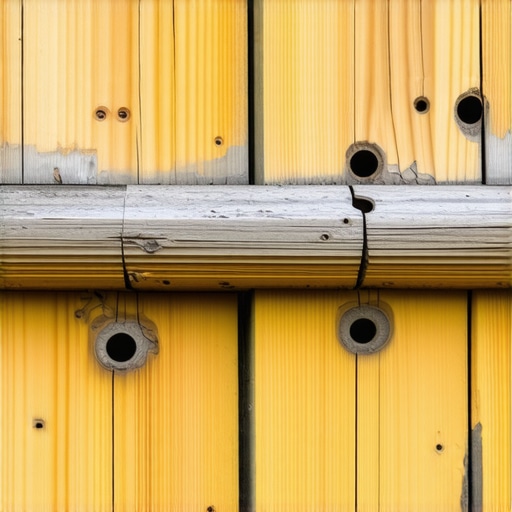
In the world of high-performance fenestration, we often obsess over U-factors and solar heat gain coefficients, yet the most sophisticated glazing system in the existence of residential architecture is worthless if the structural substrate is being devoured from the inside out. As a master glazier with a quarter-century in the field, I have seen multimillion-dollar projects compromised by insects that measure less than half an inch. Wooden window frames, particularly those constructed from non-heartwood species or improperly treated pine, represent a primary target for subterranean and drywood termites. The window unit is a unique intersection of moisture, warmth, and cellulose, creating a micro-ecosystem that acts as a beacon for wood-destroying organisms. Understanding the mechanics of how these pests infiltrate the rough opening is the only way to prevent a catastrophic structural failure that necessitates a full-frame replacement.
I once pulled a series of double-hung wood windows out of a historic home in Savannah, Georgia, where the homeowner complained of a slight sticking in the sash. As I applied the pry bar to the exterior casing, the wood did not resist; it collapsed into a fine, fibrous dust. The previous installer had relied entirely on a bead of cheap latex caulk rather than proper flashing tape and a sill pan. This oversight allowed moisture to pool behind the brick mold, creating a damp environment that invited a subterranean colony to move in. By the time I arrived, the jack studs and the header were virtually hollow. The termites had utilized the window frame as a primary thoroughfare to reach the second-floor joists. This is the reality of the caulk-and-walk mentality: it does not just lead to drafts; it leads to the structural disintegration of your home.
“Installation is just as critical as the window performance itself. A high-performance window installed poorly will fail.” – AAMA Installation Masters Guide
The Mechanics of Termite Infiltration in Fenestration
To understand why termites target windows, we must zoom into the cellular structure of the wood. Wood is composed primarily of cellulose, hemicellulose, and lignin. Termites possess specialized protozoa in their digestive tracts that allow them to break down these complex carbohydrates. In a window assembly, the rough opening provides the perfect thermal bridge and moisture trap. When we talk about window repair, we are often talking about managing the moisture content of the wood. If the moisture content exceeds 20 percent, the wood reaches a fiber saturation point where the cell walls are fully hydrated. This softens the lignin, making it significantly easier for termite mandibles to excavate galleries along the grain. Subterranean termites require constant contact with soil moisture, so they construct mud tubes, which are earthen conduits made of soil, saliva, and fecal matter. These tubes are often hidden behind the exterior siding or within the weight pockets of old rope-and-pulley windows.
Drywood termites, conversely, do not require soil contact. They enter the window frame through tiny gaps in the glazing bead or cracks in the paint. They are particularly fond of the meeting rail and the sill, where water tends to linger. When a window cleaner notices small, sand-like pellets on the interior sill, they are actually seeing frass, which is termite excrement. This is often the first and only sign of a drywood infestation before the sash becomes structurally unsound. A professional window cleaner who is trained to look for more than just streaks can be an invaluable asset in early detection, as they frequently interact with the delicate interface between the glass and the wood frame where these signs first appear.
The Sound Test and Structural Integrity
Identifying damage requires more than a cursory glance. You must perform a mechanical autopsy of the frame. I use a 14-ounce finish hammer to perform a sound test across the entire perimeter of the window. A healthy wooden frame should produce a sharp, solid thud. If you encounter a dull, hollow sound, the internal structure has been compromised. In these areas, a simple probe with a flathead screwdriver will often reveal the extent of the galleries. If the screwdriver sinks into the wood with minimal pressure, you are no longer looking at a window repair; you are looking at a full-frame replacement. At this stage, the load-bearing capacity of the window header may be in jeopardy, especially if the termites have transitioned from the frame into the rough opening framing members.
“The flashing system must be integrated with the water-resistive barrier to ensure that any water entering the assembly is directed to the exterior.” – ASTM E2112 Standard Practice
Physics of Prevention: Sill Pans and Flashing Tape
The best defense against termites is a rigorous moisture management strategy. When we replace windows, we do not just drop a new unit into the hole. We must create a capillary break. This starts with the sill pan, a three-sided flashing component that sits at the bottom of the rough opening. The sill pan must be sloped toward the exterior to ensure that any water that bypasses the primary seals is evacuated via the weep holes or the exterior drainage plane. Without a sill pan, water saturates the sub-sill, which is the most common entry point for termites. We also utilize high-performance flashing tapes that create a gasket-like seal around the nailing fin. This prevents air infiltration and moisture migration, effectively sealing off the cellulose from the environmental factors that attract pests.
For those in high-risk climates, the choice of wood species is critical. While Ponderosa Pine is common in the window industry due to its workability and cost, it has very little natural resistance to rot or insects unless it is vacuum-pressure treated with borates. Borates are a glazier’s best friend; they are toxic to termites but relatively safe for humans. If you are opting for a wood window, ensure it has been treated with a deep-penetration preservative. Alternatively, fiberglass frames offer a compelling solution for homeowners who want the aesthetic of wood without the biological vulnerability. Fiberglass is dimensionally stable, meaning it does not expand and contract like vinyl, and it offers no nutritional value to termites.
The Role of the Window Cleaner and Routine Maintenance
Maintenance is not just about aesthetics; it is about preservation. A routine window cleaner is often the first person to notice the subtle bubbling of paint that indicates moisture trapped within the wood. This bubbling, often mistaken for simple weathering, can be a sign of termite activity underneath the paint film. Termites will eat the wood right up to the paint, leaving a paper-thin layer that eventually blisters. If you see this, do not just scrape and paint. You must investigate the substrate. Furthermore, ensuring that the weep holes are not clogged with debris is essential. Clogged weeps cause water to back up into the glazing channel, saturating the wood glazing bead and creating a prime environment for drywood termites. Proper window repair involves not just fixing the wood, but restoring the entire drainage system of the window assembly to its original architectural intent.
Final Verdict on Replacement versus Repair
If the termite damage is localized to a single sash or a small section of the exterior trim, a repair using epoxy consolidants and wood fillers may be feasible. However, if the damage has reached the jambs or the sill, the structural integrity of the window is gone. In these cases, to replace windows is the only responsible course of action. A pocket replacement, where a new window is slid into the existing frame, is often insufficient if termites have been present, as it leaves the damaged outer frame in place. A full-frame tear-out is required to inspect the rough opening and ensure the termite colony has been eradicated and the structural framing is sound. Do not settle for a quick fix. A window is a complex piece of engineering designed to manage the boundary between your controlled interior environment and the chaotic exterior. If the frame is compromised, the entire system fails. Invest in proper installation, high-quality materials, and regular inspections to keep your home’s fenestration secure for the long haul. [{“@context”:”https://schema.org”,”@type”:”HowTo”,”name”:”How to Spot Termite Damage in Wooden Window Frames”,”step”:[{“@type”:”HowToStep”,”text”:”Perform a visual inspection of the interior and exterior sills for mud tubes or small sand-like pellets (frass).”},{“@type”:”HowToStep”,”text”:”Conduct a sound test by tapping the frame with a hammer to identify hollow spots in the wood substrate.”},{“@type”:”HowToStep”,”text”:”Probe any suspicious or soft areas with a screwdriver to check for internal galleries and structural degradation.”},{“@type”:”HowToStep”,”text”:”Check for bubbling or blistering paint which may indicate termites have eaten the wood directly beneath the surface.”}],”totalTime”:”PT30M”}]