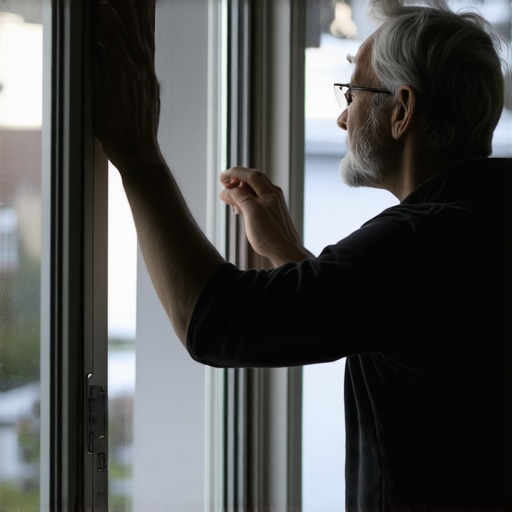
In my twenty-five years of staring through glass and managing the rough opening tolerances of thousands of structures, I have learned one immutable truth: a window is a mechanical system, not just a transparent barrier. When an operable sash refuses to move past its midpoint, most homeowners immediately assume a structural failure or a broken component that requires a costly window repair or a complete decision to replace windows. However, the physics of a sticking window often points to a simpler misalignment or a failure in the maintenance of the glazing bead and track system. Before you reach for a screwdriver or call a technician, you must understand the interplay of friction, thermal expansion, and mechanical balance.
A homeowner called me in a panic because their new windows were sweating and the lower sash would only move four inches before hitting a hard stop. I walked in with my hygrometer and showed them the humidity was 60 percent. It wasn’t the windows; it was their lifestyle. But more importantly, that high humidity had caused the wooden components of the sash to swell ever so slightly, while a buildup of kitchen grease had turned the track into a literal adhesive. I didn’t need a tool bag; I needed a lesson in physics and a proper cleaning technique. This is the reality of residential glazing: most issues are symptomatic of environmental conditions rather than catastrophic hardware failure. [IMAGE_PLACEHOLDER]
The Anatomy of Resistance: Why Sashes Bind
To fix an operable window without tools, you must first diagnose the friction point. In a double-hung window, the sash is held in place by a balance system. This could be a constant force balance (a coiled spring), a block-and-tackle system, or an older spiral balance. When you attempt to lift the sash and it stops halfway, you are likely encountering one of three issues: a disengaged balance shoe, a fouled track, or a sash that has jumped its vertical alignment.
“Installation is just as critical as the window performance itself. A high-performance window installed poorly will fail.” – AAMA Installation Masters Guide
In Northern climates where heat loss and condensation are the primary enemies, the U-Factor is king. We often see triple-pane units with argon gas fills and Low-E coatings on Surface #3 to reflect heat back inside. However, these heavier glass packages put immense strain on the balance system. If the sash is not perfectly centered in the rough opening, the extra weight causes the sash to tilt. A tilted sash will bind against the jamb liner, creating a mechanical lock that no amount of force will overcome. If you are in a cold region like Chicago or Minneapolis, the thermal contraction of the vinyl frame during a deep freeze can also tighten the tolerances, making even a minor obstruction feel like a permanent blockage.
The Toolless Troubleshooting Protocol
The first step is a thorough inspection of the track using a high-quality window cleaner. Grime, pet hair, and even excessive paint overspray act as a brake on the sash’s movement. Spray the cleaner onto a microfiber cloth rather than directly into the track to avoid saturating the balance springs. Wipe the vertical tracks from top to bottom. If you feel a physical obstruction, it may be the glazing bead—the small strip of plastic or wood that holds the glass in the sash—has popped out of its groove. Press firmly along the perimeter of the glass to ensure the bead is seated. If the bead is protruding, it will catch on the frame as the sash moves upward.
Next, we address the balance shoe. In most modern vinyl windows, the sash can tilt inward for cleaning. Tilt the sash to a 90-degree angle. Look at the pins on the side of the sash that connect to the tracks. These pins sit in ‘shoes’ that slide up and down. If one shoe is higher than the other, the sash is racked. To fix this without tools, you can often reset the shoe by tilted the sash, ensuring both pins are firmly seated in their respective shoes, and then snapping the sash back into the vertical position with a firm, even motion. This realigns the constant force springs and often restores full range of motion.
Thermal Physics and Frame Expansion
In regions where the temperature swings 60 degrees in a single day, the materials of your window are constantly in motion. A vinyl frame has a high coefficient of thermal expansion. If the installer didn’t leave enough of a gap in the rough opening or if they over-shimmed the side jambs, the frame will bow inward as it heats up. This ‘hour-glassing’ effect pinches the sash in the middle of the frame.
“Proper flashing and integration with the water-resistive barrier are essential to prevent moisture-related failures that can lead to structural degradation and mechanical binding.” – ASTM E2112 Standard Practice
If your window opens halfway and then stops during the hottest part of the day but works fine at night, you are dealing with thermal bowing. While the permanent fix involves a structural adjustment (often requiring you to replace windows if the bowing is permanent), a temporary toolless fix is to reduce the friction. A dry silicone spray is the glazier’s secret weapon, but in a pinch, even a bit of paraffin wax rubbed along the track can reduce the coefficient of friction enough to allow the sash to pass through the pinched zone. Never use petroleum-based lubricants like WD-40, as they will degrade the vinyl and attract the very grit you are trying to avoid.
The Myth of Energy Savings vs. Mechanical Integrity
Many homeowners are sold on the idea that they must replace windows to save money on heating bills. While a new triple-pane unit with a low U-Factor and a warm-edge spacer will certainly reduce the conductive heat loss, the ROI often spans decades. The real value in a window repair or replacement is comfort and operability. A window that only opens halfway is a safety hazard, particularly regarding egress requirements in bedrooms. If the internal balance system has actually snapped—identifiable by a loud ‘pop’ followed by a sash that feels heavy or won’t stay up—the toolless fix is no longer an option. However, 90 percent of the ‘broken’ windows I see are simply victims of neglect and poor cleaning habits. By maintaining the weep holes and ensuring the sash is square within its frame, you can extend the life of your glazing by decades. Water management is a science; if your weep holes are clogged with debris, water backs up into the sill pan and can eventually cause the bottom rail of the sash to delaminate, leading to the very friction issues we are discussing.