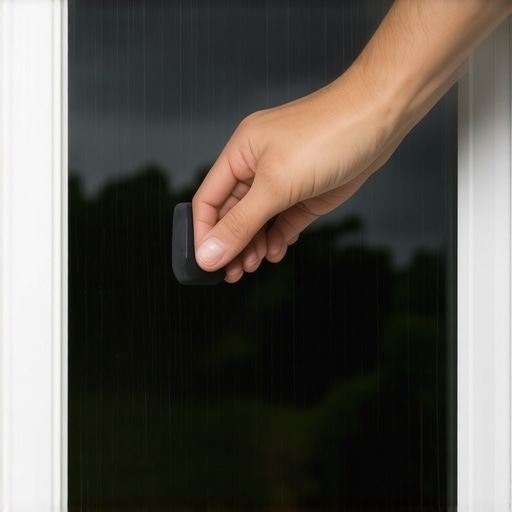
The Anatomy of the Storm Rattle
That rhythmic clack-clack-clack during a thunderstorm is more than just a nuisance; it is a diagnostic signal that your window unit is failing to maintain its structural seal. As a glazier with over two decades in the field, I have seen homeowners try to solve this with everything from folded cardboard to duct tape. The reality is that a rattling window is often a symptom of mechanical bypass where wind pressure differentials are physically moving the sash within the frame. When high-velocity wind hits the glass, it creates a positive pressure on the exterior. Because the interior of your home is a lower pressure environment, the window assembly acts as a valve. If there is any tolerance gap in the sash-to-frame interface, the wind will vibrate the unit as it attempts to equalize. This is not just about noise; it is about the eventual failure of the glazing bead and the degradation of the rough opening due to air infiltration.
The Narrative Matrix: A Diagnosis of Neglect
I remember a call-out in a coastal town during a particularly nasty northeaster. The homeowner was in a panic because their master bedroom windows sounded like a snare drum. I walked in with my hygrometer and a feeler gauge, and within seconds, I showed them the issue. It was not the glass itself; it was the fact that the previous installer had failed to use enough shims to square the frame. The window was bowed just enough that the sash locks could not pull the meeting rail tight. It was a classic case where a simple window repair could have prevented years of frame stress, but because the installation was flawed from day one, the only real solution was to pull the unit and start over. They were looking for a window cleaner to wipe away the streaks, but what they really needed was a structural intervention.
Understanding the Physics of the Window Sash
To silence a window, you must understand the interaction between the sash and the frame. In an operable unit, whether it is a double-hung or a casement, the sash must be able to move freely while remaining airtight when closed. This balance is maintained by weatherstripping and the locking mechanism. When a storm hits, the wind load exerts hundreds of pounds of pressure. If the sash is loose, it vibrates against the stops. This vibration can eventually loosen the glazing bead, which is the strip of plastic or wood that holds the glass pane in place. Once the glazing bead is compromised, you are no longer just dealing with noise; you are looking at potential glass breakage or water penetration that could rot the sill pan and the subfloor beneath it.
“Installation is just as critical as the window performance itself. A high-performance window installed poorly will fail.” – AAMA Installation Masters Guide
The Technical Fix: From Shims to Sash Locks
The first step in silencing a rattle is to inspect the sash locks. A high-quality cam-action lock does more than just secure the window against intruders; it pulls the sashes together and compresses the weatherstripping. If the lock is misaligned, the sash will sit loose. In many cases, the rattle occurs because the house has settled, and the rough opening is no longer perfectly square. This causes the frame to twist, pulling the weatherstripping away from the sash. You can often mitigate this by adding a thin layer of adhesive-backed foam or V-strip weatherstripping to the sash channels. However, this is a temporary fix. A permanent solution involves checking the shims behind the side jambs. If the frame is bowed, no amount of window repair will stop the rattle until the frame is straightened and re-secured to the studs.
The Role of Thermal Dynamics and Pressure
In colder climates, the rattle is often accompanied by a draft that carries a significant amount of heat. This is where the U-Factor becomes critical. A loose window allows for convective heat loss, which ruins the efficiency of even the most expensive triple-pane units. When you have a gap, you are effectively negating the benefits of the Argon gas fill and the Low-E coatings. The wind blowing through the gap carries moisture, which then condenses on the cold interior surfaces of the frame. This moisture can lead to mold growth behind the casing. If you are noticing a rattle, check your weep holes as well. If they are clogged, water can back up into the track, and the wind will blow that water into the house through the same gaps that are causing the rattle.
“The air leakage rate of a window is a primary indicator of its overall thermal integrity and resistance to environmental stressors.” – NFRC Performance Standards
When to Repair and When to Replace Windows
There comes a point where the cost of window repair exceeds the value of the unit. If the wood in the sash or the frame has become soft from years of moisture infiltration, the fasteners for the locks and hinges will no longer hold. This is common in older homes where the original wood windows have not been maintained. If the rattle is caused by the glass moving within the sash, you might be able to re-glaze the unit. However, if the entire frame is vibrating because the nailing fin has pulled away from the sheathing, it is time to replace windows. A modern replacement window, installed with proper flashing tape and a dedicated sill pan, will not only silence the storm but will also significantly improve the building envelope’s performance. When choosing a replacement, look for a high Design Pressure (DP) rating, which indicates how much wind load the unit can handle before it begins to leak air or water.
[IMAGE_PLACEHOLDER]
DIY Silence: Immediate Actions During a Storm
If you are currently in the middle of a storm and the noise is driving you mad, there are a few glazier tricks you can use. First, check if the sash is fully locked. Sometimes, a double-hung window looks closed, but the top sash has slipped down an eighth of an inch. Push the top sash up firmly before engaging the locks. If the rattle persists, you can temporary jam a small piece of wood or a plastic shim into the side channel to provide tension. This stops the vibration immediately. For the long term, consider the condition of your glazing. If the putty or the glazing bead is cracked, a bead of high-quality silicone can stabilize the glass. Just remember that a window cleaner will have a much harder time if you are messy with the sealant, so use a steady hand and a small bead.
The Importance of Professional Installation
I cannot stress enough that the performance of a window is 20 percent the product and 80 percent the installation. Even the best fiberglass or thermally broken aluminum frame will rattle if it is not shimmed correctly in the rough opening. A master installer will ensure that the window is level, square, and plumb, and that the flashing tape is integrated with the house wrap in a way that follows the shingle principle: always shedding water to the exterior. If you hire a professional for window repair or replacement, ask them about their methods for sealing the rough opening. If they reach for a can of high-expansion spray foam and nothing else, find a different installer. Proper air sealing requires a combination of backer rod, low-expansion foam, and high-quality sealants to ensure the unit remains quiet and efficient for decades.
Final Thoughts on Window Maintenance
A quiet home is a well-built home. By addressing the mechanical causes of a rattling window, you are protecting the structural integrity of your wall system. Regular maintenance, including cleaning the tracks, inspecting the weatherstripping, and ensuring the sash locks are tight, will prevent the need for premature replacement. Whether you are dealing with a historic wood window or a modern vinyl unit, the physics remains the same: keep the sash tight, keep the water out, and never ignore a rattle during a storm.