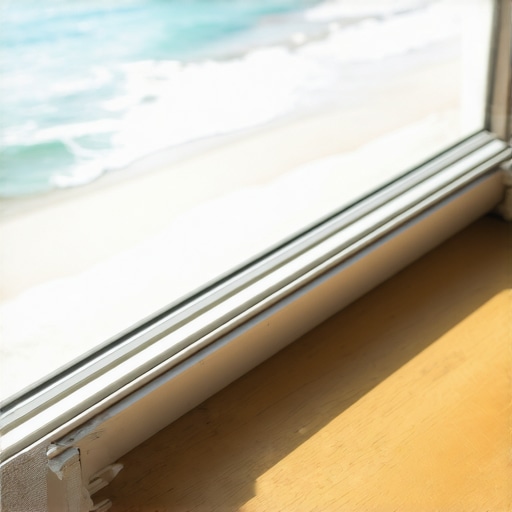
The Gritty Reality of Window Performance
As a master glazier with a quarter-century in the field, I have seen more failed sashes than I can count. Most homeowners assume a window fails because of the glass or the seal, but often the culprit is the mechanical interface of the track itself. When you live in a climate where the wind carries silica and fine particulates, your window tracks become a collection point for abrasive debris. This is not just an aesthetic issue; it is a mechanical catastrophe waiting to happen. The sound of sand grinding against a vinyl or aluminum track is the sound of your investment being destroyed. This guide is about more than just a quick window cleaner application; it is about protecting the operational integrity of your fenestration units.
The Florida Case Study: A Lesson in Erosion
I remember pulling a series of high-performance sliding glass doors out of a beachfront property in Jupiter, Florida, about a decade ago. The homeowner was furious because the units, which were less than five years old, required two hands and a shoulder lean just to budge. When I finally got the operable sash out of the frame, the stainless-steel track was physically galled. The previous installer had failed to explain the importance of clearing the weep holes. Sand had filled the sill pan, mixed with salt spray, and created a grinding paste that ate through the rollers. The header was fine, but the track was totaled. That project turned into a full-scale window repair that could have been avoided with fifteen minutes of maintenance twice a year. It was a classic example of why the environment dictates the maintenance schedule, not the warranty card.
“Installation is just as critical as the window performance itself. A high-performance window installed poorly will fail.” AAMA Installation Masters Guide
The Physics of the Weep Hole System
To understand why sand is your enemy, you have to understand the sill pan. In a modern window, the sill is designed to manage water. It is not a sealed box; it is a drainage system. The weep hole is the exit point for water that bypasses the primary gaskets. When sand enters the track, it migrates toward these weep holes. Once they are clogged, the sill pan fills with water. In a heavy summer storm, that water has nowhere to go but over the interior leg of the frame and into your rough opening. This is how you end up with rotted subfloors and moldy drywall. When people say they need to replace windows because of a leak, I often find that the window was fine, but the drainage logic was defeated by a handful of sand.
Why Sand Destroys Operable Sashes
Whether you have a single-hung, double-hung, or horizontal slider, the friction points are engineered to tight tolerances. Most rollers use a nylon or stainless-steel wheel. Sand acts as an industrial abrasive. Every time you slide that window open to catch a summer breeze, you are effectively sanding down the track. This increases the friction coefficient, which puts unnecessary stress on the sash balance or the motor in automated systems. In a high-heat environment, like the Southwest or the Southern coast, the thermal expansion of the frame already tightens these tolerances. Add sand to the mix, and you have a recipe for a frozen window. If you are noticing a catch or a skip when you move the sash, you have already moved past the point of simple cleaning and into the realm of potential window repair.
The Master Glazier’s Protocol for Track Maintenance
The secret is not a specialized chemical; it is a systematic removal process. Do not reach for the window cleaner first. Sprinkling liquid on sand just creates mud that hides in the corners of the glazing bead and the track. You must use a vacuum with a narrow crevice tool first. This removes the bulk of the dry particulates without pushing them deeper into the internal chambers of the frame. Only after the track is dry-vacced should you use a damp microfiber cloth. For the stubborn corners where the muntin meets the frame, a stiff-bristled nylon brush is essential. Avoid lubricants like WD-40. Traditional oils act as a magnet for more sand. If you must lubricate, use a dry-film silicone spray that leaves no tacky residue. This ensures that the sash moves freely without turning your window into a sand trap.
“Properly maintained fenestration products are essential to the energy efficiency and longevity of the building envelope.” NFRC Performance Guidelines
The Climate Factor: SHGC and Thermal Loads
In hot climates, the Solar Heat Gain Coefficient (SHGC) is the most important number on your NFRC label. You want a low SHGC to block the radiant heat from the sun. However, the performance of your Low-E coating, usually on Surface #2 for hot climates, is compromised if the window cannot close and seal properly. A track full of sand prevents the sash from fully engaging with the weatherstripping. This creates a gap where air infiltration occurs. This is why your AC bill spikes in the summer. You might have the best glass in the world, but if a half-inch of sand is preventing the interlock from meeting, you are losing money every hour. This is the difference between a glazier’s perspective and a salesman’s perspective. The salesman sells you the glass; the glazier looks at the seal.
When to Stop Cleaning and Start Repairing
There is a point where no amount of cleaning will save the unit. If you see visible daylight through the corners of the frame, or if the track itself has deep grooves cut into the metal or vinyl, the structural integrity of the drainage system is compromised. At this point, you need to consult a professional for window repair or a full-frame replacement. A pocket replacement might be tempting because it is cheaper, but if the original rough opening has water damage from years of clogged weep holes, you are just covering up a structural failure. A full-frame replacement allows us to inspect the flashing tape and ensure the sill pan is correctly integrated with the house wrap. It is the only way to be 100 percent sure your home is protected.
Final Technical Inspection
As the summer heat intensifies, take a moment to inspect your windows. Open each operable sash and look at the track. Is the weep hole clear? Is the glazing bead seated firmly? If you see sand, clear it. If you see damage, address it. A window is a complex piece of engineering that separates your controlled indoor environment from the chaos of the outdoors. Treat it with the same respect you would give any other mechanical system in your home. Maintaining those tracks is the simplest way to avoid an expensive bill to replace windows prematurely. Keep it clean, keep it dry, and keep the sand on the beach where it belongs. “