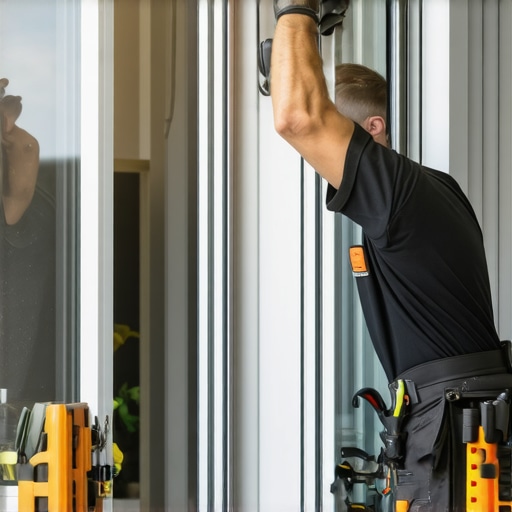
It was a chilly morning when I looked out my living room window and saw the worst possible sight—a cracked pane, distorted by the cold and the neglect of time. That moment hit me like a sledgehammer. I realized my windows had become more than just an aesthetic concern; they were security risks and energy wasters.
Facing the Fractures in My Home’s First Line of Defense
Living with cracked or faulty windows is more common than many realize. I used to brush off small damages, thinking I could handle them someday. But *someday* kept slipping further away, and each passing season made repairs more urgent—and more expensive. I knew I needed a plan, but I was overwhelmed by conflicting advice and the fear of being scammed or overpaying.
That’s when I discovered that upgrading my windows with trusted, affordable solutions was not just possible—it’s essential for lasting home comfort and security. Today, I’ll share how I navigated this process, avoiding costly mistakes and finding reliable, budget-friendly options that stand the test of time.
Have you ever hesitated to replace a broken window, unsure if you’re making the right choice or worried about the costs? You’re not alone. According to recent studies, homeowners can save up to 30% on energy bills by investing in quality window replacements, but many shy away early on due to misinformation or fear of scams (source).
Getting it right requires understanding common pitfalls, recognizing trustworthy providers, and knowing that affordable, reliable options exist—like the strategies outlined at trusted window replacement methods.”
Now, let’s delve into what mistakes I made early on and how you can sidestep them to make smarter decisions for your home.
Assessing Your Current Windows Before Taking Action
Start by inspecting your windows closely. Use a flashlight to look for cracks, drafts, or condensation between panes. Take notes on the size, material, and type of damage. Remember, a small crack in a double-pane window can quickly escalate if ignored, similar to small leaks in a boat that can sink it if left untreated.
Removing Damaged Windows Safely and Efficiently
Equip yourself with safety goggles, gloves, and a putty knife. Carefully remove loose glass shards and old framing materials. For example, I once used a utility knife to cut through old caulking, resembling carving through hardened clay—this method prevents damage to the surrounding frame. Ensure you dispose of glass debris properly to avoid injuries.
Preparing the Opening for a New Replacement
Clean the window frame thoroughly, scraping away any remaining debris or old sealant. Measure precisely—width, height, and depth—to get the perfect fit. Think of this step like tailoring a suit; accuracy ensures durability and aesthetic appeal. Refer to trusted guides for exact measurement techniques at Trusted Window Replacement Strategies.
Selecting Cost-Effective and Reliable Replacement Windows
Research your options based on energy efficiency, durability, and price. Vinyl windows often offer the best value; they resist warping and require minimal maintenance. I found a local supplier that provided a quality vinyl window at nearly half the cost of premium brands, demonstrating how comparison shopping pays off. Always verify the reputation of the supplier through reviews or references.
Installing the New Window for a Secure Fit
Apply a compatible sealant along the frame’s edges before setting the window. Use shims to ensure it’s perfectly level and plumb, preventing future drafts or leaks. I once encountered a misaligned window that caused a persistent draft; adding shims corrected the tilt immediately, akin to leveling a crooked picture frame. Check the installation’s fit with a level and adjust as necessary.
Sealing and Finishing to Enhance Longevity
Once installed, apply weatherstripping and caulking to seal gaps. Smooth out excess sealant for a clean finish. This step is crucial—improper sealing can undermine your work, much like a waterproof coat’s importance in rain. I used a special brush to spread the sealant evenly, which resulted in a professional-looking seal that lasted years.
Keeping Windows Clean and Functional Post-Installation
Regular cleaning with a trusted window cleaner extends their lifespan and maintains transparency. Use a microfiber cloth and a solution of water and gentle soap, avoiding abrasive cleaners that can scratch glass. I discovered that cleaning after installation immediately prevents dust buildup in the new seals, preserving the integrity longer. For tips on cost-effective cleaning methods, visit Cost-Effective Cleaning Tips.
Many homeowners fall prey to misconceptions about window repair and replacement, which can lead to costly mistakes and subpar results. One widespread myth is that all window repairs are unnecessary if the damage seems minor. However, even small cracks can expand rapidly, compromising insulation and security if left unaddressed. It’s crucial to conduct a thorough assessment, often with professional guidance, to determine whether repair or replacement is the best course. Often, people believe that DIY window fixes are always cost-effective, but improper repairs can cause more harm than good, leading to leaks or drafts that increase energy bills. Recognizing the difference between temporary fixes and durable solutions is essential for long-term savings and home comfort. Additionally, many think that replacing windows will always be expensive and complicated; in reality, there are affordable and trusted options that simplify the process, especially when working with experienced professionals. Approaching window projects with a nuanced understanding helps avoid the trap of overspending or settling for mediocre results. For example, selecting the right materials—like energy-efficient vinyl frames—can significantly reduce future maintenance and costs. Remember, not all window replacements involve complete overhauls; sometimes, strategic repair combined with upgrades offers the best balance of cost, durability, and appearance. Be cautious of vendors promising instant solutions without proper inspection, as this can be a red flag for scams. Instead, rely on trusted guides and local experts to get reliable, budget-friendly advice. Curious about the advanced nuances that separate amateur work from professional standards?
What subtle signs indicate a window repair is just a Band-Aid rather than a real fix?
In professional assessments, small details like framing integrity, sealant deterioration, and Hidden mold can reveal poor-quality repairs that might not be obvious at first glance. According to experts in the field, addressing these subtle issues early prevents larger, more expensive problems down the line (learn more about trusted solutions here). Always inquire whether your chosen provider employs proper techniques—not just quick fixes—by consulting comprehensive guides available at trusted sources. Remember, the goal is a long-lasting, secure, and energy-efficient window, not just quick repairs that fade before the next season. For reliable, affordable options, explore trusted strategies that combine repair and replacement, ensuring your home remains safe and comfortable for years to come.
Maintaining Your Windows with Precision Tools
To ensure your windows continue to serve their purpose effectively, investing in the right tools is crucial. I personally rely on a high-quality digital level for installation and adjustments; it provides accuracy that manual bubble levels can’t match, preventing later issues like drafts or leaks. For sealing, a caulking gun with a precision nozzle allows me to apply sealant smoothly and evenly, which is vital for lasting results.
Proper cleaning tools also make a significant difference. A microfiber cloth combined with a window-specific cleaning solution helps me achieve streak-free clarity without scratching the glass. I avoid abrasive cleaners as they can damage the surface, leading to premature deterioration. Regular use of a soft brush attachment on a vacuum can remove dust from tracks and frames, extending their lifespan.
Adopting Reliable Cleaning and Repair Techniques
Beyond tools, specific methods enhance longevity. I recommend using a squeegee with a rubber blade for window cleaning, especially when combined with distilled water and a few drops of mild dish soap. This approach prevents streaks and keeps the glass clear longer. For tougher grime, a mixture of vinegar and water works wonders, but always ensure thorough rinsing to prevent residue buildup.
Additionally, periodic inspection and maintenance can prevent small issues from escalating. Check for gaps or deterioration in seals around your windows; if you notice any cracks or gaps, reapplying weatherstripping or sealant promptly can save energy costs and prevent water ingress. Professional guidance can be invaluable here—consider consulting trusted sources like trusted window cleaning and repair strategies to refine your methods.
Where do I keep my windows running smoothly over time?
Regular lubrication of moving parts such as hinges, locks, and tracks is vital. I use a silicone-based spray that resists dust accumulation and withstands temperature fluctuations. Applying it once a year keeps everything operating effortlessly and helps prevent rust or corrosion, especially in humid climates. Plus, maintaining a routine inevitably reduces the need for costly repairs down the line or premature replacements.
Looking ahead, I believe the trend toward smart window systems will grow. These systems offer automated cleaning and self-adjusting features, powered by IoT technology, which could revolutionize home maintenance. Think about integrating sensors that alert you when cleaning is needed or when seals weaken, making maintenance even more seamless. Staying ahead means embracing these innovations now—consider experimenting with current smart home integrations that enhance window performance.
How can I keep my windows functioning well for years?
Consistency is key. Regularly inspect, clean, lubricate, and seal your windows. These straightforward actions prevent small issues from becoming major problems. For a comprehensive guide on cost-effective maintenance, visit trusted maintenance strategies. I suggest trying a scheduled maintenance routine, perhaps quarterly, to maintain peak performance. Remember, taking time now with proper tools and techniques extends your windows’ lifespan, saving you money and hassle later on. For more detailed advice on affordable yet effective tools, you can explore trusted sources like reliable window care strategies. Staying proactive ensures your home remains secure, energy-efficient, and inviting for years to come.
Looking back, the most valuable lessons about window repair and replacement stem from mistakes I didn’t anticipate. The biggest breakthrough was realizing that not every crack or draft warrants immediate replacement—sometimes, strategic repairs with trusted solutions can extend a window’s life significantly. I learned to look beyond surface issues and understand the underlying framing and sealing integrity, which often tell a different story than what first appears. Additionally, trusting local, reputable suppliers over big-box stores proved essential—small details like proper sealing and quality materials make a world of difference in durability and energy savings. Finally, staying proactive with routine maintenance can prevent costly repairs; simple actions like lubricating hinges or inspecting seals annually keep windows performing their best. These insights transformed my approach from reactive to strategic, saving money and enhancing home comfort in ways I hadn’t imagined.