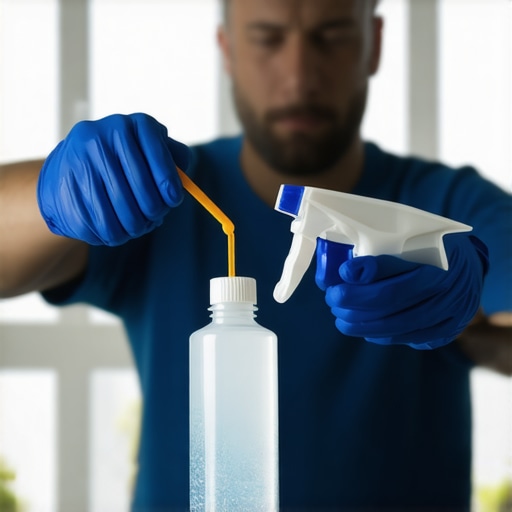
The Microscopic Reality of Glass Maintenance
In the world of high-performance fenestration, we often treat glass as an inert, smooth surface. It is anything but. After twenty-five years in the field, I have seen every failure imaginable, from catastrophic seal blowouts to the slow, agonizing rot of a window sash. But the most common issue I encounter in 2026 is not structural failure; it is surface degradation. A homeowner called me in a panic because their new windows were ‘sweating’ and had developed a persistent, milky haze that no amount of scrubbing could remove. I walked in with my hygrometer and a 50x jeweler’s loupe. I showed them the humidity in the room was a staggering 60 percent, but the real culprit was the haze. It was actually calcium carbonate etched into the silica because of a poorly formulated window cleaner that lacked a proper protective buffer. It wasn’t the windows; it was their maintenance protocol and their lifestyle. This is why the most seasoned glazing professionals are no longer just using soap and water. They are adding a $3 polymer bead to their window cleaner mix to change the very physics of the glass-to-water interface.
The Science of the Sacrificial Layer
When we talk about window repair or the decision to replace windows altogether, we are often talking about the failure of the glazing system to manage environmental stress. Glass is naturally porous at a molecular level. Under a microscope, float glass looks like a series of jagged mountain ranges. These voids are the perfect landing spots for ionized minerals, acid rain, and bird droppings. Once these contaminants sit in those microscopic valleys, they begin a chemical reaction with the silica. The $3 polymer bead, typically a concentrated aqueous solution of modified polysiloxanes, acts as a sacrificial layer. It fills these voids, creating a covalent bond with the glass surface that lowers its surface energy.
“Installation is just as critical as the window performance itself. A high-performance window installed poorly will fail.” AAMA Installation Masters Guide
While that AAMA quote focuses on the Rough Opening and the Sill Pan, we must extend that logic to the glass itself. A high-performance Low-E coating is useless if the exterior surface of the glass is so pitted and occluded that it scatters light rather than transmitting it. By adding these polymers to a window cleaner, the pro is essentially performing a micro-level window repair with every wipe. The polymer aligns itself into a hydrophobic barrier, causing water to bead and roll off, taking the minerals with it before they can etch the surface.
Thermal Stress and the SHGC Factor
In warmer climates, particularly in the South, the Solar Heat Gain Coefficient (SHGC) is the primary metric we care about. We want to block that radiant heat before it ever enters the building envelope. This is why we place the Low-E coating on Surface #2 (the inner face of the outer pane). However, the exterior surface (Surface #1) still takes a beating from UV radiation and thermal expansion. When the sun hits a window in Phoenix or Miami, the glass expands. If that glass is dirty and the contaminants are locked into the pores, the thermal stress is uneven. This can lead to stress cracks that originate near the Glazing Bead.
Using a polymer-enhanced window cleaner reduces the thermal absorption of surface contaminants. Clean glass reflects more efficiently. When you replace windows with high-end, thermally broken aluminum frames or fiberglass sashes, you are investing in a system designed to handle specific design pressures. Maintaining the glass surface integrity ensures that the Sash remains balanced and that the Operable parts of the window don’t have to fight against the friction of grit and grime that has migrated into the tracks.
Why U-Factor Still Matters in the Maintenance Conversation
While the polymer bead helps with SHGC by keeping Surface #1 clean, it also plays a role in the perceived U-Factor of the unit. The U-Factor measures the rate of heat loss. In colder climates, we worry about the glass surface temperature dropping below the dew point, which leads to condensation. If the glass surface is rough and dirty, it provides more surface area for water molecules to cling to, accelerating the cooling effect through evaporation. A polymer-treated surface is so smooth that water cannot gain a foothold. This reduces the localized cooling on the glass, keeping the interior surface slightly warmer and pushing the dew point further away from the glass face.
“The NFRC rating system provides a reliable way to compare the energy performance of windows, but these ratings assume the glass surface remains in its manufactured state.” NFRC Performance Standards
This is the key. Once a window leaves the factory, its performance begins to degrade. The 2026 pro knows that a $3 additive in the bucket can preserve that factory-spec performance for decades. They aren’t just cleaning; they are glazing the glass with a microscopic shield.
Technical Application: The Rough Opening and Beyond
When I am on a job site supervising an installation, I watch the Shim placement and the Flashing Tape application like a hawk. I ensure the Weep Hole is clear and the Muntin bars are aligned. But the final step is always the first cleaning. This is when the polymer bead is most effective. Applying it to the virgin glass after the protective film is peeled off ensures that the polymer bonds directly to the fresh silica. If you wait until the window is five years old and already pitted, you are just filling in the damage rather than preventing it.
For those performing a window repair, such as replacing a broken Sash or a fogged Insulated Glass Unit (IGU), the polymer bead is a secret weapon to make the new glass match the sheen of the old glass. It levels the refractive index across the surface, hiding the minor variations in the glass batch. It is a level of precision that separates the true craftsmen from the guys who just throw a window in a hole and cover the gaps with a thick bead of caulk.
The Long-Term ROI of Surface Management
We often talk about the ROI of replace windows projects in terms of energy bills. But the real ROI is in the lifespan of the components. A window that stays clean longer requires less frequent physical scrubbing. Scrubbing, especially with abrasive pads or harsh chemicals, eventually wears down the Glazing Bead and can damage the seals of the IGU. By using a polymer-based window cleaner, you reduce the mechanical friction required to maintain the home. This preserves the Operable hardware and keeps the Sill Pan free of the sludge that forms when dirt and water mix and bake in the sun.
In 2026, we don’t just look at the window as a static object. We look at it as a dynamic filter for the environment. Whether you are dealing with the intense SHGC requirements of the desert or the U-Factor demands of the north, the glass is your first line of defense. That $3 polymer bead is the cheapest insurance policy you can buy to ensure that defense never wavers. Don’t fall for the high-pressure sales pitch of the ‘miracle’ window that never needs cleaning. Buy a quality window, install it with precision using proper Shims and Flashing Tape, and then treat the glass with the respect its molecular structure deserves.