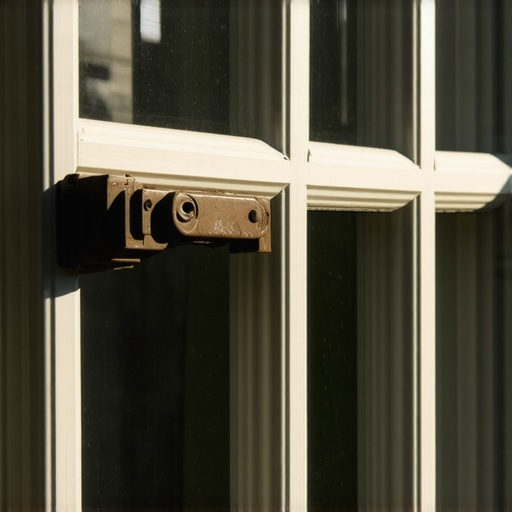
The Anatomy of a Squeak: Why Your Sash is Screaming
When a homeowner hears a high pitched screech or a rhythmic groan while operating a double hung or sliding window, their first instinct is often to reach for a can of whatever lubricant is under the kitchen sink. As someone who has spent over two decades in the glazing trade, I can tell you that a squeak is rarely just a lack of oil. It is a mechanical cry for help. It is the sound of friction winning a battle against your window’s design. Whether it is a vinyl unit struggling with thermal expansion or a historic wood sash fighting against seasonal humidity, that noise indicates that the tolerances within the rough opening are being challenged. A window should operate with a specific amount of force, usually measured in pounds of pull. When that force increases due to friction, the components start to vibrate, creating the auditory annoyance we call a squeak.
The Condensation Crisis: A Narrative of Friction
A homeowner called me in a panic because their new windows were ‘sweating’ and had started making a horrific grinding noise every time they tried to open them for fresh air. I walked in with my hygrometer and showed them the humidity was 60 percent. It wasn’t the windows; it was their lifestyle choices combined with a lack of ventilation. In this specific case, the high interior moisture was causing the wood components of their premium clad windows to swell just enough to compress the weatherstripping beyond its design limit. The squeak wasn’t a manufacturing defect. It was the sound of wood fibers expanding and rubbing against the jamb liners. This is a classic example of why understanding the environment is just as important as understanding the hardware. If we had just lubricated the tracks, the problem would have returned within a week. We had to address the moisture levels to return the wood to its original dimensions.
Thermal Expansion and the Physics of Noise
To understand why windows squeak, we must look at the science of materials. In many modern homes, we see vinyl frames. Vinyl has a high coefficient of thermal expansion. In a climate where the sun beats down on a dark colored vinyl frame, that material can expand significantly. If the installer did not leave enough room in the rough opening, or if they over shimmed the unit, the frame has nowhere to go but inward. This ‘bowing’ of the jambs puts immense pressure on the sash. When you try to move that sash, the friction between the glazing bead and the jamb liner creates a shrill squeak. This is particularly common in the South where solar heat gain is the primary enemy. In these hotter climates, the Low-E coating is typically placed on Surface #2 of the glass to reflect heat back outside. However, if the frame itself is absorbing that radiant energy, the structural integrity of the vinyl can soften, leading to increased friction points.
“Installation is just as critical as the window performance itself. A high-performance window installed poorly will fail.” AAMA Installation Masters Guide
The Role of the Window Cleaner and Proper Maintenance
Many homeowners ignore the importance of a professional window cleaner in the longevity of their hardware. A squeak is often the result of microscopic particulates, such as salt spray in coastal areas or fine dust in arid regions, getting trapped in the track. These particles act like sandpaper. Every time you open the window, you are essentially sanding down the hardware. A proper cleaning involves more than just wiping the glass. You must clear the weep hole of debris and ensure the track is free of grit. If you find that the noise persists after a thorough cleaning, you may be looking at a situation that requires a window repair professional. We often see ‘caulk and walk’ installers who fill every gap with silicone, accidentally sealing shut the very drainage paths designed to keep the internal mechanics dry. This leads to corrosion of the balances, which is a primary source of metallic squeaking.
Hardware Realities: Balances, Shoes, and Springs
The internal mechanics of a window are more complex than most realize. Most modern double hung windows use a constant force balance system or a block and tackle balance. These systems use springs to offset the weight of the sash. If a spring becomes rusted or if the plastic ‘shoe’ that connects the sash to the balance breaks, you will hear a mechanical snap followed by a persistent squeak or scrape. This is not something a homeowner should attempt to fix with a spray can. Replacing a balance requires removing the sash and often the jamb liners. If the window is old, you might find that the parts are no longer manufactured, which is when you must decide if it is time to replace windows entirely. High quality windows from reputable manufacturers will have replaceable parts, but the labor involved in a complex window repair can sometimes rival the cost of a new insert.
“The window assembly must be installed level, plumb, and square within the tolerances specified by the manufacturer to ensure proper operation and performance.” ASTM E2112 Standard Practice for Installation
The North vs. South Conflict
In the North, where heat loss and condensation are the main concerns, squeaking often happens in the dead of winter. The plastic components become brittle and the lubricants thicken. In these climates, we prioritize the U-Factor, and we often see triple pane units. These extra heavy sashes put more strain on the hardware. If the shim placement is not perfect, the weight of the triple pane glass can cause the bottom rail to sag, leading to a squeak as it drags across the sill. Conversely, in the South, the heat makes everything move. A window that is quiet in January might scream in July. This is why we use different Low-E configurations. Reflecting that heat away from the frame helps maintain the dimensional stability of the unit. If you are in a coastal zone, the enemy is corrosion. Stainless steel hardware is a must, as standard zinc plated components will seize and squeak within months of exposure to salt air.
Diagnostic Steps for Homeowners
Before you call a specialist to replace windows, try these diagnostic steps. First, clean the tracks with a vacuum and a damp cloth. Do not use oily lubricants like WD-40, as they attract dust and will eventually make the squeak worse. Instead, use a dry silicone spray. Second, check the rough opening for signs of movement. If you see cracks in the drywall around the window corners, your house might be shifting, which puts pressure on the frame. Third, inspect the weatherstripping. If it is torn or bunched up, it will create friction. Sometimes, a simple window repair involving the replacement of a ten dollar piece of felt or rubber can save you thousands. However, if the frame is warped or the glass seal has failed, leading to fogging between the panes, the mechanical squeak is likely the least of your problems and a full replacement is the only logical path forward.
Conclusion: The Science of Silence
A window should be a silent transition between your indoor comfort and the outdoor world. When it starts to squeak, it is providing you with data about its health. It could be a sign of environmental stress, poor installation, or simple age. By understanding the physics of the sash and the importance of the sill pan and flashing systems, you can move beyond temporary fixes and ensure your home remains a quiet, energy efficient sanctuary. Do not ignore the screech. Address it through proper cleaning, targeted repair, or, when the time comes, a high quality replacement that is actually suited for your specific climate zone.