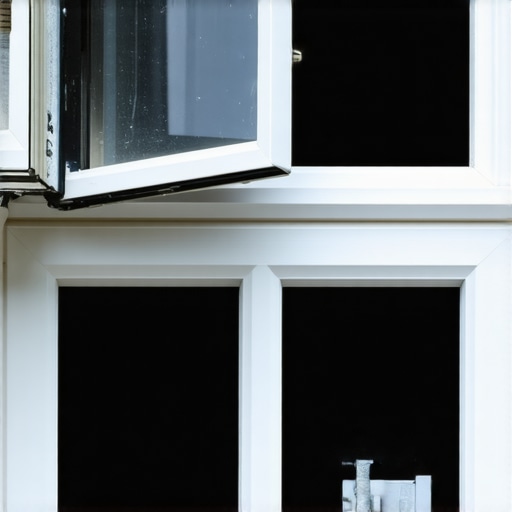
The Frustration of the Binding Sash
Few things are as aggravating as a window that refuses to behave. You reach to close the sash as a summer storm rolls in, and it sticks, halfway through its travel, stubborn and defiant. Many homeowners immediately assume they need to replace windows entirely, but as someone who has spent over two decades in the glazing trade, I can tell you that a window that is hard to close is usually a symptom of a specific mechanical or structural failure, not necessarily a death sentence for the unit. Understanding the physics of your rough opening and the mechanical limits of your hardware is the first step toward a functional home. A window is a precision instrument, and when that precision is compromised by even a fraction of an inch, the entire system fails.
I remember a call I took in a damp suburb where a homeowner was convinced their five-year-old double-hungs were defective. They were using a rubber mallet just to get the locks to line up. I walked in with my hygrometer and a digital level. The humidity in the house was sitting at nearly 70 percent, and the wood liners had swelled so much that the sash was literally choked within the frame. It was not a product failure: it was a failure to manage the interior environment and a misunderstanding of how wood reacts to moisture. We did not need new windows; we needed a dehumidifier and a slight adjustment to the stop beads.
“Installation is just as critical as the window performance itself. A high-performance window installed poorly will fail.” : AAMA Installation Masters Guide
The Anatomy of the Bind: Why Windows Fail to Glide
When we talk about window repair, we have to look at the forces at play. If you have a vinyl window, the enemy is often thermal expansion. Vinyl has a high coefficient of linear thermal expansion. On a hot July afternoon, a dark-colored vinyl frame can expand significantly, causing it to bow inward and pinch the sash. If the installer did not leave enough room in the rough opening or over-filled the gaps with high-expansion spray foam rather than low-expansion window and door foam, that pressure has nowhere to go but against your glass. This creates friction that makes the window feel like it is glued shut.
For those in northern climates where heat loss is the primary concern, the U-Factor is the metric we live by. A low U-Factor indicates a window that keeps heat inside, but if that window is binding, your weatherstripping is likely being crushed unevenly. This creates air bypass, defeating the purpose of your expensive Low-E coatings. When a window is hard to close, you are not just fighting the hardware: you are likely fighting a frame that has been knocked out of square by a settling foundation or poor shimming during the initial install. I always check the diagonal measurements of the frame. If the two diagonals differ by more than an eighth of an inch, the frame is a trapezoid, and no amount of window cleaner will make that sash slide smoothly.
The 5-Minute Fix: The Glazier’s Secret Routine
Before you call a contractor to replace windows, follow this professional diagnostic routine. First, we address the track. Most people think a window cleaner is just for the glass, but you need to use it to clear the debris from the sill and the jamb tracks. Dust, dead insects, and pet hair combine with old grease to create a sludge that acts like sandpaper on your balances. Clean the tracks thoroughly with a microfiber cloth and a non-ammonia based cleaner.
Second, check your lubrication. Never, under any circumstances, use a petroleum-based lubricant or a heavy grease on window tracks. These products attract grit and will eventually harden into a glue-like substance that ruins the sash travel. Instead, use a dry silicone spray or a PTFE-based lubricant. Open the window, spray the tracks, and cycle the sash up and down ten times to distribute the film. This reduces the coefficient of friction and often resolves 80 percent of binding issues instantly.
Third, inspect the sash balances. In modern double-hung windows, you likely have constant force springs or spiral balances. If the window is hard to close specifically at the bottom of its travel, the balance might be over-tensioned or the shoe might be disconnected. Look for the ‘weep holes’ on the exterior of the frame as well. If these are clogged, water backs up into the channel, causing wood sashes to swell or vinyl frames to distort under hydraulic pressure. Clearing a weep hole with a small wire is a thirty-second fix that can save a frame from permanent rot.
The Installation Autopsy: When the Fix Isn’t Enough
Sometimes the 5-minute fix reveals a deeper pathology. This is where we perform an installation autopsy. If I see ‘shiners’ (nails or screws driven through the jamb and into the sash) or if the shims have slipped, the window will never operate correctly. According to the industry standards, the placement of shims is vital to maintaining the structural integrity of the frame.
“Windows shall be installed level, plumb, and square within the manufacturer’s’ tolerances and be securely fastened to the structural opening.” : ASTM E2112 Standard Practice
In many ‘caulk-and-walk’ jobs, the installer skips the sill pan or fails to use proper flashing tape. Over time, water seeps into the rough opening, rotting the jack studs and causing the header to sag onto the window frame. This is a structural bind. You can lubricate the tracks all day, but you are fighting the weight of the house pressing down on the window. In these cases, window repair is a band-aid. You must address the framing. If you see black mold on the drywall or the window cleaner reveals staining on the glazing bead, you have a water management crisis that requires a full-frame tear-out and a properly flashed new unit.
Technical Zoom: The Science of Thermal Breaks and Spacers
In colder regions like Chicago or Minneapolis, we focus on the warm-edge spacer. This is the component that separates the two or three panes of glass. If your window is binding because of condensation-induced swelling, it is because your spacer is failing to prevent the dew point from reaching the interior glass surface. High-performance spacers like those made of silicone foam or stainless steel reduce the thermal transfer. When the glass stays warmer, the interior humidity doesn’t condense on the sash, which prevents the rot and swelling that leads to binding.
If you are in the South, we look at the Solar Heat Gain Coefficient (SHGC). In places like Phoenix, the radiant heat can warp a cheap vinyl sash in a single season. We use Low-E coatings on Surface #2 (the inner face of the outer pane) to reflect that energy back outside before it ever enters the house. If your windows are difficult to operate only during the heat of the day, you are likely dealing with a frame material that cannot handle the thermal load of your specific climate. This is why fiberglass or thermally broken aluminum is often a better choice for high-heat environments: they stay dimensionally stable while the sun is beating down.
Final Thoughts: Maintenance vs. Replacement
Don’t be talked into a thirty-thousand-dollar replacement job because of a sticky sash. Start with the track, the lubricant, and the level. Check your shims and your weep holes. If the frame is square and the wood is dry, a little mechanical TLC is all you need. However, if the frame is crushed, the header is sagging, or the glass seal is blown (evidenced by fogging), then it is time to look at new units. Just ensure that whoever installs them understands that a window is only as good as the flashing and the shims that support it. Water management is a science, not an afterthought.