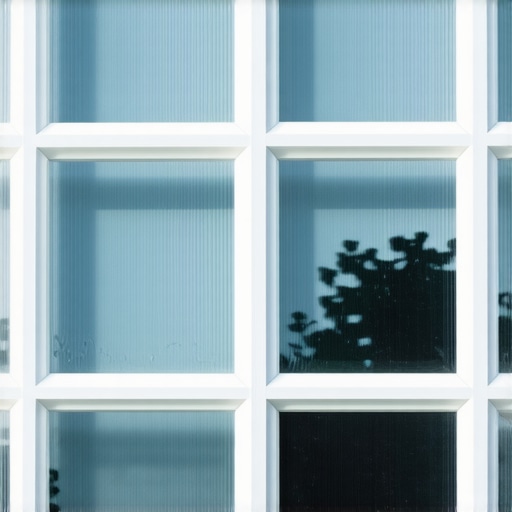
The Condensation Crisis: A Master Glazier’s Perspective
A homeowner called me in a panic last February because their expensive custom storm windows were sweating so much that water was pooling on the interior sills and damaging the original 1920s oak trim. I walked in with my hygrometer and a thermal imaging camera to show them that the humidity in the room was 55 percent while it was a brutal 10 degrees outside. It was not a failure of the glass itself, but a failure of the air management between the primary sash and the storm unit. This is the reality of residential glazing that most window cleaner crews and high pressure sales teams do not understand. Moisture trapped between windows is a symptom of a pressure imbalance and a breach in the interior thermal envelope.
The Physics of the Interstitial Space
To understand why your storm windows are failing, we have to look at the interstitial space, the gap of air between the primary window and the secondary storm window. In a cold climate like Chicago or New England, the primary enemy is heat loss and the subsequent condensation of water vapor. When warm, moist air from your kitchen or bathroom leaks past a loose primary sash, it enters that cold gap. As soon as that air hits the cold surface of the storm window, it reaches its dew point. The vapor turns to liquid, and suddenly you have a visibility problem that leads to wood rot. You do not just need a window repair, you need a pressure boundary correction.
“Installation is just as critical as the window performance itself. A high-performance window installed poorly will fail to manage the moisture loads it was designed to withstand.” – AAMA Installation Masters Guide
The Weep Hole Design Flaw
One of the most common mistakes I see involves the weep hole. These are small apertures at the bottom of the storm window frame designed to let moisture escape. Many homeowners, or worse, uneducated painters, caulk these shut thinking they are stopping drafts. When you plug a weep hole, you are effectively creating a terrarium. The moisture has nowhere to go. In my twenty five years of experience, I have seen entire sills disintegrated because a five cent weep hole was blocked by a glob of silicone. Proper moisture management dictates that the exterior must be more permeable than the interior. You want the interior sash to be airtight and the exterior storm to be slightly vented to the outside to allow vapor pressure to equalize.
Evaluating Your Frames: Repair or Replace?
When clients ask if they should perform a window repair or completely replace windows, I look at the structural integrity of the rough opening. If the wood is punky or the sash is racking, a storm window is just a bandage on a broken limb. However, if the frames are solid, we can optimize the system. High performance glazing today uses Low-E coatings to manage radiant heat. In a northern climate, we want that coating on Surface number three of a double pane unit to reflect heat back into the house. With a storm window, we are essentially creating a crude double pane system. If the storm window is too tight and the inner window is too loose, the system is inverted. You must weatherstrip the inner sash first. Use a high quality EPDM rubber or a spring bronze strip to ensure that the moist indoor air stays indoors.
“The air leakage rate of a fenestration assembly is a primary indicator of its thermal efficiency and its ability to prevent interstitial condensation.” – NFRC 400 Procedure
Technical Solutions for Persistent Moisture
If you have already addressed the interior seals and you still see fogging, it is time to look at the glazing bead and the sill pan. If the glazing bead on the storm window is cracked, rainwater can seep into the frame. Once that water is trapped, the sun hits the window, turns that water into vapor, and fogs the glass from the inside. This is why a professional window cleaner will often notice moisture that a homeowner misses. To fix this, you may need to remove the storm sash, scrape out the old glazing compound, and apply a fresh bed of high grade marine sealant. Do not use cheap latex caulk. It will shrink and pull away from the glass within two seasons. You need a material that can handle the expansion and contraction of the glass as it fluctuates between sub zero nights and sun drenched afternoons.
The Role of Air Infiltration and U-Factor
The U-Factor measures how well a window prevents heat from escaping. A lower number is always better. When we add a storm window, we are trying to lower the U-Factor of an old single pane sash from roughly 1.1 down to 0.50. But if air infiltration is high, that U-Factor rating is worthless. Air is the vehicle for moisture. If you can feel a draft, you are looking at a future mold problem. When we shim a new window into a rough opening, we use minimally expanding foam or backer rod with sealant to create a dead air space. With storm windows, we rely on the flange and the caulking bead. If that bead is broken at the top or sides, water will find its way behind the frame and rot your house from the inside out. Always check the head drip cap. It is a small metal flashing that sits above the window to shed water away from the opening. If it is missing, your storm window is just a funnel for rain.
Final Recommendations for Homeowners
Stop looking for a magic spray or a quick fix. If your windows are trapping moisture, you have an airflow problem. Step one is to seal the interior sash with better weatherstripping. Step two is to ensure the exterior storm window has clear, functional weep holes. Step three is to inspect the exterior perimeter sealant. If these steps do not work, you are likely dealing with a humidity level in your home that is too high for the outdoor temperature. Turn down your humidifier. Use your bath fans. A window is a thermal bridge, and it will always be the first place where physics reveals the hidden moisture in your air. If the wood is already soft, do not wait. Call a specialist who understands the shingle principle and knows how to properly flash an opening. Anything less is just a temporary patch on a permanent problem.