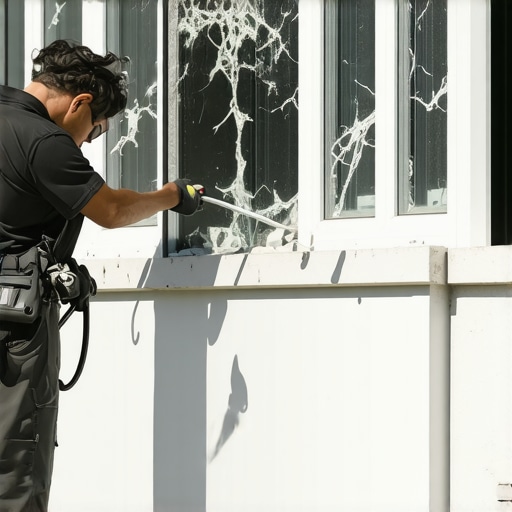
The Temptation of the High-Pressure Blast
As a master glazier with over two decades in the field, I have seen every imaginable DIY disaster, but few are as heartbreakingly expensive as the damage caused by a homeowner with a brand-new pressure washer. You see the green algae on the vinyl or the soot on the wood sash and think that a 3000 PSI stream is the quickest path to a clean home. In reality, you are likely initiating a slow-motion destruction of your thermal envelope. A window is not a solid barrier; it is a complex assembly of glass, gaskets, and air-pressure management systems designed to handle gravity-fed rain, not a concentrated jet of water moving at two hundred miles per hour.
The Rot Repair: A Case Study in Forced Moisture
I remember a call I took in a damp coastal suburb a few years back. The homeowner was meticulous about maintenance, or so he thought. He pressure-washed his siding and windows every spring. When he called me, he complained about a small musty smell near the base of a large picture window. I pulled that vinyl window out of the house and the rough opening was a nightmare. The header and the jack studs were completely black with rot, crumbling like charcoal in my hands. Why? The previous installer had done a decent job with the nailing fin, but the pressure washer had forced water past the glazing bead and behind the flashing tape. Once water is pressurized into the wall cavity, it has nowhere to go. It sits against the wood, bypasses the sill pan, and begins the biological breakdown of your home’s structure. This was not a failure of the product; it was a failure of the cleaning method.
The Anatomy of a Window Seal
To understand why high pressure is the enemy, we must look at the glazing pocket. Most modern windows are Insulated Glass Units (IGUs). These consist of two or more panes of glass separated by a spacer bar and sealed with a primary seal of polyisobutylene (PIB) and a secondary seal of silicone or polyurethane. This seal is designed to keep the argon or krypton gas inside and the moisture out. When you hit the edge of the glass with a pressure washer, you are putting immense stress on the glazing bead, the small strip of plastic or wood that holds the glass in place. Once that bead is deflected, water is forced into the glazing rebate. Under normal conditions, a weep hole would allow this water to exit. However, the volume and pressure of a power washer overwhelm the weep hole system, forcing water into the secondary seal of the IGU. If that seal is compromised, your U-Factor goes out the window, literally. You will soon see the dreaded ‘fogging’ between the panes as the desiccant becomes saturated.
“Installation is just as critical as the window performance itself. A high-performance window installed poorly will fail.” – AAMA Installation Masters Guide
The Shingle Principle vs. Hydrostatic Pressure
Window installation relies on the shingle principle: every layer of flashing and weather stripping must overlap the one below it so that gravity pulls water away from the building. A pressure washer operates in defiance of gravity. It can drive water upward, behind the drip cap and into the rough opening. In northern climates, this is particularly dangerous. If you force moisture into the framing in November, that water will freeze and expand, widening gaps in your flashing tape and shims. This leads to a loss of air tightness, increasing your heating bills as the cold air bypasses the insulated frame entirely. We talk about the dew point in glazing for a reason. If the interior surface of your frame becomes too cold because of air leaks, you will see condensation, which leads to mold, regardless of how high your furnace is set.
Frame Material Science: Vinyl, Wood, and Fiberglass
Different materials react differently to the abuse of a pressure washer. Vinyl frames are often multi-chambered. While this provides excellent U-factor ratings, these chambers can become traps for pressurized water if the weep holes are bypassed. Wood frames are even more vulnerable. A high-pressure stream can strip the paint or sealant, injecting water directly into the grain. This leads to swelling of the sash, making it difficult to operate, and eventually leads to the rot I mentioned earlier. Fiberglass is the most stable, but even it relies on a glazing bead that can be dislodged. If you are looking to replace windows, you must consider how the manufacturer has designed the water management system. A window is only as good as its ability to stay dry.
“Proper water shedding at the sill and jambs is the primary defense against structural degradation in the fenestration assembly.” – ASTM E2112 Standard Practice
The Physics of Heat Loss and Seal Failure
In colder regions, the U-Factor is our primary metric. We want to prevent heat from escaping. When a pressure washer ruins the seal of an IGU, the inert gas escapes. This gas is much denser than air and provides the thermal break needed to keep the inner pane of glass warm. Once air replaces that gas, the inner pane becomes a cold surface, dropping the temperature of the air near the window and creating a convection current that feels like a draft. You might think you need a window repair when what you actually have is a total thermal failure. No amount of window cleaner will fix a blown seal. You are looking at a glass replacement or a full frame tear-out if the water has reached the shims and framing.
The Professional Method: How to Actually Clean Windows
If you want to maintain your warranty and the structural integrity of your home, put the pressure washer away. A professional window cleaner uses a soft-wash approach. This involves a mild detergent, a soft-bristle brush, and a low-pressure rinse from a standard garden hose. This respects the weep hole capacity and the limits of the glazing bead. For stubborn grime on the muntins or the sill, use a microfiber cloth. This ensures you aren’t driving water into places it was never meant to go. If you notice the frame is difficult to clean, it might be time to investigate the age of the unit. Old, chalky vinyl is a sign that the UV stabilizers have failed, and at that point, the material is becoming porous and more susceptible to moisture intrusion.
When to Call for a Window Repair or Replacement
If you have already made the mistake of pressure washing and you notice water pooling on the interior sill or a permanent fog between the panes, you need an assessment. Sometimes, a window repair is possible if the damage is limited to the glazing bead or a simple seal failure in the sash. However, if the water has penetrated the rough opening and compromised the flashing tape, you are likely looking at a situation where you need to replace windows. It is better to address this sooner rather than later. Once rot enters the jack studs and the header, the cost of the project triples as you move from a simple window job into structural carpentry. Water management is a science of details, and those details are easily destroyed by the brute force of high-pressure cleaning.