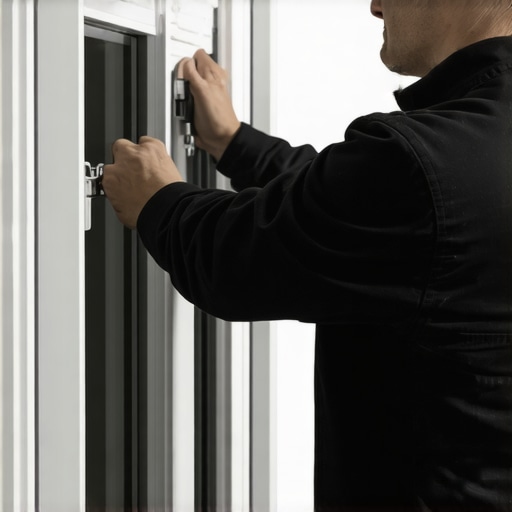
The sound of a rattling window is more than a midnight annoyance; it is the audible signature of a failing thermal envelope. When a homeowner hears that distinctive chatter against the stops during a wind gust, they are hearing the physical manifestation of air infiltration. As a glazier with over two decades in the field, I look at a rattling window and see a failed system of tolerances. It is a sign that the sash is no longer properly seated within the frame, allowing for a thermal bypass that renders even the most expensive glass package nearly useless. Before you call a window cleaner to polish the glass, you need to understand the structural integrity of the unit itself.
The Condensation Crisis: A Narrative Warning
I recall a specific instance where a homeowner in a bitter Chicago winter called me in a panic because their brand-new double-hung units were ‘sweating’ so profusely that water was pooling on the sill. They were convinced the seals had failed. I walked in with my hygrometer and showed them that the interior humidity was hovering at 62 percent while the exterior temperature was ten degrees. It was not a window failure; it was a lifestyle and ventilation issue. However, the rattling they heard during the same visit? That was a mechanical failure. The previous installer had failed to properly shim the side jambs, causing the frame to bow outward. This ‘hour-glassing’ meant the sash was only making contact at the head and sill, leaving a massive gap in the middle for air to whistle through. If your windows are rattling, we have to look at the mechanics before we look at the glass.
“Standard practice for the installation of exterior windows, doors, and skylights requires that the fenestration product be installed level, plumb, and square within the rough opening to ensure proper operation and performance.” – ASTM E2112
The Physics of the Rattle: Why Frames Lose Their Grip
To perform a successful window repair, we must first analyze the components. An operable window is a machine with moving parts. In a double-hung or single-hung unit, the sash is held in place by the balance system and the glazing bead. Over time, wood sashes can shrink due to low humidity, while vinyl sashes might expand and contract at a rate that eventually fatigues the locking hardware. When the sash no longer fits tightly against the weatherstripping, the wind pressure creates a vibration. This is not just a noise issue; it is an energy issue. In cold northern climates, the U-Factor is the most critical metric. A low U-Factor indicates high resistance to heat flow. However, if the air infiltration rate (AI) is high because of a loose sash, that U-Factor rating on the NFRC label is essentially void. You are essentially trying to heat the outdoors through a series of micro-gaps around your sash.
The Glazing Zoom: Understanding Thermal Performance
When we talk about tightening a window, we are often talking about restoring the seal between the sash and the frame. In northern regions, we utilize Low-E coatings on Surface #3. This placement is intentional: it allows the solar heat gain to enter the home during the day but reflects the long-wave infrared radiation back into the room at night. If the window is rattling, that carefully managed heat is escaping through convection. The gap in the weatherstripping allows cold air to enter, dropping the temperature of the glass and the interior frame. This brings the frame temperature below the dew point, leading to the condensation issues I mentioned earlier. Tightening the frame involves checking the cam locks and the keepers. Often, a rattle can be cured by simply adjusting the keeper to pull the sash tighter against the header or the meeting rail. If the gap is too large for the lock to bridge, we look at the shims. A window that was not shimmed correctly in the rough opening will eventually sag or bow, creating the very gaps that cause the rattle.
“Installation is just as critical as the window performance itself. A high-performance window installed poorly will fail to meet its energy and structural ratings.” – AAMA Installation Masters Guide
The Mechanics of Tightening: A Glazier’s Approach
If the rattle persists after adjusting the hardware, we move to the weatherstripping. Modern windows use bulb seals or fin seals. Over years of operation, these compressed materials lose their ‘memory’ and fail to spring back. Replacing these is a standard part of any professional window repair. We also examine the glazing bead—the strip of vinyl or wood that holds the glass unit into the sash. If this becomes loose, the glass itself may rattle within the sash, which is a far more dangerous prospect as it can lead to stress cracks. For those considering when to replace windows, the decision often comes down to the frame’s structural stability. If the wood is punky or the vinyl has become brittle from UV exposure, no amount of new weatherstripping will stop the rattle. You are fighting a losing battle against material degradation. In these cases, a full-frame replacement is superior to a pocket insert. While a pocket insert is cheaper, it relies on the existing, potentially compromised frame. A full-frame tear-out allows us to inspect the sill pan and ensure that flashing tape is applied correctly to prevent water from reaching the header, which is the primary cause of rot.
The Math of Comfort
Homeowners often ask about the ROI of new windows. If you are looking solely at energy bills, the payback period can be long. However, if you factor in the elimination of drafts and the reduction of mechanical noise, the value is immediate. A window that is properly tightened and sealed reduces the load on your HVAC system and prevents the cyclic expansion and contraction of interior materials caused by localized temperature swings. When you hire a professional for window repair, you are paying for the precision of their shims and their understanding of the ‘shingle principle’—the concept that every layer of the window system must shed water to the layer below it, eventually exiting through the weep holes in the exterior sill. A rattling window often has blocked weep holes, causing water to back up into the track, which then degrades the bottom rail of the sash. It is all connected.