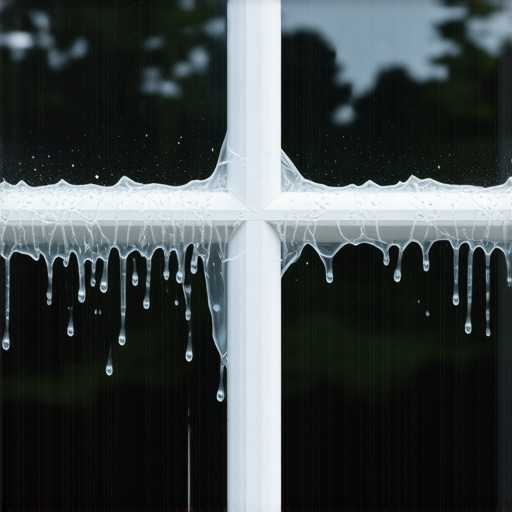
The Catastrophic Reality of High-Pressure Cleaning
I once pulled a wood sash out of a custom home in the suburbs of Chicago and the bottom rail was essentially a sponge. The homeowner was baffled. They had invested in premium wood windows only five years prior and the finish was already bubbling and the wood was soft to the touch. Why? They had hired a generic exterior cleaning crew that used a 3500 PSI pressure washer to ‘deep clean’ the siding and the glass. The previous installer had done a decent job with the flashing tape around the rough opening, but no amount of installation expertise can save a window from the brute force of a localized water jet. That pressure washer had driven water past the glazing bead and into the interior channels of the sash where it had no way to escape. It sat there, season after season, slowly turning a three-thousand-dollar window into mulch.
“Water penetration is the primary cause of premature window failure, often exacerbated by improper maintenance techniques that exceed the design pressures of the fenestration unit.” – AAMA Installation Masters Guide
The Anatomy of the Insulated Glass Unit (IGU)
To understand why a pressure washer is the enemy of your home, you have to understand the chemistry of an Insulated Glass Unit or IGU. An IGU is not just two panes of glass. It is a precision-engineered system. The two panes are separated by a spacer bar, which is filled with a desiccant (a molecular sieve designed to absorb any trace amounts of moisture). The system is held together by two distinct seals. The primary seal is typically made of Polyisobutylene (PIB). PIB is an incredible vapor barrier, but it has very little structural strength. It is there to keep the Argon or Krypton gas inside and the water vapor out. The secondary seal, usually a high-grade silicone or polysulfide, provides the structural integrity that keeps the unit from falling apart. When you hit that edge with a pressure washer, you are not just cleaning the glass; you are subjecting those chemical bonds to forces they were never designed to withstand. If you compromise the secondary seal, the PIB is the only thing left. Once the PIB is breached, the noble gas escapes, and your U-factor (the measure of heat loss) skyrockets. You have effectively turned a high-performance window into a piece of junk.
The Physics of Hydraulic Injection
When you use a pressure washer, you are creating a concentrated stream of water moving at hundreds of feet per second. At the point of impact, that kinetic energy is converted into static pressure. Most residential windows are rated for a specific Design Pressure (DP) which accounts for wind-driven rain. A DP 50 rating, which is quite high for a standard home, means the window can withstand about 50 pounds per square foot of pressure. A pressure washer at 3000 PSI is delivering over 430,000 pounds per square foot at the nozzle head. Even at a distance of three feet, the localized pressure is far beyond what any glazing bead or weatherstripping was meant to block. The water is forced into the weep hole system faster than it can drain. In a proper window repair scenario, we see this often. The water backs up into the sash, overflows the sill pan, and begins to saturate the shims and the rough opening. This is how you end up needing to replace windows entirely instead of just performing simple maintenance.
“Windows are designed to manage gravity-driven moisture and atmospheric pressure differentials, not the concentrated hydraulic force of power washing equipment.” – ASTM E2112 Standard Practice
Climate Impact: The Cold Weather Nightmare
In northern climates like Minneapolis or Chicago, a compromised seal is a death sentence for the window. The primary enemy here is heat loss and the resulting condensation. When the seal fails due to pressure washing, the desiccant inside the spacer bar becomes saturated within weeks. Once the desiccant can no longer hold moisture, you get ‘fogging’ between the panes. In the winter, this moisture freezes. The expansion of ice inside the IGU can actually crack the glass or further deform the spacer, leading to a total loss of thermal performance. You will feel the draft. You will see the frost on the interior of the sash. This isn’t just an aesthetic issue; it is a structural failure of the building envelope. You might think you are saving money by hiring a cheap window cleaner who uses a power wand, but the long-term cost of a thermal bridge in your wall is thousands of dollars in wasted energy.
The Role of the Glazing Bead and Weep Holes
Every operable window has a weep system. If you look at the exterior bottom of your window frame, you will see small slots. These are weep holes. They are designed to allow water that gets past the first layer of weatherstripping to drain back out to the exterior. When you blast these with a pressure washer, you are doing two things: you are forcing water up the ‘wrong way’ into the internal drainage channels, and you are likely pushing dirt, grass clippings, and debris into the holes, clogging them. Once those weep holes are clogged, the window can no longer manage water. The next time it rains, the water will pool in the frame, eventually reaching the wood or the drywall of your interior. A professional window cleaner knows this. They use a t-bar, a microfiber sleeve, and a squeegee. They use ‘elbow grease’ rather than ‘water pressure’.
Window Repair vs. Replace Windows: The Financial Reality
If you have already made the mistake of pressure washing your windows and you now see fogging, you are facing a choice. Window repair usually involves ‘degassing’ or, more accurately, replacing the IGU itself. A glazier will come out, remove the glazing beads, take out the failed glass unit, and install a new one. This is cheaper than a full-frame replacement, but it still costs hundreds of dollars per sash. If the pressure washer has also damaged the wood or caused rot in the rough opening because of water bypass, you are looking at a full-frame tear-out. To replace windows on an entire house can cost as much as a new car. This is why I tell every homeowner I meet: keep the pressure washer for your concrete driveway and your stone patio. Keep it away from your siding and light years away from your windows.
Correct Maintenance Procedures
How should you clean your windows? It is simpler and safer than you think. 1. Use a soft brush to remove loose dust and spider webs from the muntins and the frame. 2. Use a bucket of water with a small amount of dish soap. 3. Apply the solution with a soft applicator. 4. Use a squeegee to remove the water. 5. Wipe the edges with a lint-free cloth. This method ensures that you are not stressing the seals or forcing water into places it doesn’t belong. If you find that your windows are still drafty after a good cleaning, it is likely that the weatherstripping needs to be replaced or the sash needs to be adjusted on its hinges or tracks. These are mechanical issues that require a screwdriver and a bit of knowledge, not a high-powered water jet. Water management is a science, and your windows are the most technical part of your home’s exterior. Treat them with the respect their engineering deserves.