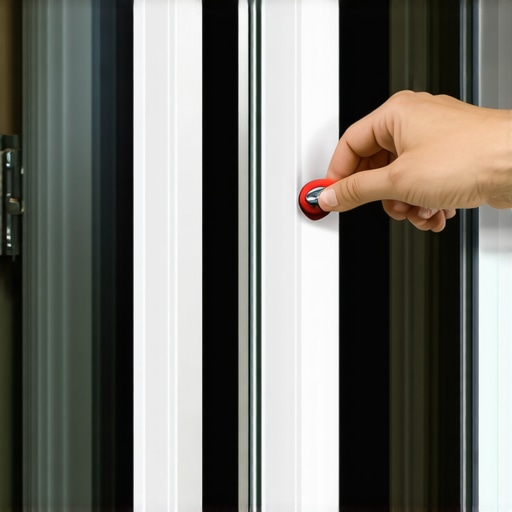
The Diagnostic Magnet: Why Your Window Specialist Starts with a Simple Tool
A homeowner called me last November in a panic because their relatively new-looking windows were ‘sweating’ so much that water was pooling on the hardwood floors. I walked into the living room, pulled a small neodymium magnet from my pocket, and slapped it against the frame. It stuck with a loud thud. I showed the homeowner the reading on my hygrometer: the indoor humidity was 55 percent, but that steel frame was a direct thermal bridge to the 20-degree air outside. It wasn’t a leak in the traditional sense; it was a failure of material physics. The previous installer had sold them a ‘refurbished’ look without addressing the fundamental reality of the substrate. This is why we don’t just guess what your windows are made of. We test.
“Installation is just as critical as the window performance itself. A high-performance window installed poorly will fail.” AAMA Installation Masters Guide
The Physics of Metal Frames and Thermal Conductivity
When you are looking to replace windows, identifying the material of the existing frame is the first step in engineering a solution that actually works. We use a magnet to distinguish between steel and aluminum because their thermal profiles are radically different. Steel is a ferrous metal and highly magnetic. Aluminum is non-ferrous and will not attract a magnet. Why does this matter for your heating bill? Steel has a lower thermal conductivity than aluminum, but in the context of a 1950s or 1960s residential window, steel frames are often thin, single-pane units that act as a cooling fin for your entire house. Aluminum, while it does not rust like steel, is a massive conductor of heat. Without a thermal break (a plastic or rubber strip separating the interior and exterior halves of the frame), an aluminum window will be ice-cold to the touch in winter and radiating heat like a radiator in the summer.
The Installation Autopsy: Beyond the Surface
If the magnet sticks, we are dealing with steel. This usually means the window repair process is going to be complex. Steel windows were often grouted directly into the masonry or attached to a wood buck that has likely seen decades of moisture. When we perform a full-frame replace windows operation, we aren’t just popping out a sash. We are examining the Rough Opening for signs of structural compromise. In cold climates, the constant cycle of condensation on steel frames leads to ‘hidden rot’ behind the plaster or drywall. I have seen Rough Opening headers that looked fine from the outside but crumbled like chocolate cake once the steel casing was pulled back because the Flashing Tape was nonexistent or improperly applied by a ‘caulk-and-walk’ contractor thirty years ago.
“The water-resistive barrier must be integrated with the window flashing to ensure a continuous drainage plane.” ASTM E2112 Standard Practice
Why Window Cleaners Know Your Frames Better Than You
A professional window cleaner is often the first person to notice the failure of a metal frame. They see the oxidation on aluminum or the bubbling paint on steel that indicates subsurface corrosion. If you are hiring a window cleaner and they mention they can’t get the ‘haze’ off, it might not be dirt. It could be etched glass caused by alkaline runoff from a degrading metal Glazing Bead. This is the point where window repair transitions from a cosmetic fix to a structural necessity. When we identify a steel frame with a magnet, we know we have to check the Weep Hole system. Steel windows often lacked sophisticated weeping, leading to water trapped in the Sill Pan area, which eventually migrates into the floor joists.
U-Factor and the Reality of Metal Substrates
In northern climates, the U-Factor is the most critical metric on the NFRC label. It measures the rate of heat loss. A standard non-thermally broken aluminum window might have a U-Factor of 1.2 or higher, which is essentially the same as having a hole in the wall. By using a magnet to confirm the frame is aluminum or steel, we can calculate the exact thermal delta. If we find an operable steel sash, we have to decide if a pocket replacement is even viable. Often, the frame is so narrow that a new insulated glass unit (IGU) won’t fit without significant Shim work, which compromises the Sill Pan integrity. We prefer to do a full-frame replacement to ensure that Flashing Tape can be applied directly to the sheathing, creating a true airtight seal.
The Anatomy of a Proper Replacement
Once the magnet has told us what we are dealing with, we move to the Sill Pan design. A Sill Pan is a three-sided box that sits at the bottom of the Rough Opening. If any water gets past the Glazing Bead or the primary seals of the window, the Sill Pan catches it and directs it back out through the Weep Hole. When replacing old steel windows, we often find that the original installers relied on a prayer and a bead of oil-based caulk. Modern glazing science demands more. We use high-performance membranes and Flashing Tape that integrates with the house wrap. This ensures that even if you have a 100-mph wind-driven rain, the water has a clear path out of the wall assembly. Don’t let a salesman tell you that a ‘bead of silicone’ is enough. If they aren’t talking about the drainage plane, they aren’t doing the job right.
Conclusion: Knowledge is the Best Tool
The magnet test is a small part of a larger technical evaluation. Whether you need a simple window repair to replace a fogged IGU or you are ready to replace windows entirely, knowing the metallurgy of your home is vital. Metal frames require specific handling to prevent thermal bridging and galvanic corrosion. When you see a glazier pull out a magnet, know that they are looking past the paint and into the engineering of your home. We are checking the density of your Muntin bars and the stability of your sash. We are ensuring that the new unit we install will not just look good for the window cleaner next month, but will keep your home dry and efficient for the next thirty years. High-performance glazing is about managing the Dew Point and ensuring that your Rough Opening remains a dry, structural asset rather than a source of rot and mold.