The Master Glazier’s Secret to Molecularly Clean Glass
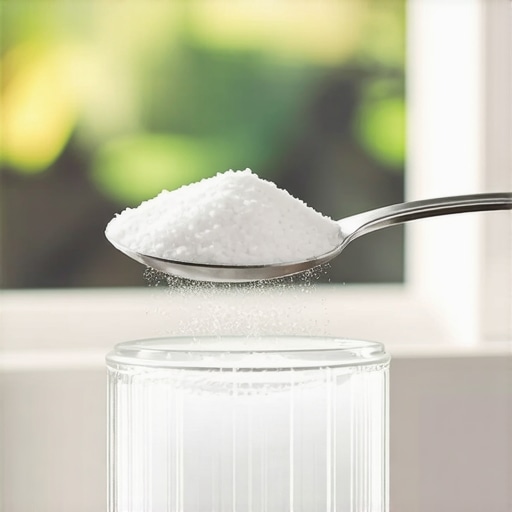
In my twenty-five years as a glazier, I have seen every possible failure of the window system. I have inspected thousands of rough openings where the flashing tape was applied backwards and witnessed high-end fiberglass sashes warped by improper shimming. But one of the most common complaints I receive from homeowners isn’t about structural failure: it is about the inability to keep the glass clear. Most people reach for a blue chemical spray and a paper towel, but they are simply moving oils around the surface of the glass. When we talk about professional-grade maintenance, we look at the physics of the surface. This is why adding a spoonful of cornstarch to your window water is not a myth: it is a functional manipulation of surface tension and abrasive science.
“Installation is just as critical as the window performance itself. A high-performance window installed poorly will fail.” AAMA Installation Masters Guide
The Condensation Crisis: A Narrative of Real-World Performance
I recall a specific case in a suburban home during a brutal January cold snap. A homeowner called me in a panic because their new windows were ‘sweating’ so heavily that water was pooling on the sill. They were convinced the seals had failed or that the gas fill had leaked. I walked into the house with my hygrometer and a high-intensity inspection light. Within minutes, I showed them that the indoor humidity was hovering at sixty percent while the outside temperature was five degrees Fahrenheit. It wasn’t the windows: it was their lifestyle choices, specifically a lack of mechanical ventilation in a tightly sealed house. The windows were performing their job, which is to be the coldest surface in the room where moisture naturally condenses. This experience highlights why understanding the ‘Dew Point’ is essential for every homeowner. When we clean these windows, especially in cold climates, we are doing more than just improving the view. We are inspecting the integrity of the sash and the glazing bead to ensure no moisture is bypassing the primary seals.
The Physics of Cornstarch in Window Cleaner
To understand why cornstarch works, you must understand the microscopic topography of float glass. Even though glass feels smooth, it contains microscopic pits and valleys. Standard detergents often leave a film of surfactants that trapped in these valleys, which then attracts dust and creates the dreaded streak. Cornstarch is a natural, non-crystalline abrasive. At a molecular level, it acts as a mechanical agent that breaks the hydrogen bonds of the water, allowing it to evaporate more uniformly across the pane. When you use a solution of water, white vinegar, and a tablespoon of cornstarch, you are creating a mixture that absorbs the oils left behind by previous cleaners. This process is vital when you need to window repair specific components or simply maintain the window cleaner routine that preserves the clarity of your Low-E coatings.
Thermal Logic: Why Clarity Matters in Cold Climates
In Northern regions where the U-Factor is the primary metric of success, the cleanliness of the glass can actually impact the perception of thermal comfort. While a dirty window doesn’t significantly change the R-value of the unit, it can interfere with the Visible Transmittance (VT). In a cold climate, we want to maximize the solar heat gain during the day while preventing heat loss at night. This is why we focus on the U-Factor, where a lower number indicates better insulation. A high-performance triple-pane window with a warm-edge spacer is designed to keep the interior pane temperature as close to the room temperature as possible to prevent that ‘sweating’ I mentioned earlier. If you are cleaning your windows and notice fogging between the panes, that is a definitive sign of seal failure. In that case, you cannot clean it away: you must replace windows to restore the thermal envelope of your home.
“The performance of the fenestration system is dependent upon the integration of the window into the wall system.” ASTM E2112 Standard Practice
The Anatomy of the Window: Beyond the Glass
When I am on a job site, I am looking at more than just the glass. I am looking at the operable parts of the sash and the condition of the muntins. If you are cleaning your windows and notice that the glazing bead is cracked or pulling away, moisture can enter the internal profile of the frame. This is a critical point for window repair. If water gets past that bead and the weep holes are clogged with debris or paint, the water will sit against the insulated glass unit (IGU) seal. Constant moisture exposure will eventually cause the polyisobutylene seal to degrade, leading to argon gas loss. This is why keeping your windows clean and inspecting the drainage path is a mandatory part of home maintenance. Check your sill pan for signs of standing water: if you see it, your window’s drainage system is failing.
The Glazier’s Checklist for Inspection During Cleaning
1. Inspect the Rough Opening for any signs of daylight or drafts that suggest the shim placement has shifted or the flashing tape has detached. 2. Verify that the weep holes are clear of dust and organic matter. 3. Look at the glazing bead to ensure it is seated firmly against the glass. 4. If the window is operable, check the weatherstripping for compression sets. 5. If you find significant rot in the sash or the frame, it is usually more cost-effective to replace windows rather than attempt a structural window repair on a compromised unit. Remember, a window is a hole in your thermal envelope: treat it with the technical respect it deserves. Use the cornstarch method for the clearest glass, but keep your eyes on the structural components that keep your home dry and warm.