The Anatomy of an Edge: Why Professional Maintenance Matters
When you look through a window, you should see the world, not the glass. As a master glazier with over two decades in the field, I have seen every type of window failure imaginable, from catastrophic structural collapses of curtain walls to the slow, insidious rot of a poorly flashed sill pan. But often, the most persistent frustration for a homeowner is not a structural failure, but an optical one. They see streaks, haze, or what they believe is dirt that simply will not come off. This is where the intersection of professional window cleaner techniques and high-end window repair becomes critical. The tool of choice for the professional is the squeegee, but not just any squeegee. It is a precision instrument with a replaceable rubber blade. To understand why, we must look at the physics of the glass surface and the chemistry of the polymers used to clean it.
The Condensation Crisis: A Lesson in Atmospheric Physics
A homeowner once called me in a panic because their new, high-performance windows were ‘sweating’ profusely on the interior glass. I walked into the residence with my hygrometer and a thermal imaging camera. Within minutes, I showed them that the interior humidity was hovering at 60 percent. It was not a failure of the window repair or the installation; it was their lifestyle choices combined with a lack of proper mechanical ventilation. The windows were so efficient that the interior glass surface remained cold enough to hit the dew point of their humid indoor air. This story illustrates a fundamental truth in the glazing industry: a window is a dynamic thermal barrier. Whether you are looking to replace windows or simply maintain the ones you have, you must understand that the glass is part of a larger building envelope system. When that system is out of balance, the glass bears the evidence.
The Physics of the Replaceable Rubber Blade
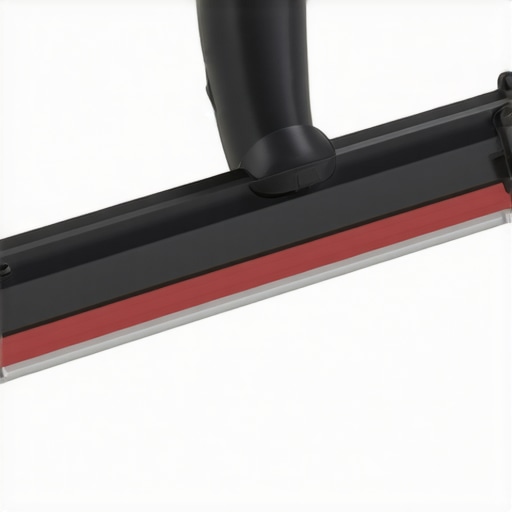
Why do professionals insist on replaceable rubber? It comes down to the durometer and the sharp edge of the blade. A squeegee blade is not a wiper; it is a precision leveling tool. As it moves across the glass, it creates a microscopic seal that lifts the solution and the suspended particulates away from the surface. Over time, the sharp 90-degree edge of the rubber blade rounds off due to friction and UV exposure. Even a microscopic nick in the rubber will leave a streak of water behind, which then evaporates and leaves mineral deposits. If you are using a fixed-blade squeegee, the tool is disposable. A professional uses a brass or stainless steel channel where the rubber can be swapped out frequently to maintain that perfect edge. This ensures that the glass is not just ‘clean’ but is free of the residues that can eventually lead to glass etching or the degradation of the glazing bead.
“Installation is just as critical as the window performance itself. A high-performance window installed poorly will fail.” AAMA Installation Masters Guide
The Glass Class: Decoding Performance Metrics
When we discuss the need for window repair or deciding to replace windows, we have to talk about the National Fenestration Rating Council (NFRC) labels. In our Northern climates, the enemy is heat loss and the subsequent condensation. The U-Factor is our primary metric here. A lower U-Factor means better insulation. For a home in a cold region, we are looking for a U-Factor of 0.27 or lower. This is achieved through the use of triple-pane units and warm-edge spacers. These spacers, often made of structural foam or thin-gauge stainless steel, sit between the glass panes to reduce thermal bridging at the edge of the glass. If your windows are cold to the touch and showing moisture at the bottom of the sash, your spacers are likely failing or were never high-performance to begin with.
The Role of Low-E Coatings in Northern Climates
In a cold climate, we focus on Low-E coatings on Surface #3. To clarify for the layperson, an insulated glass unit (IGU) has four surfaces. Surface #1 is the exterior. Surface #2 is the inner face of the exterior pane. Surface #3 is the outer face of the interior pane, and Surface #4 is the interior room-side glass. By placing the Low-E coating on Surface #3, we allow solar heat gain to enter the home during the day but reflect the long-wave infrared radiation (the heat from your furnace) back into the room. This prevents the heat from escaping through the glass. When you hire a professional window cleaner, they must be aware of these coatings. While most Low-E is protected inside the IGU, some modern windows have hard-coat Low-E on Surface #4 to further lower the U-Factor. An amateur with a scraper or a low-quality squeegee blade can scratch these coatings, leading to an expensive window repair bill.
Thermal Stress and IGU Integrity
A major reason for premature window failure in cold climates is thermal stress. If you have a dark frame, such as a bronze anodized aluminum or a dark vinyl, it absorbs a massive amount of heat. If the edge of the glass is significantly colder than the center, the glass can crack. This is why the rough opening and the shimming process are so vital. If a window is shimmed too tightly, there is no room for the frame to expand and contract. This puts pressure on the glass, leading to stress cracks. Professional installers ensure there is a 1/4 inch to 1/2 inch gap between the window frame and the rough opening, which is then filled with low-expansion closed-cell foam to provide both insulation and flexibility.
“Standard Practice for Installation of Exterior Windows, Doors and Skylights must account for the management of water and air leakage through the use of proper flashing systems.” ASTM E2112
The Myth of the Lifetime Window
I often see homeowners who were sold a bill of goods by high-pressure salesmen promising windows that will last forever. In reality, every component has a lifespan. The seal of an IGU will eventually fail as the desiccant in the spacer becomes saturated and the primary seal of polyisobutylene (PIB) degrades. When this happens, you get ‘fogging’ between the panes. This is not something a window cleaner can fix. At this point, you are looking at an IGU replacement or choosing to replace windows entirely. If the frames are still in good condition, a sash replacement might be an option, but often, a full-frame replacement is the only way to ensure that the flashing tape and sill pan are updated to modern standards.
Water Management and the Weep Hole System
One of the most overlooked aspects of window maintenance is the weep hole. Most operable windows, especially vinyl and aluminum sliders or double-hungs, are designed to take in a small amount of water during a heavy rain. This water is collected in the sill track and then channeled outside through weep holes. If these holes become clogged with dirt, debris, or even spider webs, the water will back up and overflow into your wall cavity. This leads to the rot I mentioned earlier, where the header and the jack studs become black with mold. A professional window cleaner doesn’t just clean the glass; they vacuum out the tracks and ensure the weep system is clear. This is the difference between simple aesthetics and true window maintenance.
Choosing the Right Frame Material for the Cold
When it comes time to replace windows, the material you choose for the frame is as important as the glass. Vinyl is a popular choice because it is cost-effective, but it has a high coefficient of thermal expansion. In a cold climate, vinyl windows can shrink enough in the winter to allow air infiltration around the weatherstripping. Fiberglass, on the other hand, is made primarily of glass fibers and resin, meaning it expands and contracts at almost the same rate as the glass panes it holds. This maintains the integrity of the seals and the mitered corners of the frame much better over a thirty-year lifespan. While the initial investment is higher, the long-term performance and reduced need for window repair make it a superior choice for harsh environments.
The Final Word on Professional Maintenance
Whether you are dealing with a simple cleaning or a complex window repair, the details matter. The use of a replaceable rubber blade on a professional squeegee is symbolic of the precision required in the entire glazing industry. It is about using the right tool and the right material for the specific environment. Do not settle for ‘caulk-and-walk’ installers or cleaners who use dish soap and old rags. Demand the technical expertise that your home’s envelope deserves. Understanding the U-Factor, the placement of Low-E coatings, and the mechanical function of the weep system will ensure that your windows provide comfort and clarity for decades to come.{“@context”:”https://schema.org”,”@type”:”HowTo”,”name”:”How to Maintain Window Clarity and Integrity”,”step”:[{“@type”:”HowToStep”,”text”:”Inspect the glass for any signs of seal failure or fogging between the panes.”},{“@type”:”HowToStep”,”text”:”Clean the glass using a professional squeegee with a fresh, sharp rubber blade.”},{“@type”:”HowToStep”,”text”:”Vacuum the sill tracks and ensure that all weep holes are clear of debris.”},{“@type”:”HowToStep”,”text”:”Check the perimeter sealant for any gaps or cracking that could allow air or water infiltration.”}]}