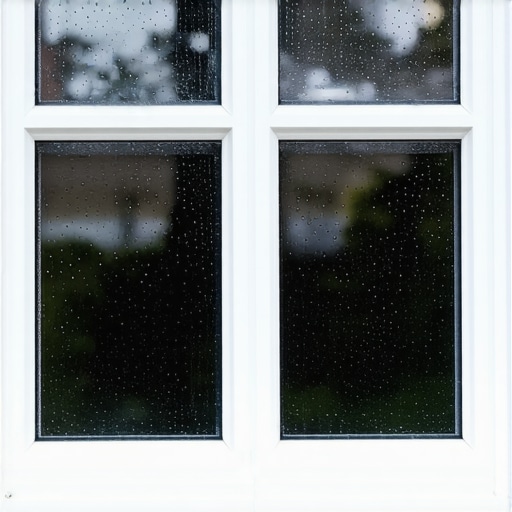
The Death of an Insulated Glass Unit
You see it every morning when the sun hits the east side of your house: a milky haze or a collection of droplets trapped behind the glass. You grab a bottle of glass cleaner and a microfiber cloth, but no matter how hard you scrub the interior or exterior surface, the fog remains. As a master glazier with a quarter-century in the field, I can tell you exactly what you are looking at. You are witnessing the physical evidence of a catastrophic seal failure in your Insulated Glass Unit or IGU. This is not a matter for a window cleaner; this is a technical failure of the window assembly that triggers specific legal and manufacturer protections.
A window is not just a sheet of glass. In a modern home, it is a pressurized, sealed environment. When that environment is breached, the window ceases to function as a thermal barrier and becomes a liability. I remember walking into a high-end residence where the homeowner had spent forty thousand dollars on a full-frame replacement just three years prior. They were convinced the glass was just dirty. I took my hygrometer and a high-intensity lamp to the pane. The moisture was not on the surface; it was embedded in the desiccant material inside the spacer bar. I had to explain that their high-performance windows were now effectively no better than a single pane of 1950s plate glass because the argon gas had dissipated, replaced by humid ambient air. This is the condensation crisis that most homeowners misunderstand.
“Installation is just as critical as the window performance itself. A high-performance window installed poorly will fail.” – AAMA Installation Masters Guide
The Science of the Seal: Why Windows Fail
To understand why your warranty is active, you must understand the anatomy of the IGU. An IGU consists of two or more panes of glass separated by a spacer bar. This spacer is filled with a desiccant, a material designed to suck up any residual moisture during the manufacturing process. The entire assembly is held together by a primary seal, usually made of polyisobutylene (PIB), and a secondary seal, often a structural silicone or polysulfide. The space between the glass is then injected with an inert gas like Argon. Argon is denser than air and significantly reduces the U-Factor of the unit by slowing down the transfer of heat. In northern climates, keeping that heat inside is the primary goal. When you see fog, it means the primary seal has been breached. This process is known in the trade as solar pumping. Every day, the sun hits the window, causing the air or gas inside to expand and put pressure on the seals. At night, the glass cools and contracts. Over thousands of cycles, a tiny fracture can develop in the PIB seal. Once that happens, the Argon leaks out and moist air is sucked in. The desiccant can only hold so much water. Once it reaches its saturation point, the moisture begins to condense on the coldest surface, which is usually the glass. This is the point where window repair is no longer an option for the glass itself; the entire IGU must be replaced.
Decoding the Warranty: The 10, 20, and Lifetime Myth
When you buy windows, the salesperson loves to throw around the word lifetime. In the glazing world, we look at the fine print. Most reputable manufacturers provide a 20 year warranty on the glass seal. If you see condensation between the panes, that is considered a definitive failure. It is the only time a manufacturer will rarely argue with you because the evidence is visible and irrefutable. However, you need to know if your warranty covers the sash or just the glass. Replacing the entire sash is a five-minute job that involves popping the glazing bead or sliding the operable part of the window out of its tracks. If the warranty only covers the glass, you will need a glazier to come out, remove the glazing bead, cut the old IGU out of the frame, and set a new unit on fresh shims. This is a technical process. If the window is not shimmed correctly within the rough opening, the frame can twist, putting uneven pressure on the new seal and leading to another failure in short order.
“The NFRC rating is only valid if the seal integrity is maintained. A breached seal nullifies the energy performance data provided at the time of sale.” – NFRC Performance Standards Board
U-Factor and the Northern Climate Reality
In colder regions, the U-Factor is the most critical number on your NFRC label. This number measures the rate of heat loss. A failed seal causes the U-Factor to spike. When the Argon gas is replaced by moist air, the center-of-glass temperature drops significantly. This creates a cold spot in your room that triggers your furnace to run more frequently. Furthermore, that moisture between the panes can eventually lead to calcium deposits, known as glass cancer, which permanently etches the surface. If you are in a position where you need to replace windows because of widespread seal failure, do not just look for the cheapest option. Look for windows that use warm-edge spacers. These spacers are made of composite materials rather than aluminum, which reduces the thermal stress on the seal and significantly extends the life of the unit. The goal is to move the dew point away from the glass surface.
The Installer’s Role in Seal Longevity
I have seen countless IGUs fail prematurely because the installer did not understand water management. If a window is installed without a proper sill pan or if the weep holes are clogged with debris or caulk, water can sit against the bottom seal of the IGU. These seals are designed to be weather-resistant, but they are not designed to be submerged. When water hangs out at the base of the glass, it eventually breaks down the secondary seal and migrates into the spacer. This is why proper flashing tape and a clear path for water to exit the frame are essential. If you are looking at a window repair and you see standing water in the track, the seal failure is just a symptom of a much larger installation problem. You don’t just need a new piece of glass; you need to fix the drainage. A master glazier looks at the rough opening and the shims to ensure the sash is perfectly square. If the sash is out of square, it puts constant torque on the glass, which is the leading cause of seal stress. Do not accept a caulk and walk job. Demand that the installer demonstrates that the weep holes are clear and the unit is level, square, and plumb. This is the only way to ensure that your replacement windows actually last as long as the warranty says they should.