The Molecular Integrity of Fenestration Surfaces
In twenty-five years of glazing, I have seen it all. From massive curtain walls in downtown skyscrapers to delicate historic wood sash restorations, the one thing that remains constant is the fragility of the glass surface. Most homeowners see a window as a transparent barrier, but a master glazier sees a complex chemical structure of silica, soda ash, and lime. When that surface is compromised by a scuff, it is not just an aesthetic issue; it is a disruption of the surface tension of the lite. This is where the unconventional tool of a scuffed tennis ball comes into play. It is not a miracle cure, but a specific application of friction and material science that can save a homeowner from an expensive window repair or a premature decision to replace windows.
The Condensation Crisis: A Narrative of Misdiagnosis
A homeowner called me in a panic because their new windows were ‘sweating’ and looked permanently foggy. I walked in with my hygrometer and showed them the humidity was 60 percent. It was not the windows; it was their lifestyle choices combined with a lack of proper ventilation. However, as the sun hit the glass at an oblique angle, I noticed something else: a series of fine, silvery scuffs across the pane. They had tried to ‘clean’ the condensation with a rough kitchen sponge. What they thought was a manufacturing defect was actually surface abrasion. I took a used tennis ball from my truck, applied a bit of high-grade cerium oxide, and began the restoration process. By explaining the dew point to them while buffing out the damage, I saved them the cost of a full sash replacement and taught them the value of proper maintenance.
The Science of the Tennis Ball Buffer
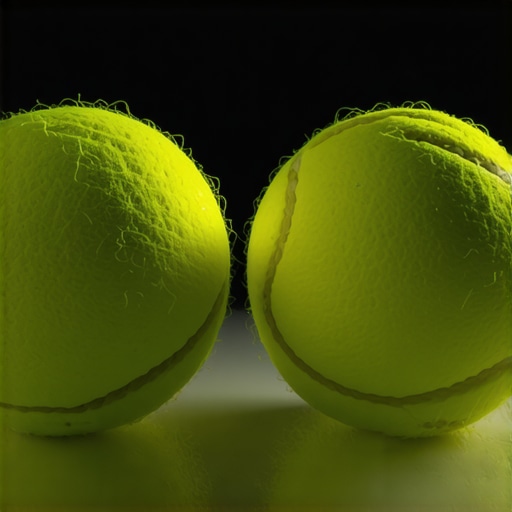
Why a tennis ball? To understand this, we must perform what I call a Glazing Zoom into the physics of friction. A new tennis ball is too abrasive; the fibers are stiff and can actually create micro-scratches. However, a scuffed, used tennis ball has softened felt fibers that act as a perfect carrier for polishing compounds. The rubber core of the ball provides a consistent, semi-rigid pressure that a cloth simply cannot match. When you apply pressure to the glass, the ball deforms slightly to follow the contour of the lite, ensuring that the frictional heat is distributed evenly across the scuff. This is critical because concentrated heat in one spot can lead to thermal stress, potentially cracking the glass if the temperature differential becomes too great between the center of the pane and the glazing bead near the frame.
“Installation is just as critical as the window performance itself. A high-performance window installed poorly will fail.” AAMA Installation Masters Guide
Thermal Dynamics in Cold Climates
In northern regions like Chicago or Minneapolis, the glass surface is under constant duress. We focus heavily on the U-Factor, which measures the rate of non-solar heat loss. A lower U-Factor means the window is better at keeping the heat inside. In these climates, we typically utilize triple-pane units with an Argon or Krypton gas fill between the lites. When a scuff occurs on the exterior surface of a high-performance window in a cold climate, it can actually become a collection point for frost. The microscopic ridges of the scratch provide a surface for water vapor to transition into ice. If left unaddressed, this ice can expand and deepen the scratch over several freeze-thaw cycles. Using a tennis ball to buff these out restores the smooth surface, allowing water to shed properly via the weep hole system in the sill pan.
Trade Cant and Technical Specifications
When assessing a window for repair, we must look at the entire assembly. Is the rough opening square? Is the shim placement providing adequate support to the frame to prevent bowing? If a window is out of square, it puts pressure on the glass, making it more susceptible to scratching during cleaning. A sash that does not sit perfectly in the frame will experience friction against the weatherstripping, which can carry grit and debris. This grit acts like sandpaper every time the operable unit is opened or closed. Professional window cleaner protocols dictate that you never use a dry cloth on glass; you need a lubricant to lift the particulates away from the surface. If you find yourself needing to buff out a scuff, you must ensure that the glazing bead is secure and that you are not pushing the glass out of its bed of sealant.
“The selection of glass and the method of its installation shall be such that the glass can withstand the design pressure without failure.” ASTM E2112 Standard Practice
The Myth of the Quick Fix
While the tennis ball technique is effective for light surface scuffs, it is not a substitute for knowing when to replace windows. If a scratch is deep enough that your fingernail catches in it, the structural integrity of the tempered or annealed glass is compromised. At that point, you are looking at a safety hazard. Furthermore, modern windows often have Low-E coatings on Surface 3 or Surface 4 to reflect long-wave infrared radiation back into the home. If the scuff has penetrated through these microscopic metallic layers, buffing will not restore the thermal performance. You will be left with a clear spot in a coating that otherwise reflects heat, creating a thermal bridge that degrades the overall efficiency of the unit. You must be precise in your diagnosis: is it a surface scuff or a coating failure?
Executing the Buffing Process
To perform this restoration, start with a clean window. Use a professional-grade window cleaner to remove all topical contaminants. Take your scuffed tennis ball and apply a pea-sized amount of specialized glass polishing paste. Work in a circular motion, keeping the ball moving to avoid localized heat buildup. Periodically check the temperature of the glass with the back of your hand. If it feels hot, stop and let it cool. Once the scuff is no longer visible, clean the area again. This process requires patience and an understanding of the material limits. It is a far cry from the ‘caulk-and-walk’ mentality of sub-par installers who would rather hide a problem than fix it. Water management and surface clarity are the two pillars of a successful glazing installation. By respecting the physics of the glass and the mechanics of the frame, you can extend the life of your fenestration products significantly. “