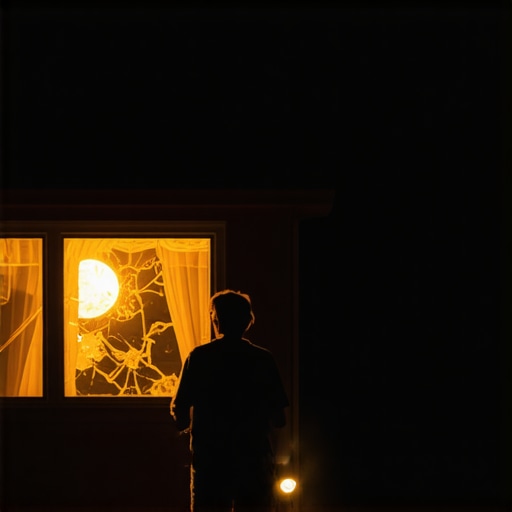
The Sound of Shattered Glass: Immediate Triage and Safety
There is no sound quite like the sharp, crystalline explosion of a window pane failing in the middle of the night. Whether it is the result of a stray rock, an attempted break-in, or the more insidious culprit of thermal stress, your first priority is containment and safety. As a master glazier with a quarter-century in the field, I have seen too many homeowners attempt to handle window repair with bare hands or thin kitchen gloves. Stop. Standard annealed glass breaks into lethal shards, not the relatively safe pebbles of tempered glass found in car windows. Before you reach for a broom, put on heavy-duty leather work gloves and thick-soled shoes. Your goal at 2:00 AM is not a permanent fix; it is securing the building envelope to prevent heat loss and deter pests.
The Condensation Crisis: A Narrative of Thermal Failure
A homeowner called me in a panic because their new windows were ‘sweating’ and eventually one simply imploded at midnight. I walked in with my hygrometer and showed them the humidity was 60%. It wasn’t the windows; it was their lifestyle, specifically a lack of ventilation in a tightly sealed house. This moisture had been condensing on the glazing bead and freezing in the weep hole channels. When the sun went down and temperatures plummeted, the expansion of that ice, combined with internal pressure from high humidity, put the sash under localized stress it was never designed to handle. That ‘sweating’ was a warning sign they ignored until the glass reached its breaking point. It is a harsh lesson in how the physics of a home must be balanced.
“Installation is just as critical as the window performance itself. A high-performance window installed poorly will fail.” – AAMA Installation Masters Guide
The Anatomy of an Emergency: Why Glass Fails at Night
Why midnight? In cold climates, this is often when the temperature delta between the interior and exterior is at its most extreme. This is where U-Factor becomes more than just a number on an NFRC label. The U-Factor measures the rate of heat loss; the lower the number, the better the window insulates. If you have an older double-pane unit where the seal has failed, the argon or krypton gas has likely leaked out, replaced by moist air. This moist air has a much higher thermal conductivity. As the exterior temperature drops, the inner pane remains warm while the outer pane shrinks rapidly. If the shim placement was too tight during the original installation, there is no room for the frame to move, and the glass becomes the sacrificial element.
[image_placeholder_1]
The Temporary Fix: Managing the Rough Opening
When you are staring at a gaping hole in your wall, you need to understand the rough opening. This is the structural framed opening in the wall that receives the window unit. For a midnight fix, you are looking to create a temporary operable barrier. Use heavy-duty 6-mil plastic sheeting or, preferably, a piece of plywood cut to fit the exterior of the sash. Use flashing tape or high-quality painter’s tape to secure the edges. Do not use duct tape on your window frames; the adhesive will bake onto the vinyl or wood, making the eventual window cleaner‘s job a nightmare and potentially ruining the finish of the frame during the permanent replace windows process.
The Physics of Replacement: Beyond the Glass
When the sun comes up and you begin the process of a permanent window repair, do not just buy the cheapest glass available. In northern climates, we battle the dew point. You want an Insulated Glass Unit (IGU) with a warm-edge spacer. Standard aluminum spacers are thermal bridges that conduct cold directly to the edge of the glass, which is where 90% of condensation-related rot begins. Look for spacers made of stainless steel or structural foam. Furthermore, ensure the low-E coating is on Surface #3. In a four-surface double-pane unit, Surface #1 is the exterior-most face and Surface #4 is the interior-most face. Placing the coating on Surface #3 reflects long-wave infrared radiation (furnace heat) back into your room, significantly reducing your heating load.
“Water penetration is the leading cause of premature building envelope failure. Proper integration of the window with the weather-resistive barrier is non-negotiable.” – ASTM E2112 Standard Practice
The Installation Autopsy: Preventing the Next Break
If you decide to replace windows entirely rather than just the glass, pay attention to the sill pan. I have performed countless ‘autopsies’ on failed windows where the homeowner complained of a draft, only to find the rough opening header was rotting because the previous installer relied on the nailing fin and a bead of caulk instead of a mechanical flashing system. A proper installation follows the ‘shingle principle’: every layer of water-shedding material must overlap the one below it. This includes the flashing tape and the head flashing (drip cap). If your installer pulls out a caulk gun before they have checked the shim gaps for level and square, send them packing. Caulk is a secondary seal, not a primary water barrier.
The Role of the Window Cleaner and Maintenance
Regular maintenance is your early warning system. A professional window cleaner does more than remove dirt; they are often the first to see a hairline crack in a muntin or a blocked weep hole. If water cannot exit the frame through the designated weep holes, it will eventually find its way into your wall cavity or freeze and crack the sash. Every spring, take a small piece of wire and clear those holes. Check the glazing bead to ensure it is still seated firmly against the glass. If it has pulled away, moisture can sit against the IGU seal, leading to premature seal failure and that dreaded ‘foggy window’ look. Investing in a quality window repair professional early can save you the multi-thousand-dollar expense of a full frame replacement later. Choose materials that match your climate: in the north, fiberglass offers the best thermal stability, as it expands and contracts at nearly the same rate as the glass itself, reducing the stress on your seals and preventing the very midnight shatters that brought you to this guide.