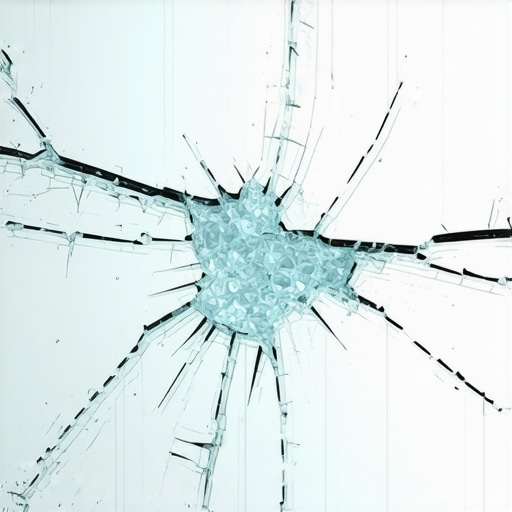
The Microscopic Catalyst for Structural Failure
A glass door is not a static object. It is a dynamic thermal barrier that lives under constant tension. I remember pulling a sliding glass door out of a residence where the homeowner had ignored what they called a ‘flea bite’ chip near the bottom glazing bead. They thought it was cosmetic. By the time I arrived, the structural integrity of the bottom rail was compromised. That tiny chip had allowed moisture to bypass the primary seal during a heavy rainstorm. Because the installer had failed to include a proper sill pan and relied on cheap flashing tape that didn’t bond to the rough opening, the water sat against the wooden subfloor for three years. The header was sagging and the subfloor was literally oatmeal. This is the reality of glass door maintenance: a small chip is rarely just a chip; it is a breach in your home’s thermal and moisture envelope.
“Installation is just as critical as the window performance itself. A high-performance window installed poorly will fail.” – AAMA Installation Masters Guide
The Physics of Tempered Tension
To understand why a chip in a glass door is dangerous, you must understand the metallurgy of the glass itself. Most glass doors are required by code to be tempered. During the tempering process, the glass is heated to over 1100 degrees Fahrenheit and then rapidly cooled via air blasts. This creates a state where the outer surfaces are in high compression while the inner core is in high tension. This equilibrium is what gives tempered glass its strength. However, when you introduce a chip, you are creating a point of concentrated stress. In a northern climate like Chicago or Minneapolis, the temperature delta between the interior and exterior can be 70 degrees or more. The exterior surface contracts in the cold while the interior surface remains warm. This thermal expansion and contraction puts immense pressure on that tiny chip. Eventually, the stress exceeds the glass’s ability to hold itself together, and the entire pane spontaneously shatters into thousands of small nuggets. This is not a failure of the glass material but a failure of physics caused by neglect.
The Role of the Glazing Bead and Weep Holes
When you see a chip near the edge of the glass, you are looking at a potential failure of the glazing bead. The glazing bead is the strip of plastic, wood, or metal that holds the glass in the sash. Its job is to create a seal, but it is rarely 100 percent watertight. This is why high-quality doors include a weep hole system. When a chip occurs, it can create a jagged edge that traps debris and prevents water from reaching the weep holes. Instead of draining out, the water sits against the edge of the glass. In cold climates, this water freezes. The expansion of ice in that tiny chip acts like a wedge, driving deeper into the glass with every freeze-thaw cycle. If you are looking for window repair, you must ensure the technician checks the functionality of these drainage paths. If the water cannot escape, it will eventually rot the frame or cause a seal failure in an Insulated Glass Unit (IGU).
Decoding the Thermal Logic: Why U-Factor Matters
In colder regions, we prioritize the U-Factor. The U-Factor measures the rate of non-solar heat loss. The lower the number, the better the door is at keeping heat inside. A chip in the glass can lead to a ‘blown’ seal in your double-pane glass. Once the argon or krypton gas escapes and is replaced by moist air, your U-Factor skyrockets. You will notice condensation forming on the inner surface of the glass. This is the dew point in action. When the surface temperature of the glass falls below the saturation point of the air inside your home, water precipitates. This moisture isn’t just an eyesore; it’s an indicator that your thermal barrier is gone. Proper window repair involves more than just filling a hole; it requires restoring the thermal integrity of the entire unit. Many homeowners think a window cleaner can simply wipe away the fog, but that fog is trapped between the panes. At that point, you are no longer looking at a simple fix; you are looking at the need to replace windows entirely to restore your home’s efficiency.
“The air leakage and thermal performance of an installed fenestration product are heavily dependent on the integration with the surrounding wall system.” – ASTM E2112 Standard Practice
The Anatomy of the Rough Opening
When a chip leads to a full replacement, the focus must shift to the rough opening and the shim. I have seen countless ‘caulk-and-walk’ installers simply slide a new door into a hole and pump it full of expanding foam. This is a recipe for disaster. A proper installation requires the door to be perfectly level, square, and plumb. This is achieved using shims placed at the hinge and strike points. If the door is not perfectly aligned, the glass will be under uneven pressure. This ‘racking’ of the frame puts additional stress on the glass. If you already have a small chip, this mechanical stress will accelerate the failure. Every time you slam an unaligned door, that chip is being hammered by the frame. The operable part of the door must move without resistance to ensure the glass is not being used as a structural member.
The Long-Wave Infrared Factor
We use Low-E coatings to manage radiant heat. In the north, we typically want that coating on surface number three. This allows the sun’s short-wave radiation to enter the home and warm the interior surfaces, while reflecting the long-wave infrared heat back into the room. A chip that penetrates the glass can expose these delicate metallic coatings to oxygen, causing them to oxidize and turn a rusty brown color. This is why a ‘simple’ chip can lead to a permanent stain across your field of vision. When a window cleaner uses harsh chemicals on a chipped area, they can inadvertently strip these coatings, further degrading the performance of the door. The science of glazing is a balance of light, heat, and structural stability. Ignoring a chip is like ignoring a crack in a dam; it is only a matter of time before the pressure becomes too much to handle.