Understanding the Integrity of Your Fenestration System
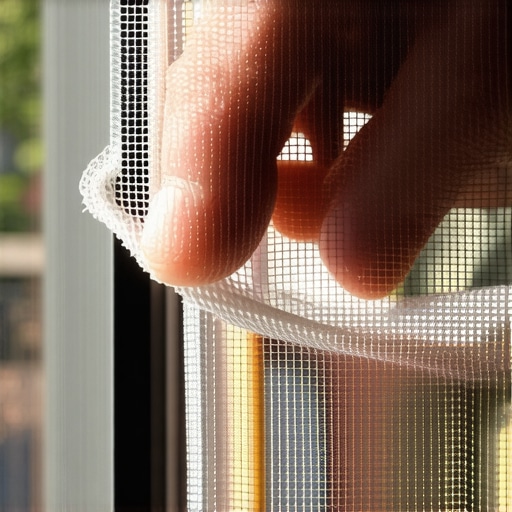
A window screen is often viewed as a secondary accessory, a simple mesh to keep out the local fauna. However, as a master glazier with a quarter-century in the field, I view the screen as the outermost layer of a complex thermal and protective envelope. When you notice a tiny hole, it is not just an aesthetic blemish: it is a breach in your home’s first line of defense. A small tear can lead to a cascade of issues, from the obvious influx of pests to the subtle accumulation of debris within the Sash tracks and Weep Hole systems, which can eventually necessitate an expensive window repair or even force you to replace windows prematurely.
“Installation is just as critical as the window performance itself. A high-performance window installed poorly will fail, and a poorly maintained screen can compromise the drainage path of the entire unit.” – AAMA Installation Masters Guide
The Narrative: A Lesson in Forensic Glazing
I once visited a client in a humid coastal region who was convinced they had a major structural failure because of a persistent whistling sound during storms. They were ready to replace windows throughout the entire south-facing wall. I arrived with my Shim kit and a level, checking the Rough Opening for any signs of settling. The frame was plumb, and the Flashing Tape was intact. However, I noticed a jagged, nickel-sized hole in a high-tension aluminum screen. In high winds, that tiny breach acted like a reed in a woodwind instrument, creating a high-pitched vibration. It was a five-minute fix, but it illustrated a vital point: the smallest defect in your window assembly can have outsized consequences on your comfort and the perceived health of the unit.
The Science of the Mesh: Why Material Matters
Before we discuss the patching process, we must perform a technical zoom into what you are actually repairing. Most modern screens are made of fiberglass, which is a glass fiber core encapsulated in a protective vinyl coating. This coating is engineered with UV inhibitors to prevent the sun from turning the mesh brittle. In hot climates, such as those found in Texas or Arizona, the Solar Heat Gain (SHGC) is a primary concern. High-density solar screens are designed to reflect a percentage of radiant energy before it even reaches the glass Surface #2. When a hole appears, you are not just letting in flies: you are creating a point of thermal concentration. If you have aluminum mesh, you are dealing with a material that is prone to oxidation and permanent denting, which requires a different mechanical approach than the more flexible fiberglass counterparts.
Step-by-Step Professional Patching Technique
If you are looking for a window cleaner to simply wipe down the glass, you are missing half the job. A true professional maintains the screen to ensure the Operable parts of the window remain clear of debris. Here is how to patch a small hole without it looking like a botched DIY project.
- Preparation: Clean the area around the hole with a mild detergent. Any oils or particulate matter will prevent the adhesive or the new mesh from bonding correctly.
- Trimming: Use a sharp utility knife or specialized shears to trim the jagged edges of the hole into a clean square or rectangle. This might seem counterintuitive, but a geometric shape is much easier to patch than an irregular tear.
- The Patch Selection: For fiberglass, use a self-adhesive patch. Ensure the patch extends at least half an inch beyond the edges of the Rough Opening of the tear. For aluminum, you will need a small scrap of matching wire mesh.
- The Mechanical Bond: If using aluminum, unweave a few strands from the edges of your patch. Fold these wires at a 90-degree angle, poke them through the existing screen, and then fold them flat on the other side to lock the patch in place.
- Heat Setting: For a more permanent fiberglass fix, some professionals use a low-heat source to lightly soften the vinyl coating of the patch and the original screen to create a fused bond, though this requires extreme precision to avoid melting the core.
“Proper maintenance of insect screens is essential to prevent the accumulation of organic debris that can obstruct weep holes and lead to accelerated frame degradation.” – NFRC Care and Maintenance Standards
When Patching Fails: The Case for Full Replacement
There comes a point where patching a hole is like putting a finger in a levee. If you notice that the mesh is “silvering” or becoming dusty to the touch, the UV inhibitors have failed. The vinyl coating is gone, and the glass fibers are exposed. At this stage, the screen will continue to tear with the slightest pressure. This is often the time to consult a specialist in window repair to re-screen the entire Sash. Re-screening involves removing the Spline (the rubberized cord that holds the mesh in the frame), laying new mesh with the correct tension to avoid bowing the frame, and rolling the spline back into the groove. If your frames are roll-formed aluminum and have started to warp, you may find that the screen no longer sits flush against the Glazing Bead, allowing insects to bypass the barrier entirely.
The Role of Screens in Thermal Management
In warmer climates, the screen acts as a sacrificial layer against the sun. By maintaining a pristine screen, you reduce the load on your HVAC system by diffusing direct sunlight. This is why a window cleaner who understands the technical side of the trade will often recommend a deep cleaning of the screens twice a year. Dust-clogged screens reduce Visible Transmittance and can actually trap heat against the glass, increasing the temperature of the air between the screen and the pane. This stagnant air can lead to increased Dew Point issues on the exterior glass surface during humid mornings. By repairing holes and keeping the mesh clean, you are supporting the overall window repair strategy of your home, ensuring that the Sill Pan remains dry and the Muntin bars are not subjected to unnecessary moisture traps. Don’t wait until you need to replace windows to start thinking about the health of your screens. A small patch today preserves the high-performance engineering of your glazing system for years to come.