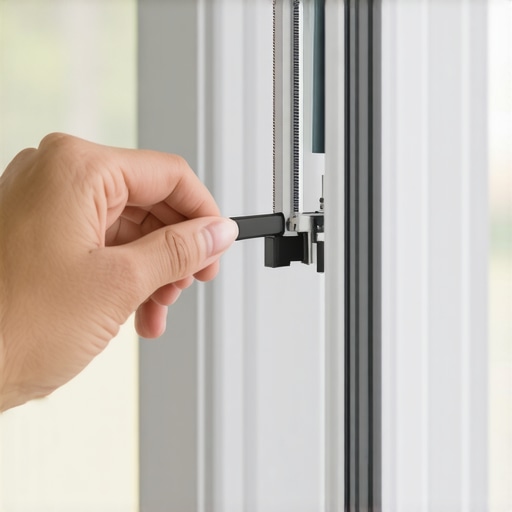
The Invisible Skeleton of a High-Performance Window
In my twenty-five years as a glazier, I have seen the same tragedy play out in thousands of residential homes. A homeowner invests fifteen thousand dollars to replace windows, only to find that three years later, the sashes are bowing, the locks do not line up, and the wind whistles through the meeting rail during a winter gale. When I arrive for a window repair consultation, the first thing I do is reach into my pocket for a simple $2 neodymium magnet. This tool is the ultimate lie detector in the fenestration industry. It reveals whether the manufacturer actually installed the structural steel reinforcement they promised in their glossy brochures or if they sold you a hollow plastic shell that relies on hope rather than physics to stay straight.
The Bowed Sash: A Cautionary Tale from the Field
I remember a specific project on a wind-swept hill where the homeowner had just installed twenty-four double-hung vinyl windows. Within six months, they couldn’t engage the locks without two hands and a lot of swearing. I pulled a window cleaner squeegee across the glass and immediately saw the problem: the meeting rail was smiling at me. It had bowed nearly a quarter-inch in the center. I ran my magnet across the horizontal rail of the sash. Nothing. No pull, no resistance. The manufacturer had skipped the galvanized steel stiffeners to save a few dollars on production costs. Without that metal spine, the uPVC (unplasticized polyvinyl chloride) simply succumbed to the thermal pressure and the tension of the constant wind. We ended up having to replace the sashes entirely because a window repair cannot fix a lack of structural integrity.
“Installation is just as critical as the window performance itself. A high-performance window installed poorly will fail.” – AAMA Installation Masters Guide
The Physics of Vinyl and Why Reinforcement is Non-Negotiable
Vinyl is a fantastic insulator, but it possesses a high coefficient of linear thermal expansion. In plain English, this means it moves. A lot. When the sun hits a dark-colored vinyl frame, or even a white one in high-heat environments, the material wants to expand. Conversely, in a cold climate like Minneapolis or Chicago, the vinyl contracts. If the rough opening was tight and the shim placement was improper, this movement is magnified. However, the biggest threat is the ‘memory’ of the plastic. Without internal metal reinforcement, a vinyl sash that bows under heat may never return to its original square shape. This is why we look for galvanized steel or aluminum stiffeners inside the largest hollow chambers of the vinyl profile. While aluminum is great for corrosion resistance, it is non-magnetic. Most high-end vinyl windows utilize galvanized steel because it provides the highest modulus of elasticity for the lowest cost. If your window has steel inside, a magnet will stick to the vinyl frame right where that metal is hidden.
How to Perform the $2 Magnet Test
To perform this test, you do not need to be a Master Glazier. Purchase a strong neodymium magnet. These are the small, silver, powerful magnets often found in hardware stores. Start at the meeting rail—this is the horizontal part of the window where the two sashes meet and the lock is located. Slowly slide the magnet across the length of the rail. If the window is properly reinforced, the magnet will ‘grab’ or show significant resistance at certain points. Do the same for the vertical stiles, especially on larger windows over 36 inches in height. If the magnet slides off like it is on ice, you are looking at a window that relies solely on the thickness of the vinyl walls for its strength. For a window cleaner, this lack of reinforcement is obvious; the window feels ‘floppy’ when tilted in for cleaning. For a homeowner, it means the air infiltration ratings will skyrocket as the frame loses its seal.
“The structural performance of a window assembly is dependent upon the interaction of the frame, the glass, and the internal reinforcement members.” – ASTM E2112 Standard Practice
The North/Cold Logic: Why U-Factor Demands Stability
In colder regions, we focus heavily on the U-Factor. We want triple-pane glass, Argon gas fills, and Low-E coatings on Surface #3 to keep the heat inside. But here is the technical catch: triple-pane glass is heavy. A standard IGU (Insulated Glass Unit) with three layers of 1/8-inch glass weighs significantly more than a double-pane unit. If you put that heavy glass into a vinyl sash that lacks metal reinforcement, the bottom rail will eventually ‘belly’ out. This creates a gap between the glazing bead and the glass, allowing moisture to enter the glazing pocket. Once water sits in there, it attacks the spacer seal, leading to premature IGU failure. You don’t just need a window repair at that point; you need a complete glass replacement. The magnet test ensures that the ‘skeleton’ of the window can actually support the high-performance glass you paid for.
Trade Cant and Technical Tolerances
When you are looking to replace windows, ask the salesperson specifically about the ‘Moment of Inertia’ of their reinforced profiles. Watch their eyes. If they blink, they are just a salesman. If they start talking about the gauge of the galvanized steel and the weep hole drainage system, you are talking to a pro. A quality window will have reinforcement in the meeting rail as a minimum requirement, but the best units reinforce the entire perimeter of the operable sash. This prevents the window from becoming ‘out of square’ within its own frame, ensuring that the weatherstripping remains compressed and the sill pan stays dry. Proper water management depends on the window maintaining its shape so that water is directed to the weep hole and not into your wall cavity.
Final Thoughts for the Savvy Homeowner
Don’t be afraid to be the ‘difficult’ customer. When the window samples are brought to your kitchen table, pull out your magnet. It is a silent way of letting the contractor know that you understand the difference between a ‘builder-grade’ shell and a structurally sound architectural product. A window is a hole in your home’s thermal envelope; ensure it has the backbone to stand up to the elements for the next thirty years. Whether you are hiring a window cleaner to maintain your view or seeking a window repair for a minor hardware issue, the underlying structure remains the most critical factor in your home’s efficiency and comfort.