
It was a chilly Saturday morning when I finally faced the harsh reality: my old windows were doing more harm than good, leaving my home drafty and wasting precious energy. That moment, feeling a cold gust seep through faulty seals, was a wake-up call. I realized I could no longer ignore the signs—drafty air, rattling sashes, or foggy glass—and needed to act before winter hit. Like many homeowners, I used to believe that replacing windows was a hassle and a luxury, thinking I could put it off until something drastic happened.
But as I delved deeper into the 2026 Efficiency Checklist, I discovered it’s not just about upgrading for comfort; it’s about safeguarding our wallets and the environment. The truth is, poorly maintained or outdated windows can cause energy bills to skyrocket—saving money and improving home comfort is worth the effort.
Today, I promise to walk you through the essential steps to assess whether your windows truly need replacing or repairing, based on my experience and trusted tips. We’ll explore how to distinguish between minor issues and signs that demand urgent attention, saving you both time and money.
Why Now is the Time to Rethink Your Windows
The push for efficiency in 2026 makes it a pivotal year. Experts agree that replacing or repairing windows can slash energy bills significantly—up to 15-20%—which is crucial as energy costs continue to rise (source: [SeethruWindow](https://seethruwindow.com/7-expert-window-repair-tips-to-slash-your-energy-bills-in-2026)). But many homeowners wait until problems become glaring, like cracked glass or condensation between panes. That delay often leads to costlier fixes and unnecessary discomfort.
By addressing these issues early, you not only improve your home’s comfort but also contribute to greener living by reducing energy waste. It’s tempting to ignore the warning signs, but I’ve learned that proactive maintenance can extend the lifespan of your windows and prevent costly replacements down the line.
Does tackling window issues seem like a daunting task? Believe me, I thought so too. I’ve made mistakes—like trying to fix a sash window myself without proper tools—which ended up voiding my warranty and costing more. So, if you’re feeling overwhelmed, don’t worry. I’ll guide you through simple, effective solutions that you can implement yourself or with trusted professionals.
We’re about to uncover the most common signs it’s time to replace your windows and how to do it smartly—avoiding unnecessary expenses and ensuring your home is ready for whatever 2026 throws at us. Ready to get started? Let’s dive into the symptoms that scream, “Replace me now!” and how to evaluate your windows’ true condition.
Inspect the Condition of Your Windows
Start by examining your windows thoroughly. Look for cracks, foggy glass, damaged seals, and signs of rot. Check if the sashes rattle or if the frame warps. I once noticed my sash rattling every time the wind blew; I secured it temporarily, but knew a more permanent fix was needed.
Test the Seal Integrity
Close the windows and place a dollar bill halfway in the frame. If you can pull the bill out easily with resistance, your seal is compromised. This simple test helped me identify which windows were losing efficiency, prompting targeted repairs instead of full replacements. For more, learn how to evaluate seal failure with seal testing techniques.
Decide Between Repair and Replacement
Assess the extent of damage. Minor issues like loose sashes or small cracks can often be fixed with cost-effective repairs. Larger structural problems or extensive rot indicate that replacement might be more sensible. I remember trying to repair a cracked glass pane myself; I used a DIY sealant but only temporarily masked the problem. Sometimes, trusting the experts offers better long-term value.
Fix Common Window Issues
For rattling sashes, apply new weatherstripping or adjust the fittings. Replacing worn seals helps improve energy efficiency. Use weatherstripping tape around frames—it’s like giving your window a new jacket, sealing out drafts effectively. To avoid inhaling or using harmful chemicals, consider eco-friendly green solutions during repairs.
Address Foggy or Milky Glass
Fog between panes is often due to failed seals. Replacing sealed units is the most reliable fix. I once attempted to drill out the foggy glass myself, but it only made things worse. Instead, calling professionals for sealed-unit replacement ensured the job was done right, preventing further damage. Learn more about trusted repair tips.
Prepare for Replacement if Needed
If your assessment confirms it’s time for new windows, measure accurately. Note the width, height, and depth of your current openings. When selecting new units, look for energy-efficient models with double or triple glazing. In my case, I worked with local experts to find affordable options that matched my home’s style while meeting the latest standards, leading to savings on energy bills.
Remove Existing Windows Safely
Carefully remove the old units by unscrewing fasteners and gently prying frames. Wear protective gear—safety glasses and gloves are essential. Think of this step as deconstructing an old, shaky fence—it’s better to do it carefully to prevent injury or property damage. If you’re unsure, consult trusted replace window guides.
Install the New Windows Correctly
Position the new window into the frame, making sure it’s level and plumb. Seal gaps with high-quality insulation foam or caulk to prevent drafts. Secure the unit with screws, then test the operation—open and close smoothly without rattling. Remember, proper installation ensures longevity and efficiency, so don’t rush this step. For detailed tips, see our trusted installation strategies.
Final Checks and Maintenance
After installation, clean the glass with streak-free cleaners and inspect for drafts. Apply weatherstripping as needed. Regular maintenance, like cleaning with proven window cleaner solutions, extends your investment. I’ve found that a quickannual check of seals and hardware prevents many issues before they escalate, saving costly repairs down the line.
Many homeowners fall prey to misconceptions about maintaining and upgrading their windows, often leading to unnecessary costs and missed opportunities for energy savings. Let’s debunk some of the most pervasive myths and unveil the hidden nuances that can make a significant difference in your approach. First, there’s the belief that all window repairs are temporary solutions. In reality, knowing when a repair suffices versus when replacement is truly necessary requires a nuanced understanding of the window’s condition. For example, minor seal failures can often be fixed with targeted repairs like replacing weatherstripping or addressing sash issues, which are cost-effective and sustainable, as detailed in our repair guides. Conversely, assuming that repair can indefinitely postpone replacement is a trap. Advanced issues, such as structural rot or persistent fogging due to seal failure, demand timely replacement to prevent escalating damage and energy losses. This is where many slip up, unaware that over-repairing can lead to greater expenses down the line. Another common myth is that window cleaning is purely cosmetic—believing it doesn’t impact energy efficiency. However, streak-free, eco-friendly cleaning not only improves appearance but also optimizes transparency and heat transfer, as explained in trusted cleaning tips. Advanced homeowners also often overlook the importance of assessing the window’s hardware and frame integrity, which can be subtle indicators of the overall health. For example, loose or warped frames may lead to drafts or compromised seals, undermining energy efficiency. The danger lies in neglecting these nuances and relying solely on surface appearances. Make sure to perform thorough inspections, including testing seal integrity with simple methods like the dollar bill test, and consider consulting professional assessments when in doubt. Lastly, many assume that replacing windows is a straightforward process that doesn’t require expert guidance. Yet, improper installation can nullify potential energy savings and shorten the lifespan of new units. Proper measurement, secure sealing, and ensuring level installation are critical, which is why trusting experienced professionals is a smart move. If you’re ever unsure about which route to take, I recommend examining your specific situation with a comprehensive review—sometimes, a trusted expert consultation can save you both money and trouble. Remember, the key to effective window maintenance and replacement lies in recognizing the subtle telltale signs and understanding the nuances that differentiate a quick fix from a long-term solution. Have you ever fallen into this trap? Let me know in the comments.Keeping your windows in top shape requires more than just occasional cleaning or repairs; it demands the right tools, consistent maintenance, and a proactive approach to extend their lifespan. As someone who has navigated the nuances of window upkeep, I can attest that investing in quality equipment makes all the difference.
Choosing the Right Tools for Effective Maintenance
One of my go-to tools is a high-precision digital moisture meter, which helps me detect early signs of rot or seal failure behind the glass without dismantling the entire window. This device provides quick, accurate readings, allowing me to act before minor issues escalate. I also rely on a reliable sash clamp to stabilize windows during repairs—preventing unnecessary strain or misalignment. For cleaning, I prefer eco-friendly microfiber cloths paired with a specialized streak-free cleaner like the one recommended in trusted cleaning tips; they help me achieve crystal-clear glass without streaks or damage.
Maintaining Windows Over Time
Regular inspections are crucial. I schedule semi-annual checks to test seal integrity—you can do this simply by the dollar bill trick. Additionally, applying weatherstripping annually restores tight seals that prevent drafts and moisture intrusion. For tougher issues like persistent fogging, I’ve found that professional sealed-unit replacement, guided by best practices outlined in expert advice, offers a long-term solution that saves money and energy.
Scaling Up for Larger Projects
If you’re considering a full window overhaul, investing in a cordless power drill with adjustable torque settings is invaluable. It speeds up removal and installation, reducing labor fatigue and errors. For comprehensive upgrades, I recommend consulting with professionals who utilize precision measurement tools for accurate sizing, ensuring your new windows fit perfectly and maximize energy efficiency. Trend prediction suggests that as smart home integration advances, future tools will include IoT-enabled sensors to monitor window health remotely, potentially reducing maintenance visits.
How do I maintain windows over time? And what advanced tools can I incorporate to simplify the process?’
One practical tip is to incorporate a UV-resistant, eco-friendly sealant during maintenance, prolonging the life of weatherstripping and seals. Also, experimenting with automated window sensors that notify you of seal failures or drafts can revolutionize your upkeep routine, making maintenance less reactive and more preventive. For tips on selecting such innovative solutions, explore trusted trusted repair and maintenance strategies. Why not try one of these advanced tips—like installing a moisture meter or auto-monitoring sensors—and see how they transform your window management?”}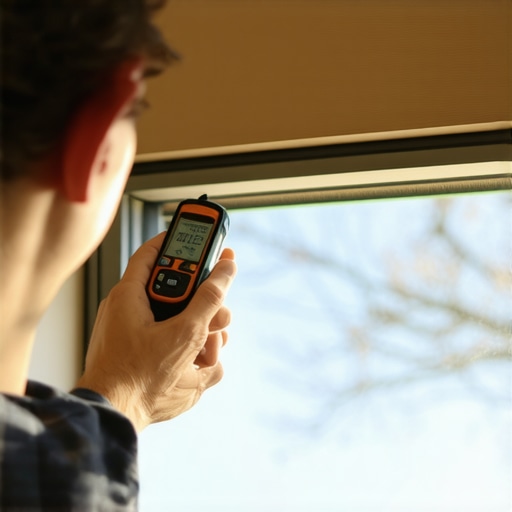 ,
,
Through my journey repairing and replacing windows, I’ve discovered that the true power lies in the details—knowing when to repair, how to choose the right tools, and recognizing subtle signs of wear that most overlook. This insight has transformed my approach from reactive fixes to proactive excellence, saving me money and energy while enhancing comfort.
Lessons that Changed My Window Game
- Not all cracks are equal: What I thought was trivial often indicated deeper seal failures or rot, teaching me to look beyond the surface and assess structural integrity thoroughly.
- DIY isn’t always a bargain: Attempting quick fixes without proper tools or knowledge can void warranties or cause additional damage—I’ve learned that trusting professionals when in doubt pays off in the long run.
- Early signs matter: Small drafts or condensation between panes are warning flags. Addressing these early with targeted repairs stops minor issues from turning into costly replacements.
- The right tools make all the difference: Using eco-friendly sealants and moisture meters has enhanced my ability to maintain and diagnose window issues effectively, prolonging their lifespan.
- Consistency is key: Regular inspections and maintenance routines keep my windows performing at their peak, reducing unexpected failures and energy costs.
My Toolbox for Window Wisdom
- Trusted window cleaning guides—for crystal-clear views and streak-free windows, avoiding damage while keeping glass pristine.
- Affordable repair strategies—reliable solutions that save money and extend window life without sacrificing quality.
- Energy-saving tips—learn how to cut costs with proper sealing, insulating, and selecting the best replacement options for your home.
- Seal-fix techniques—simple methods to improve efficiency before considering full replacement, often saving hundreds.
- Timing your replacement—strategies for upgrading windows just before peak seasons, ensuring optimal comfort and savings.
Your Next Step Towards Smarter Windows
Embracing these lessons and tools, you can confidently navigate window maintenance in 2026, turning challenges into opportunities for long-term savings and sustainability. Remember, the journey from uncertainty to mastery is ongoing—every small repair or upgrade adds up to significant benefits.
Are you ready to implement these insights and transform your home’s windows into resilient, energy-efficient assets? Share your thoughts or questions below—your experience could inspire others to take their window care to the next level!