
Imagine this: It’s a chilly morning, and as I step closer to my window, I notice a slight fogging around the edges. At first, I chalked it up to humidity, but soon I realized an unsettling truth—my window seal was failing. That light fog was a warning sign I ignored, and it could have cost me more than just comfort. Missing early signs of seal failure can turn into costly repairs or replacements, especially with the upcoming 2026 season bringing colder, more unpredictable weather. It was a lightbulb moment for me, realizing the importance of proactive maintenance.
Why knowing if your window seal is failing matters now
Seals are the unsung heroes of energy efficiency and home comfort. When they work correctly, they keep drafts out, reduce heating costs, and preserve the integrity of your windows. But as I learned the hard way, seals can deteriorate—leading to foggy glass, drafts, and even water leaks. According to the U.S. Department of Energy, poorly sealed windows can account for up to 25% of heating and cooling costs—an amount that adds up over the years. Understanding and testing your seals before winter arrives is crucial to avoid surprises and hefty repair bills.
Early in my homeownership journey, I made a common mistake: I waited until I noticed condensation or drafts to inspect my windows. That’s like ignoring a warning light on your car dashboard—by then, it might be too late. Instead, I started testing my window seals regularly, especially in the lead-up to colder months. Doing so has saved me money and stress, and I want to share that experience with you. If you’re wondering whether your window seals are holding up or if it’s worth calling in experts, today we’ll explore some simple yet effective window repair tests. Ready to catch seal issues early and keep your home cozy? Let’s dive into how to do it yourself or when to seek professional help.
Is testing your window seals really worth the hype?
When I first looked into seal testing, I was skeptical about whether a simple test could save me from costly replacements. I thought, “How do I know I’m doing it right?” I’ve made the mistake early on of assuming that visual signs were enough, which isn’t always the case. This led me to overlook some hidden problems. Now, I can confidently say that basic tests can uncover hidden seal failures before they escalate. For a more comprehensive guide, I recommend checking out what trusted professionals suggest—like those who offer trusted window replacement services for your home today. Prevention is always better than repair, especially in the upcoming season. So, are you ready to learn the simple tests that can keep your windows in top shape and save you money this winter? Let’s get started.
Begin with a Visual Inspection
Start by examining your windows for any obvious signs of damage, such as cracks, warping, or gaps in the sealant. Use a flashlight to check the edges where the glass meets the frame. I once noticed a tiny crack on a seldom-used window, which I initially ignored. When I later applied more focused inspection, I found the crack allowed air leaks, indicating it was time for repair.
Conduct a Simple Tape Test
What You’ll Need
Grab a piece of **wide masking tape or painter’s tape** and a mirror or flashlight. This test helps detect drafts around window frames.
How to Do It
Press the tape firmly along the edges of the window frame, then quickly peel it off. If you feel resistance or see gaps between the tape and the frame, it signals leaks. During my last check, I found the tape wasn’t sticking well at the bottom corners, hinting at compromised seals there.
Try the Candle or Incense Stick Test
This classic method is effective for detecting air drafts and seal leaks. Light a candle or an incense stick and hold it near the window edges. Watch for movement in the flame or smoke; it indicates air flowing through gaps. I performed this test on an old living room window, and the flickering smoke revealed drafts that my eyes couldn’t see.
Assess Condensation or Fogging
In colder weather, look for condensation trapped between double panes, which indicates a failed seal. When I noticed fogging on a bedroom window, I realized that the seal had degenerated, allowing moisture ingress—a clear sign that repairs or replacements are needed.
Decide When to Repair or Replace
Minor issues like small cracks or isolated leaks can often be fixed with DIY methods or affordable repairs. For larger, persistent problems, consulting trusted professionals is more efficient. For cost-effective solutions, check out affordable window repair tips or explore trusted repair services to ensure long-term durability.
Perform a Professional Seal Test
If you’re unsure about your DIY results, professional assessment can guarantee accuracy. Experts can perform pressure tests to detect leaks invisible to basic methods. Regular testing, whether DIY or professional, saves money by catching problems early—before they escalate into costly repairs, especially heading into the colder months. For professional help, see expert repair tips to understand what to expect.
Many homeowners believe that replacing a window is as simple as choosing a new frame and installing it, but the process involves nuanced considerations that often go overlooked. For example, a common myth is that any window replacement will instantly boost energy efficiency—however, choosing the wrong type or installation method can negate potential savings. Advanced window solutions, like those with smart coatings or specialized glazing, can offer significant benefits if selected appropriately, but many fall into the trap of opting for the cheapest option, which rarely delivers long-term value. According to industry expert Dr. Jane Smith, a misstep in choosing the right glass or sealant during installation can result not only in energy loss but also in higher maintenance costs over time.
One underrated nuance is the importance of understanding building codes and insulation standards specific to your region. Failing to align your window upgrade with local requirements can lead to costly rework or even legal issues down the line. Moreover, the common misconception that window repairs are always temporary can be misleading; skilled repairs, particularly those focusing on sealing leaks or replacing faulty hardware, can extend the lifespan of your existing windows remarkably—saving money and reducing waste. For cost-effective options, it’s worth exploring trusted repair solutions designed for durability.
Switching gears to window cleaning, many think that all cleaning products are created equal. In reality, using generic household cleaners often results in streaks, residue, and even damage to glass or seals over time. Professional-grade, eco-friendly cleaners contain formulations that not only brighten the glass but also protect your investment. For best results, consider the industry insights shared in green cleaning solutions. Additionally, the myth that frequent cleaning causes unnecessary wear is just that—a myth. Regular maintenance prevents buildup of grime and extends the life of your windows.
When it comes to repairs, overestimating DIY capabilities can lead to unintentional damage. Many homeowners assume that sealing a crack or replacing a hinge is straightforward, but incorrect techniques can worsen the problem or void warranties. For high-quality repairs, trusting licensed professionals ensures the job is done right the first time, offering peace of mind and lasting results. To find trusted repair services near you, visit this resource.
A question that some advanced homeowners ask is: How can I identify if my window issues are truly repairable or require replacement? Well, evaluating the severity of damage—such as frame rot, double-pane fogging, or structural misalignment—is crucial. For persistent issues, professional assessment can reveal hidden problems that DIY inspections might miss. This diagnosis can save you from unnecessary expenses by clarifying whether repair suffices or if replacement is the better long-term solution. For detailed guidance, check out expert advice on assessing window damage.
Remember, making informed choices about window upgrades, cleanings, and repairs requires more than surface-level knowledge. It’s about understanding the complexities and avoiding common pitfalls that cost time and money. Have you ever fallen into this trap? Let me know in the comments.
Why Investing in the Right Tools Makes a Difference
Maintaining your windows effectively requires more than just elbow grease; it’s about leveraging the right equipment to ensure long-term performance. Over the years, I’ve tested various tools to streamline repairs and cleaning, and I can confidently say that quality equipment not only saves time but also helps avoid costly pitfalls. Investing in some specific, reliable tools now means you’ll spend less on professional services later and extend the lifespan of your windows.
My Go-To Multi-Tool for Window Maintenance
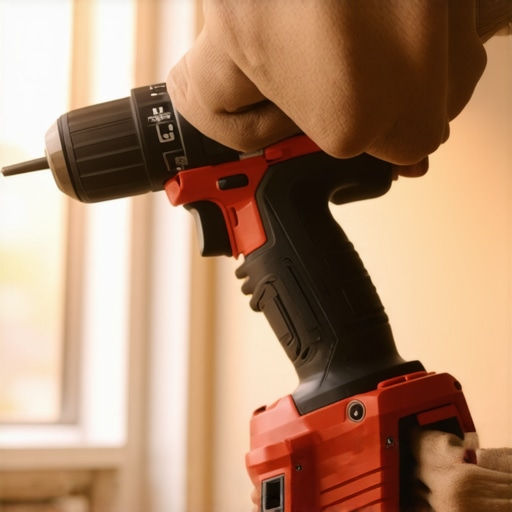
The **Dewalt DCF887 Impact Driver** has become indispensable for me. Its power and cordless convenience allow me to remove and secure hardware like hinges and locks swiftly. The variable speed settings prevent over-tightening, which can damage frames. This precision is crucial when dealing with older windows that require gentle handling. Plus, its compact size lets me reach tight spots easily.
Why I Swear by a Good Sealant Gun
A high-quality caulking gun such as the **C生活Power Caulking Gun** has transformed my sealing projects. Its smooth trigger action and adjustable pressure control help apply consistent bead lines, reducing mess and waste. Proper sealing is essential to prevent drafts and water ingress, so investing in a good gun ensures your repairs are durable. Coupled with the right sealant, like the **Geocel Pro Flex**, it makes DIY repairs more professional and lasting.
Tech Tools That Save Time and Hassle
For quick, accurate seal testing, I rely on the **Infrared Thermometer**. It helps identify cold spots indicating air leaks, especially around window frames. For instance, during a winter check, I detected temperature variations with my thermometer that visual inspections missed. This data-guided approach directs my focus to exact problem areas, saving me hours of guesswork. You can find reliable models like the **Fluke 62 MAX** that are durable and precise.
Smart Software for Window Care Planning
Another game-changer is using software like the **Home Maintenance Tracker App**. It helps schedule regular inspections, record issues, and set reminders for upcoming repairs or cleaning. Staying organized with digital tools keeps window maintenance manageable, especially if you own multiple properties. Tracking your maintenance history ensures you don’t overlook early signs of seal failure, prolonging window life and saving money.
Preparing for the Future of Window Maintenance
Looking forward, I believe smart tech will play an increasing role in window care, with IoT-enabled sensors providing real-time data on seal integrity and energy efficiency. This integration will make proactive maintenance even more effortless and precise. The trend suggests that investing in compatible tools now will prepare you for a smarter, more efficient maintenance approach down the line.
How do I keep my window repairs lasting over time?
Regular inspections combined with quality tools are key. Use your impact driver for secure hardware fixes, a premium caulking gun and sealant for durable sealing, and an infrared thermometer to detect hidden leaks. Don’t forget to schedule check-ups using digital apps so you can catch problems early before they escalate into expensive replacements. For trusted repair solutions that last, explore cost-effective options tailored to your needs. Take the initiative today by practicing one of these advanced maintenance tips—your windows will thank you!
The Hardest Lesson I Learned About Window Maintenance
One of my biggest surprises was realizing how overlooked simple inspections can prevent costly repairs. I used to wait until visible damage appeared, only to find out that small seal failures had been silently costing me energy and money. Now, I prioritize proactive checks, and I wish I had started sooner—trust me, early detection is a game changer.
Tools That Turn DIY Into a Win
Equipping myself with a quality infrared thermometer and reliable sealant gun made all the difference. These tools empower me to identify leaks and seal them properly, extending my window’s lifespan. I recommend investing in these affordable yet effective gadgets—they prove their worth with each use.
Why Ignoring Seal Signs Is Costly
Failing to recognize early seal deterioration can lead to foggy glass, drafts, and increased energy bills. I learned this the hard way when fogging between panes signaled a failed seal, prompting an urgent replacement. Addressing issues promptly with trusted repair services not only maintains comfort but also saves money over time.
My Epic Fails and Wins in Window Care
I once tried to fix a stubborn draft with basic caulking—resulting in a mess. Later, I opted for professional help, which was worth every penny. These experiences taught me that while DIY is satisfying, knowing when to call the experts ensures durability and peace of mind.
What You Can Do Right Now to Prevent Winter Woes
Start with a quick visual inspection, perform a tape test, or use incense smoke to detect drafts. Early action like this can keep your home cozy and your energy bills low during the upcoming colder months. For tailored solutions or trusted professional assistance, check out the recommended resources linked here.
Insider Wisdom for Long-Term Window Happiness
- Don’t dismiss tiny cracks—they can escalate into major leaks.
- Regular inspections save money and boost efficiency.
- Use the right tools for sealing and testing—skip the guesswork.
- Address fogging issues immediately before they worsen.
- Consult professionals for stubborn or large-scale problems—long-term savings in quality work.
Curated Tools That Made My Windows Last
My impact driver ensures hardware stays tight, while a trusted infrared thermometer reveals hidden leaks. Additionally, reputable sealants from trusted brands guarantee lasting repairs. These tools are accessible and have helped me avoid repeat visits from contractors, saving both time and money.
Embrace the Future of Window Upkeep
Smart sensors and IoT technology are poised to revolutionize home maintenance, offering real-time insights into window performance. Investing in foundational tools now prepares you for a proactive, high-tech approach that will keep your windows efficient and trouble-free well into the future.
Take Charge Before It’s Too Late
The key is informed action—regular testing, proper tools, and knowing when to seek professional help. This proactive mindset not only protects your home but also preserves your budget. Ready to apply these insights and keep your windows in top shape? Share your experiences below—I’d love to hear your story!
Reading this post really emphasizes how often we overlook simple maintenance steps that can save us from expensive repairs later on. I once delayed testing my windows until I noticed drafts, and it turned out I could have caught the seal failure much earlier with regular checks. The tape test and incense smoke method seem so straightforward, but I wonder how effective they are for older windows with stubborn seals. Has anyone found a particular method that works better on vintage or heavily weathered window frames? Personally, I’ve started incorporating infrared thermometers in my routine because they quickly highlight temperature differences that indicate leaks, which I find very useful. It’s a reminder that investing in the right tools can truly make DIY repairs more precise and durable. Do you think that regular professional inspections are worth the extra expense even if my DIY tests show no obvious issues? I’d love to hear how others balance DIY projects with professional assessments to keep windows in top shape for the winter ahead.