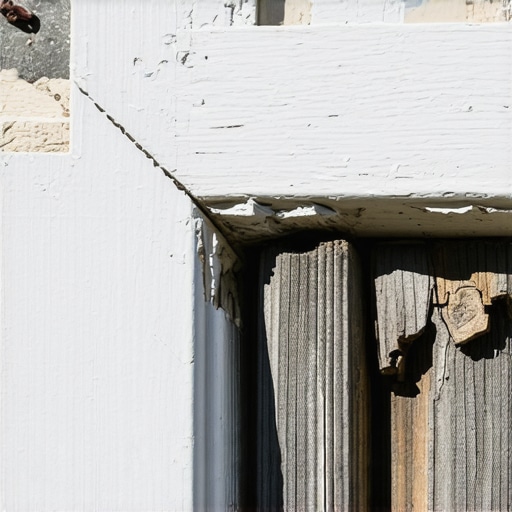
The Silent Decay: Why Wood Rot is the Architect’s Nightmare
Wood rot is not merely an aesthetic blemish; it is a biological failure of the building envelope that threatens the structural integrity of your home. As a master glazier with over two decades in the field, I have seen the devastating results of homeowners ignoring a small paint bubble only to find that their rough opening has been compromised by Serpula lacrymans or other wood-decaying fungi. When we talk about window repair, we are often talking about a race against biology. If you catch the decay early, you might save the sash; if you wait, you will be forced to replace windows entirely.
The Installation Autopsy: A Case Study in Failure
I recall a project in a historic district where the homeowner noticed a slight softness in the glazing bead of a north-facing window. Upon further inspection, I pulled back the exterior casing and found that the header was completely black with rot. Why? The previous installer, likely a ‘caulk-and-walk’ contractor, had relied solely on the nailing fin and a bead of cheap silicone instead of proper flashing tape and a sill pan. Water had been infiltrating through the muntin joints for years, trapped behind the paint, slowly digesting the cellulose fibers of the wood. This is the reality of poor moisture management.
“Installation is just as critical as the window performance itself. A high-performance window installed poorly will fail.” – AAMA Installation Masters Guide
The Physics of Decay: Dew Point and Moisture Migration
In colder climates, the enemy is often internal. We look at the U-Factor, which measures the rate of heat loss. When a window has a high U-Factor, the interior surface of the glass becomes a cold plate. When the warm, humid air of a kitchen or bathroom hits that cold surface, it reaches the Dew Point. This condensation doesn’t just sit on the glass; it follows gravity down to the bottom rail and the sill. If the paint film has even a microscopic crack, that water is pulled into the wood grain via capillary action. A professional window cleaner might see the surface moisture, but as a glazier, I see the potential for rot. This is why we advocate for warm-edge spacers and triple-pane units in northern zones; keeping the interior glass temperature above the dew point is the first line of defense against wood rot.
How to Perform a Professional Wood Rot Inspection
To spot rot before it necessitates a total replace windows order, you must look beyond the surface. Use an ice pick or a small screwdriver to probe the sill and the lower corners of the operable sash. If the wood yields more than an eighth of an inch with minimal pressure, the cellular structure has failed. Check the weep holes in your storms or the drainage paths of your primary frames. If these are clogged, water will back up and saturate the wood. Look for ‘alligatoring’ in the paint, which suggests that the wood underneath is swelling and shrinking at a rate the coating cannot match. This is hydrostatic pressure at work, pushing the finish off the substrate.
“Water penetration is the leading cause of premature building envelope failure. Proper integration of the window into the water-resistive barrier is non-negotiable.” – ASTM E2112 Standard Practice
Repair vs. Replacement: Making the Call
Not every soft spot requires a full tear-out. If the rot is localized to a glazing bead or a small section of the sill, a high-quality epoxy consolidation system can work wonders. However, if the rot has reached the shim spaces or the structural jack studs, you are looking at a full-frame replacement. When you replace windows, ensure the new units are installed with a sloped sill pan that directs any incidental moisture back to the exterior. Do not trust an installer who says caulk is enough. Caulk is a secondary seal; the flashing system and the shingle principle (lapping materials so water always flows over the next layer) are your primary defenses. High-performance window repair requires an understanding of how water moves. If you can’t manage the water, you can’t save the wood. Stay vigilant, keep your window cleaner active to spot early signs, and never ignore a soft sill.