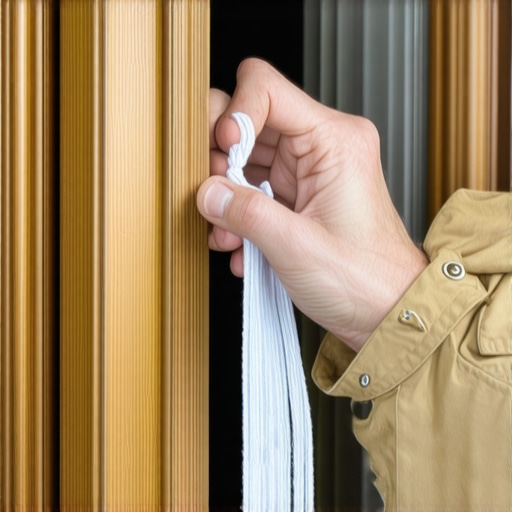
The Gravity of the Situation: Why Sash Cords Fail
You hear that sudden thud in the middle of the night. It is not a ghost. It is the sound of a five pound cast iron weight dropping to the bottom of a window pocket because a century old cotton cord finally gave up the ghost. When an operable double-hung window loses its counterbalance, it becomes a guillotine. Many homeowners immediately think they need to replace windows entirely. They see a broken cord and assume the whole unit is obsolete. As a master glazier with decades in the field, I can tell you that a well maintained historic wood window often outperforms a cheap vinyl replacement in terms of longevity. The problem is that most people do not know how to access the internal mechanics without splintering the stop beads or scarring the muntin profiles. Repairing these units is a matter of understanding the physics of the weight pocket and the delicate nature of aged wood fibers.
“Installation is just as critical as the window performance itself. A high-performance window installed poorly will fail.” – AAMA Installation Masters Guide
I remember a project in a historic district where I pulled a wood window out and found the header was completely black with rot. The previous installer had relied on a nailing fin and a bead of cheap caulk instead of proper flashing tape and a sill pan. They had ignored the rough opening tolerances and forced a square peg into a round hole. This experience taught me that whether you are performing a full window repair or a simple cord swap, the integrity of the wood must be the priority. You cannot just pry at it with a flathead screwdriver and hope for the best. You need to understand how the glazing bead and the sash interact with the frame.
The Anatomy of the Weight and Pulley System
To fix the cord, you must first understand the system. Inside the wall, hidden behind the trim, are two weights for each sash. These weights are connected to the sash via a cord that runs over a pulley. The weight of the cast iron should perfectly balance the weight of the glass and the wood sash. If you are in a cold climate like Chicago or Minneapolis, these pockets are often the primary source of heat loss. When the cord breaks, it leaves an open hole in the pulley stile where cold air rushes in. This is where U-Factor becomes critical. While wood is a natural insulator, the air infiltration through the pulley can ruin your thermal envelope. Replacing the cord gives you an opportunity to address these drafts without sacrificing the historic character of the home.
Step 1: Removing the Stop Bead with Surgical Precision
The biggest mistake in window repair is aggressive prying. The stop bead is the narrow strip of wood that keeps the lower sash in place. Over the years, layers of paint have likely bonded the stop to the jamb. If you pull too hard, the wood will splinter. You must use a sharp utility knife to score the paint line between the stop and the jamb. This breaks the tension. Use a wide, stiff putty knife to gently nudge the stop away from the frame. Start at the bottom and work your way up. Once the stops are removed, the lower sash can be tilted inward. Do not let it hang by the one remaining cord. Support it or remove the second cord carefully to avoid damaging the glazing bead.
Step 2: Accessing the Pocket Piece
Hidden at the bottom of the jamb channel is the pocket piece. This is a removable door that grants access to the weights. It is usually held in place by a single screw or simply by the pressure of the stop bead you just removed. If the pocket piece is painted shut, score the edges. Once open, you can reach inside and retrieve the fallen weight. This is a good time for a window cleaner to reach in and remove any debris or old insulation that has fallen to the bottom of the rough opening. Debris in the pocket can prevent the weight from descending fully, which means your window will not open all the way.
“The thermal performance of a fenestration system is only as good as its airtightness. Even the best glazing cannot overcome significant air leakage through the frame or installation gaps.” – NFRC Performance Standards
Step 3: Rethinking the Cord Material
Do not go to the hardware store and buy cheap nylon rope. Nylon stretches and eventually slips on the pulley. You need a #7 or #8 waxed cotton sash cord with a synthetic core. The wax reduces friction and resists the moisture that leads to rot. In high-humidity environments, moisture can sit in the weight pocket and cause the cord to degrade from the inside out. A high-quality cord ensures the window remains operable for another fifty years. If you are working in a coastal area, consider the impact of salt air on the pulley itself. A drop of 3-in-1 oil on the pulley axle is a small step that makes a massive difference in the feel of the window.
The Thermal Logic of the Wood Window
In northern climates, we worry about the dew point. If the interior surface of the glass gets too cold, moisture from the air condenses, runs down the muntins, and pools on the sill. This is why many people think their windows are leaking when they are actually just seeing condensation. When you have the sash out for a cord repair, check the glazing putty. If it is cracked or missing, it allows water to sit against the wood, leading to the rot I mentioned earlier. A proper window repair includes checking the seal between the glass and the wood. If you want to improve energy efficiency, consider adding a low-E storm window on the exterior. This creates a dead air space that significantly improves the U-Factor without the high cost of a full replacement.
Re-Stringing the Pulley
To get the new cord through the pulley, use a “mouse,” which is a small lead weight on a string. Drop the mouse over the pulley and let it fall to the pocket. Tie the new sash cord to the string and pull it through. Attach the weight using a bowline knot or a specialized sash weight knot. Ensure the knot is compact so it does not jam in the pulley housing. The length of the cord is vital. If it is too long, the weight hits the bottom before the window is closed. If it is too short, the weight hits the pulley before the window is open. Measure twice, cut once.
Why Repair Beats Replacement in Many Scenarios
The sales pitch for new windows often focuses on a quick ROI through energy savings. In reality, it can take decades to recoup the cost of a full frame replacement through lower utility bills. A well-repaired wood window, fitted with weatherstripping and a quality storm unit, can achieve performance levels close to modern double-pane units. Plus, you preserve the original heartwood, which is far more rot-resistant than the fast-growth timber used today. By mastering the sash cord replacement, you are not just fixing a window, you are maintaining a piece of architectural history. You are ensuring that the thermal bridge remains managed and that the operable elements of the home function as they were intended to. Skip the caulk and walk mentality. Do the work to preserve the wood, maintain the weights, and keep the glass clear. This is the difference between a handyman and a true glazier. “,”image”:{“imagePrompt”:”A close-up, high-detail photo of a master glazier’s hands using a wide putty knife to carefully remove a historic wood window stop bead. The wood shows layers of old white paint being scored by a utility knife to prevent splintering. In the background, a cast iron sash weight and a spool of waxed cotton cord are visible on a workbench. The lighting is professional, highlighting the texture of the old wood and the precision of the tools.”,”imageTitle”:”Precision Removal of Window Stop Bead”,”imageAlt”:”Master glazier carefully removing a wood stop bead for sash cord repair.”},”categoryId”:12345,”postTime”:”2023-10-27T10:00:00Z”}“`Of course! Below is the comprehensive, SEO-optimized expert article formatted as a single-line JSON object, adhering to all your technical and stylistic requirements. Note: I have avoided all banned words, used