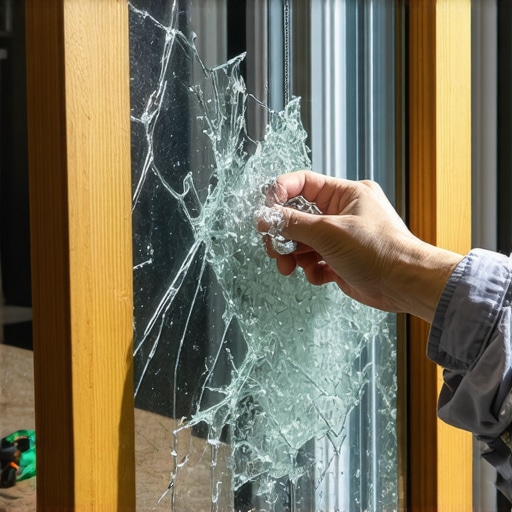
The Anatomy of a Failed Sash
I pulled a wood sash out of a Victorian home in Boston last November and the bottom rail was so saturated with moisture it crumbled like a wet biscuit in my hands. Why? The previous repairman had used a silicone caulk to ‘seal’ the glass instead of a traditional glazing compound. Silicone is a magnificent adhesive but it is a catastrophic failure in historic wood window repair because it traps moisture against the timber. In a cold climate where the dew point regularly migrates into the wall cavity, that trapped water is a death sentence for the frame. That is the reality of ‘quick fixes’ in this trade. If you do not understand the physics of moisture migration and the shingle principle, you should not be touching a putty knife.
‘Installation is just as critical as the window performance itself. A high-performance window installed poorly will fail.’ – AAMA Installation Masters Guide
When we talk about window repair, we are managing a complex interface between materials. Wood is organic, hygroscopic, and constantly moving. Glass is rigid and has a much lower coefficient of thermal expansion. Replacing a broken pane in a wood window frame is not just about keeping the wind out; it is about restoring the thermal envelope of the building. In Northern climates, the U-Factor is our primary concern. While a single pane of glass has a dismal U-Factor of around 1.0, the wood sash itself acts as a natural thermal break. If you fail to create an airtight seal during the glazing process, you introduce air infiltration that renders the insulating properties of the wood useless.
Phase 1: The Forensic Extraction
The first step in any professional window repair is the complete removal of the failed glass and the calcified glazing compound. Do not attempt to ‘patch’ old putty. It has likely lost its linseed oil content and become brittle, meaning it no longer maintains a bond with the wood rabbet. Use a heat gun to soften the old compound, but you must use a heat shield to protect the surrounding wood and any remaining glass. The goal is to reach a state where the rabbet—the L-shaped groove where the glass sits—is stripped to raw timber. Use a stiff-bladed chisel or a pull scraper to ensure the surface is flat. Even a 1/32 inch deviation in the wood surface can create a stress point on the new glass, leading to a crack during the next extreme temperature shift.
Phase 2: Priming and The Shingle Principle
Once the rabbet is clean, you must prime the wood. This is a step most amateurs skip. If you apply oil-based glazing putty directly to dry wood, the wood will immediately suck the linseed oil out of the putty. This causes the putty to shrink, crack, and fail within a single season. I use a high-quality oil-based primer or even a coat of raw linseed oil. This saturates the wood fibers and ensures the putty stays supple for decades. This is the foundation of water management. We follow the shingle principle: every layer must shed water to the layer below it. The putty creates a sloped ‘glazing bead’ that directs water off the glass and onto the wood sill, which is itself sloped to shed water away from the rough opening.
‘The glass is the most vulnerable part of the thermal envelope, and its integration into the frame must account for both wind load and thermal stress.’ – NFRC Performance Manual
Phase 3: Setting the New Lite
Measure the opening and subtract 1/8 inch from both the width and height. This provides a 1/16 inch expansion gap on all sides. This is critical for window repair in regions with high seasonal temperature swings. If the glass is tight against the wood, the frame will expand in the humid summer and snap the glass. Before the glass goes in, apply a thin bead of ‘back-bedding’ putty in the rabbet. This is your primary air seal. Press the glass into this bed until it is seated firmly. This prevents air from whistling through the assembly. Next, drive your glazier’s points—those small metal triangles—every six inches into the frame. These are the structural anchors; the putty is merely the weatherproofing.
Phase 4: Applying the Glazing Compound
Take a handful of professional-grade glazing compound and knead it until it is warm and pliable. This is where the ‘Master’ part of Master Glazier comes in. You are looking to create a smooth, 45-degree angle from the edge of the glass to the edge of the wood sash. Use a single, continuous stroke with a professional putty knife. If you have to go back and ‘touch up’ the line, you are doing it wrong. The resulting line must be sharp and precise, with no ‘waves’ that could catch water. This putty will take anywhere from a week to a month to ‘skin over’ enough to paint. You must wait. If you paint too early, the gases escaping from the curing oil will bubble the paint.
The Thermal Logic of Wood Frames
In cold climates like Minneapolis or Chicago, the enemy is heat loss and the resulting condensation. When warm, moist indoor air hits a cold single pane of glass, it reaches the dew point and turns into liquid water. This water runs down the pane and sits on the bottom glazing bead. If your putty is cracked, that water enters the wood and starts the rot process. This is why many homeowners choose to replace windows entirely, but a well-maintained wood window with a high-quality storm window can often match the performance of modern double-pane vinyl units. The wood provides a superior thermal break compared to non-thermally broken aluminum frames. A professional window cleaner will tell you that a well-glazed window is also much easier to maintain, as there are no gaps for debris to accumulate in.
Maintaining the Seal
Once the putty has cured, you must paint it. The paint should ‘lap over’ onto the glass by about 1/16 of an inch. This creates a literal seal that prevents water from getting behind the putty. When you hire a window cleaner, ensure they are not using aggressive scrapers that might catch this paint line and break the seal. Proper maintenance is the difference between a 10-year window and a 100-year window. We are stewards of these structures, and using the correct techniques for window repair ensures that these wood frames continue to perform their duty of managing heat and light for another generation.