The Physical Reality of Window Glass
In 25 years of standing on scaffolding and looking through thousands of sashes, I have learned one thing: most people treat glass like it is an indestructible diamond. It is not. Glass is an amorphous solid that, while hard, is incredibly susceptible to surface tension changes and mechanical abrasion. When we talk about window repair or the need to replace windows, we are often talking about the failure of the glass surface itself. Polishing out a scratch is not just a cosmetic fix; it is a surgical procedure on the molecular integrity of the pane.
The Condensation Crisis: A Master Glazier Narrative
I recall a specific call in a bitter January in Chicago. A homeowner called me in a panic because their new windows were ‘sweating’ and the moisture had supposedly ‘etched’ the glass. I walked in with my hygrometer and showed them the humidity was 60 percent. It was not the windows; it was their lifestyle – specifically, a lack of ventilation for a large indoor plant collection. In a misguided attempt to clean the ‘haze,’ the homeowner had taken a green kitchen scouring pad to the glass. They did not just clean it; they decimated the surface with thousands of micro-scratches. This is a classic case where the window cleaner becomes the enemy. I had to explain that while I could polish some of it out, the structural integrity of the surface was compromised, and the U-Factor performance was now at risk because they had scrubbed right into the Low-E coating on Surface #1.
“Installation is just as critical as the window performance itself. A high-performance window installed poorly will fail.” – AAMA Installation Masters Guide
The Science of Scratches: Can It Be Fixed?
Before you grab a buffer, you must perform the fingernail test. If you can feel the scratch with your nail, it is likely too deep for a standard polish. In the trade, we call these ‘structural defects.’ Deep scratches act as stress concentrators. When the wind load hits that window, or when the thermal expansion causes the sash to flex, that scratch is where the glass will eventually crack. For light, topical scratches – the kind that look like a hazy ‘ghost’ on the glass – we can use a restoration process involving cerium oxide. Cerium oxide is a rare-earth mineral that reacts chemically with the silica in the glass to create a smoother surface through a process of both mechanical abrasion and chemical bonding.
Climate Logic: Why Surface Integrity Matters in the North
In cold climates like Minneapolis or Chicago, the glass surface is your primary defense against heat loss. The U-Factor (the rate of heat loss) is king here. If you have a high-performance window, it likely has a Low-E (low-emissivity) coating. If that scratch is on the interior surface where a coating has been applied, polishing will remove the coating, effectively turning your expensive high-performance window into a piece of basic builder-grade glass. This leads to increased condensation, as the surface temperature of the glass will drop below the dew point. We use warm-edge spacers and argon gas fills to keep the glass warm, but once you scratch the coating, you have a thermal bridge that leads to the very ‘sweating’ that caused our Chicago homeowner so much grief.
The Restoration Process: A Step-by-Step Technical Protocol
If you have determined the scratch is light enough to polish, you must follow a strict protocol to avoid ‘lensing.’ Lensing occurs when you polish too deeply in one spot, creating a concave area that distorts light like a magnifying glass. This is a window repair failure that usually results in a full glass replacement.
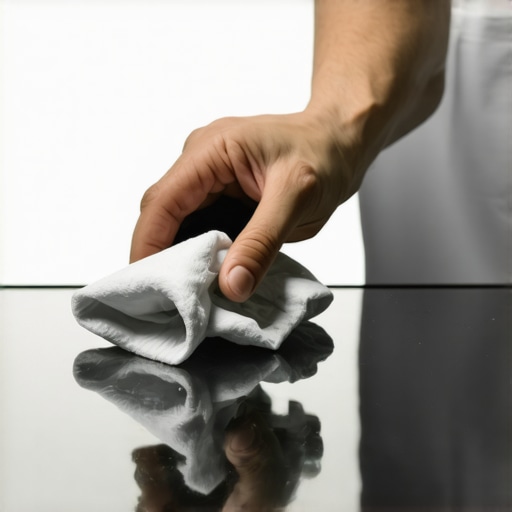
- Surface Decontamination: Use a professional-grade window cleaner and a brand-new microfiber cloth. Any grit left on the glass will be picked up by the polishing pad and create new, deeper scratches. This is not the time for ‘caulk-and-walk’ shortcuts.
- Preparation of the Slurry: Mix cerium oxide powder with water to a consistency of thick cream. This slurry is what does the work.
- Mechanical Application: Use a felt polishing bob attached to a low-speed drill. You must keep the RPMs low – under 1500 – to prevent heat buildup. If the glass exceeds 120 degrees Fahrenheit, you risk thermal shock, which can shatter the pane within the sash.
- Constant Motion: Move the pad in a figure-eight pattern. Never stay in one spot. You are trying to feather the edges of the scratch into the surrounding glass surface.
[IMAGE_PLACEHOLDER]
“Proper maintenance of the glazing surface is essential to ensure the longevity of the fenestration unit and to maintain the NFRC certified thermal performance.” – NFRC Field Inspection Manual
Trade Cant: The Components You Need to Know
When you are working on a window, you are interacting with a complex system. If the scratch is near the edge, you may need to remove the glazing bead – the strip of vinyl or wood that holds the glass in the frame. Be careful not to damage the weep hole system. If moisture gets trapped behind the glass because the weep holes are clogged, it will lead to seal failure in an IGU (Insulated Glass Unit). If you find that the scratch is too deep and you need to replace windows entirely, you must consider the rough opening. A proper installation involves shims to level the unit and high-quality flashing tape to integrate the sill pan with the weather-resistive barrier of the house. Don’t let a salesman talk you into a ‘pocket replacement’ if your rough opening shows signs of rot; a full-frame tear-out is the only way to manage water correctly.
The Hard Truth About Glass Polishing
Polishing glass is a game of diminishing returns. You are essentially removing material to match the depth of the defect. In a cold climate, thinning the glass can slightly alter the thermal gradient across the pane. For operable windows, the mechanical stress of opening and closing can also affect a thinned pane. If the scratch is located in the ‘tempering’ mark area, or if it is on tempered glass (which is common in doors and low-to-the-floor windows), be extremely cautious. Tempered glass is under immense internal tension; one wrong move with a polishing pad can turn the entire pane into a thousand tiny cubes.
Conclusion: Professional Standards
In the end, window maintenance is about more than just a clear view. It is about protecting the thermal envelope of your home. Whether you are dealing with a light scratch or a total seal failure, the science remains the same: manage the heat, manage the water, and respect the material. If you can’t polish it out without creating a lens, it’s time to call a professional and discuss a proper replacement that meets the current ASTM E2112 standards for your specific climate zone.