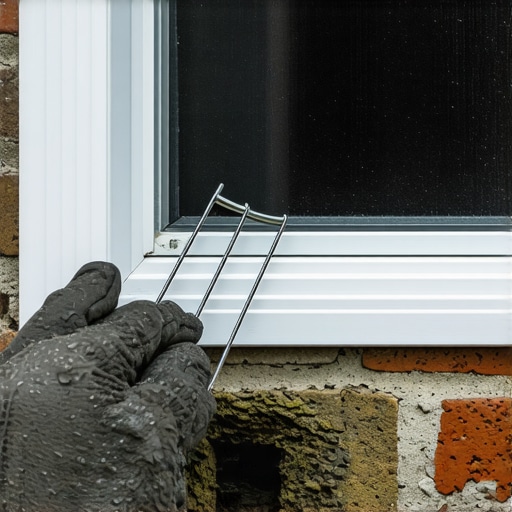
How to Clear Out Clogged Weep Holes Before They Flood Your Interior Sills
In the Brazos Valley, we are no strangers to the sudden, violent intensity of Texas weather. Just this past July, the Bryan College Station Eagle and KBTX News 3 reported significant localized flooding that turned neighborhood streets into streams and tested the structural integrity of homes across the region. When the clouds break and the rain pours, your windows are the primary line of defense. However, even the most expensive windows can fail if a tiny, often-overlooked feature is neglected: the weep hole. As a leader in the relocation industry, Cody Hall of Brazos Moving and Storage has seen firsthand how preventable water damage can plummet a property’s value overnight. Whether you are preparing to list your home or are looking for movers college station to help you settle into a new one, understanding window maintenance is crucial. With a recent report from KAGS TV noting that 70% of Americans are turning to DIY solutions to mitigate rising costs, there has never been a better time to master this five-minute maintenance task.
What Exactly Are Window Weep Holes?
If you look at the exterior bottom rail of your vinyl or aluminum window frames, you will likely notice small, rectangular slots or flaps. These are not manufacturing defects or accidental gaps; they are factory-built drainage channels known as weep holes. Their primary function is to provide an exit path for water that inevitably enters the window track system. No window is perfectly airtight or watertight against the driving rains common in Bryan and College Station. When water hits the glass, it runs down into the tracks. Without a functional weep hole, that water has nowhere to go but up and over the interior dam, leading to Why Your Sliding Door Track is Collecting Water and eventually flooding your sills.
According to technical guides from Lippert, these holes also serve a secondary purpose: pressure equalization. When wind blows against a building, it creates pressure differentials. Weep holes help balance the air pressure within the window frame, which prevents water from being “sucked” into the interior of the home during high-wind events. They are the unsung heroes of your home’s envelope, ensuring that both liquid water and condensation can escape before they cause structural issues. Neglecting these small openings is a recipe for disaster, especially in climates characterized by high humidity and heavy seasonal downpours.
The High Cost of Neglect: Why Brazos Valley Homeowners Must Pay Attention
The Brazos Valley presents a unique challenge for window maintenance. Our climate oscillates between extreme humidity and heavy pollen seasons. When oak and cedar pollen settle into window tracks, they mix with moisture to create what professionals call “pollen paste.” This thick, sludge-like substance is the primary culprit behind clogged weep holes. Over time, this paste hardens, forming a literal plug that prevents any water from escaping. When the next big Texas thunderstorm hits, the water accumulates in the track, eventually seeping into the wooden subframe of your house.
The financial consequences of this neglect are staggering. Industry data from Installix suggests that rotted window sill repairs can cost between $3,000 and $8,000 per window, depending on the extent of the damage to the surrounding drywall and studs. If the water reaches the insulation, you are also looking at potential mold remediation costs. This is why it is essential to understand Why Your Window Sill is Spongy and What it Means. A spongy sill is often the final warning sign before a complete structural failure occurs. By spending just five minutes twice a year cleaning these holes, you are effectively insuring yourself against thousands of dollars in avoidable repairs.
How to Tell if Your Weep Holes are Clogged (Before the Flood)
You don’t have to wait for a flood to diagnose a problem. One of the most common signs of a clog is standing water in the bottom track long after a rainstorm has passed. If you open your window and see a pool of water that refuses to drain, your weep holes are likely obstructed. Another tell-tale sign is a distinct “glugging” sound during heavy rain. This sound occurs when air is struggling to escape the drainage system because water is backed up, much like a clogged sink drain.
For those currently searching for movers college station, checking these holes should be a mandatory part of your “move-out” or “move-in” checklist. If you are moving out, a failed home inspection due to window rot can kill a sale or result in heavy concessions. If you are moving in, catching a clog early can prevent your new carpets from being ruined during the first spring storm. Look for water stains or bubbling paint on the interior drywall directly beneath the window corners; these are red flags that the drainage system has already failed and water is migrating into the wall cavity.
Step-by-Step Guide to Cleaning Your Weep Holes
Cleaning your weep holes is a straightforward process that requires minimal tools. Most homeowners can complete an entire house in under an hour. Follow these steps to ensure your windows remain a barrier, not a gateway, for water.
1. Inspection
Start by locating the weep holes on the exterior of your windows. They are usually located on the bottom of the frame. Some windows have small plastic “flaps” over the holes to keep insects out. Gently lift these flaps to inspect the cavity behind them. If you see dirt, dead bugs, or “pollen paste,” it’s time to clean. If you’re unsure of your specific window model’s layout, you can consult resources like Andersen Windows for manufacturer-specific diagrams.
2. The Wire Method
The most effective tool for clearing a physical blockage is a straightened coat hanger, a pipe cleaner, or a thin zip tie. Gently insert the wire into the exterior weep hole and wiggle it around to break up any hardened debris. Be careful not to force it; you want to dislodge the clog, not puncture any internal gaskets. This method is particularly effective for removing spider webs and mud dauber nests, which are common in the Brazos Valley.
3. Compressed Air
For finer particles like dust and dried pollen, a can of compressed air (the kind used for keyboards) works wonders. Use short, controlled bursts to blow air into the exterior hole. This often forces the debris back into the interior track where it can be easily vacuumed up. If you are working on a larger project or preparing for a move with movers near me, having a small portable air compressor can speed up this process significantly.
4. The Flush
The final step is the most important: the functional test. Take a small cup of water mixed with a drop of dish soap and pour it directly into the interior window track. Watch the exterior weep hole. The water should exit the hole freely and quickly. If it trickles out or doesn’t move at all, repeat the wire and air steps. This is also a great time to ensure your tracks are clean; consider how to Stop Buying Commercial Glass Cleaner and Use This Kitchen Staple Instead to keep the entire window assembly pristine.
Common Mistakes: What NOT to Do
While the process is simple, there are several common mistakes that can actually make the situation worse. First and foremost, never caulk or seal weep holes shut. Some homeowners see these gaps and assume they are air leaks that need to be plugged to save on energy bills. Sealing a weep hole is a guaranteed way to cause interior flooding and wood rot. If you are worried about drafts, look into The Best Way to Winterize Single Pane Windows on a Budget instead of blocking drainage.
Secondly, avoid using a pressure washer to clean your window tracks or weep holes. High-pressure water can force its way past the window’s internal seals and into your wall headers. For more on this, read about The Dangers of Cleaning Windows with a Pressure Washer. Finally, do not use steel wool or foam inserts to “filter” the holes. These materials trap moisture and organic matter, accelerating the growth of The Hidden Dangers of Window Frame Mold.
When to Call a Professional
In most cases, a clogged weep hole is a simple DIY fix. However, there are times when professional intervention is necessary. If you perform the flush test and water appears to be leaking from *behind* the drywall or under the baseboards, the internal flashing of the window may have failed. Additionally, if the wooden sill or frame feels soft or “punky” to the touch, the rot has already set in. This is a sign that the window may need to be pulled and the framing replaced. You should also check to see Why Your Window Frame is Rotting Under the Paint, as surface appearances can be deceiving.
If you are currently coordinating with movers bryan to relocate, address these issues immediately. A home with visible water damage or active leaks is much harder to sell and can lead to complications during the moving process. Taking care of these repairs before the moving trucks arrive ensures a smoother transition and protects your investment.
Conclusion & Call to Action
Maintaining your window weep holes is one of the highest-ROI tasks a homeowner can perform. For the cost of a cup of water and five minutes of your time, you can prevent thousands of dollars in structural damage and keep your home safe from the unpredictable Texas weather. Remember, a little prevention goes a long way in preserving the value of your property in the Brazos Valley.
If you’re preparing for a big move in the Bryan/College Station area, don’t let window damage or maintenance stress slow you down. Focus on your home’s health and let the experts handle the heavy lifting. Contact the best movers near me at Brazos Moving and Storage for a seamless, professional transition to your next chapter.