The Science of Surface Tension: Why Standard Soap Is No Longer Enough
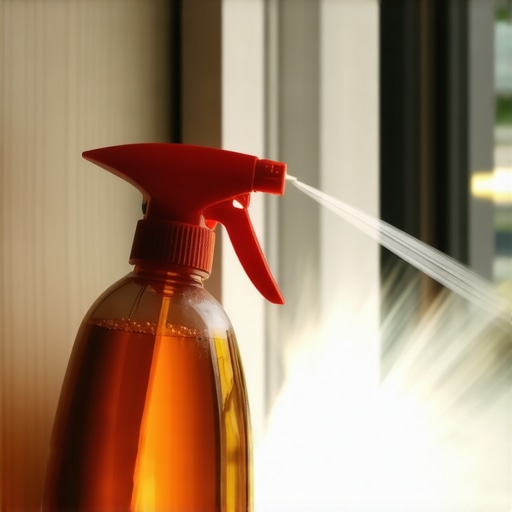
As a master glazier with a quarter-century in the field, I have seen every ‘miracle’ solution come and go, from vinegar and newspaper to high-priced silicone sprays. But in 2026, the industry has shifted toward a more technical approach to maintenance. We aren’t just ‘washing windows’ anymore; we are managing the molecular surface of high-performance coatings. Pros are now adding specific ionic salts—often specialized ammonium-based surfactants costing less than $3—to their solution to neutralize the static charge that attracts dust to the sash and glass. This isn’t about vanity; it is about protecting the longevity of your window repair efforts and the integrity of the glazing bead.
A homeowner called me in a panic because their new windows were ‘sweating.’ I walked in with my hygrometer and showed them the humidity was 60%. It wasn’t the windows; it was their lifestyle. They were boiling pasta and running a humidifier in a sealed house. However, that condensation was more than just a nuisance; it was reacting with the minerals on their uncleaned glass, creating a caustic environment for the glazing bead. If you don’t use an ionic agent to break down those mineral bonds, you’re essentially leaving sandpaper on your glass surface, which will eventually lead to permanent etching and a mandatory replace windows project long before the manufacturer’s warranty expires.
Understanding the NFRC Label: More Than Just Numbers
When you look at an NFRC (National Fenestration Rating Council) label, you see VT (Visible Transmittance). What many don’t realize is that a layer of atmospheric pollutants can drop your VT by 5-10%, effectively turning your high-performance glass into a dim, dirty filter. For those of us in the North, where the sun is a precious commodity in January, keeping that glass clear isn’t just aesthetic—it’s a thermal strategy. This brings us to the core of thermal performance: the U-Factor.
“Installation is just as critical as the window performance itself. A high-performance window installed poorly will fail.” – AAMA Installation Masters Guide
In cold climates like Chicago or Minneapolis, the U-Factor is our primary metric. We want the lowest number possible. A low U-Factor means the heat stays inside. When we talk about window repair, we are often talking about restoring the operable components to ensure the weatherstripping creates a true seal. If the glass is coated in grime, it can actually interfere with the Low-E coating on Surface #4 (the interior side of some high-performance units), which is designed to reflect long-wave infrared radiation back into your living room.
The Thermal Logic of Surface Coatings
The ‘ionic salt’ trick works by altering the hydrophilic nature of the glass. Modern high-end glass often features a titanium dioxide coating that reacts with UV light to break down organic matter. Adding an ionic surfactant ensures that when water hits the glass, it sheets off rather than beading. Beading is the enemy; it leaves behind mineral deposits that can clog the weep hole at the bottom of the frame. If those weep holes clog, water backs up into the rough opening, leading to the kind of structural rot that requires a full-frame replace windows job instead of a simple insert.
The Role of the Glazing Bead and Sash
Every sash is a complex assembly of parts. The glazing bead—that strip of vinyl or wood that holds the glass in place—needs to maintain a tight seal against the IGU (Insulated Glass Unit). When you use harsh, non-ionic cleaners, you can actually degrade the chemical bond of the sealants. This is why we preach the $3 ionic solution; it’s gentle enough for the glazing bead but powerful enough to strip away the nitrates and sulfates that settle on the glass from urban pollution.
“Field testing has shown that the vast majority of window leaks are the result of improper integration with the water-resistive barrier, not the window unit itself.” – ASTM E2112 Standard Practice
If you are considering a replace windows project in 2026, you need to understand that you aren’t just buying glass; you’re buying a system. That system includes the sill pan, the flashing tape, and the shim placement that ensures the unit is level and plumb. Even the best triple-pane argon-filled unit will underperform if the installer doesn’t understand the ‘Shingle Principle’ of water management. [image placeholder]
Why Triple-Pane Is the North’s Best Friend
In our climate, triple-pane isn’t an upgrade; it’s an insurance policy against the dew point. By adding a third layer of glass and a second chamber of Argon or Krypton gas, we move the dew point—the temperature at which air can no longer hold water vapor—further away from the interior surface. This prevents the condensation crisis I mentioned earlier. However, the extra weight of triple-pane means the rough opening must be perfectly prepped. If the shim placement is off by even an eighth of an inch, the weight will eventually cause the frame to sag, making the operable sash difficult to close and creating air gaps that defeat the purpose of the expensive gas fill.
Maintenance vs. Total Failure: The Pro’s Verdict
Is your window drafty? Before you look at the glass, look at the weep hole and the weatherstripping. If the weep hole is blocked, water sits in the track, cooling the air and creating a localized cold spot that mimics a draft. Clean them out. If the sash is dragging, check the shim behind the hinges. Window repair is often a matter of physics and geometry rather than replacing parts. But if you see a rainbow sheen or fogging inside the glass, the seal is blown. The Argon is gone, replaced by moisture-laden air. At that point, no amount of ionic salt or professional cleaning will save it. You are no longer looking at a window repair; you are looking at a replace windows necessity.
Ultimately, the goal of using advanced cleaning techniques like ionic surfactants is to preserve the factory-perfect state of your glazing. We want to avoid the build-up of ‘glass cancer’ (silica leaching) that occurs when water sits on glass for too long. By spending $3 on the right additives today, you are protecting a $30,000 investment in your home’s envelope. Don’t be the homeowner who ignores the science until the rot has reached the flashing tape. Respect the physics of your home, and your windows will respect your energy bill.