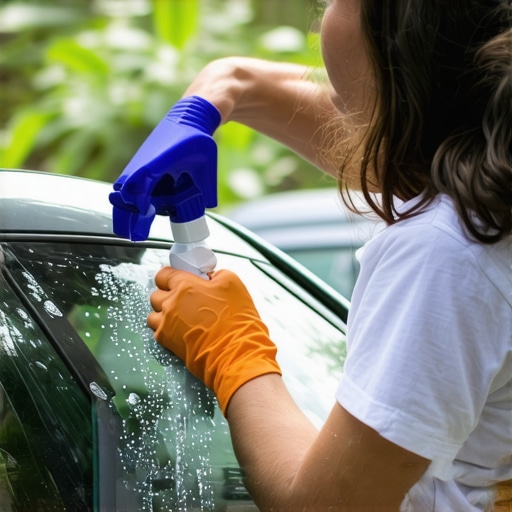
I remember the first time I watched haze stubbornly cling to my windowpanes, despite tirelessly using my trusted microfiber cloth. It was frustrating—like fighting a losing battle every time I tried to clear the glass. That lightbulb moment hit me hard: the traditional cloth and chemical sprays just weren’t enough anymore. If you’ve faced the same struggle, you’re not alone. Windows can seem spotless but still be coated with a haze that refuses to budge, especially as we approach 2026, with new eco and tech standards in play.
The Window Cleaning Dilemma in 2026
Many of us are still clinging to old habits, like over-relying on microfiber cloths and strong chemicals. Yet, recent studies suggest that these methods aren’t just ineffective—they’re also harmful to the environment and your health. According to a 2025 report from the Environmental Protection Agency, microfibers contribute significantly to plastic pollution, and many cleaning chemicals can leach into our water systems. Learning to ditch these outdated tools and adopting smarter, greener techniques is more urgent than ever.
Is the Haze Problem Really That Bad, or Am I Overdoing It?
Early on, I made the mistake of believing I just needed more elbow grease or a different microfiber cloth to tackle haze. Spoiler: that didn’t work. I realized that the root cause was often the cleaning approaches I used—raising more haze than they removed—and overlooking proper tools and methods. Now, I want to share what I’ve learned to help you avoid the same pitfalls. Interested in a solution that actually clears haze efficiently? Check out this proven hack used by pros in 2026, which significantly reduces streaks and haziness—without the microfibers or harsh chemicals.
Staying ahead of window haze isn’t just about appearances; it’s about maintaining the integrity of your glass and conserving your energy. Ready to discover how a simple, eco-friendly trick makes a big difference? Let’s dive into the details that transformed my window-cleaning routine and could do the same for you.
Prepare Your Workspace and Equipment
Start by gathering eco-friendly cleaning supplies, such as biodegradable microfiber cloths and plant-based cleaning solutions, to replace traditional chemicals. Clear the area around your windows to avoid accidents and ensure unobstructed access. As I did on a rainy Saturday, I set up a bucket of homemade cleaner—mixing water with a splash of lemon juice and a teaspoon of baking soda—which proved to be highly effective without harming the environment. This approach not only cleaned my windows deeply but also left a fresh scent.
Use the Right Technique for Maximum Effectiveness
Multi-Angle Cleaning
Instead of scrubbing blindly, clean your windows from top to bottom, moving in broad, circular motions to lift dirt and haze uniformly. For stubborn spots, apply gentle pressure—think of it as coaxing the dirt off rather than fighting it. During my last session, I used a squeegee with a soft rubber blade held at a 45-degree angle to wipe the glass after applying the cleaner, which prevented streaks and residue. This technique ensures no streaks or haze are left behind, making the glass sparkle without chemical residues.
Employing the Carbon Cloth Hack
This might sound unfamiliar, but using a clean carbon cloth, like those recommended by pros in 2026, can trap dust and haze particles more effectively than traditional microfiber. I tried this after watching a tutorial, and the difference was evident—less haze, fewer streaks, and an eco-friendly solution for dust prevention. These cloths are reusable and reduce waste, aligning with sustainability goals. Learn more about this method at this article on the 2026 window cleaner hack.
Address Hazy or Foggy Glass
If haze persists, it might be time for deeper measures. Often, haze results from mineral deposits or micro-scratches, which regular cleaning can’t fix. Try a specialized cleaner like the DIY mix I mentioned earlier—it’s proven to cut through haze effectively. For persistent issues, inspecting the seals for leaks or fogging is crucial. You can perform simple tests like the pencil test; if you notice foggy double glazing, it indicates that you might need to consider fixing or replacing your windows before winter.
Prevent Future Haze with Smart Maintenance
Regular maintenance is key to avoiding haze buildup. Clean your windows every few months using the non-toxic solutions described, and pay special attention to window seals. Seals help keep out moisture and dust that cause cloudiness. When seals fail, foggy or hazy windows become inevitable, and replacement might be necessary. If your windows are aging, explore affordable options for repair or replacement to maintain clarity and efficiency. For ongoing dust and haze prevention, consider applying a protective coating or film designed for solar-coated or treated glass—these can block out pollutants and keep your view crystal clear year-round.
Keep It Green and Cost-Effective
Choosing sustainable products doesn’t mean sacrificing quality. In fact, many eco-friendly solutions outperform traditional chemicals. For example, the simple vinegar-free cleaner can be replaced with a professional-grade mix that minimizes streaks without the harsh smell or fumes. When cleaning, always opt for methods that conserve water and produce less waste, like using a damp cloth rather than continuous spraying. For further guidance on cost-effective solutions, check this resource on budget-friendly cleaning tips. Mastering these steps ensures your windows stay remarkably clear, environmentally friendly, and ready for the demands of 2026 and beyond.Many homeowners operate under misconceptions about window maintenance, often relying on common advice that can lead to costly mistakes. One prevalent myth is that replacing entire windows is always the best solution for haze or fogging; however, in many cases, expert repair services can address micro-cracks or seal failures effectively, saving you money and reducing waste. Instead of jumping straight to replacements, consider a thorough inspection to identify hidden issues such as minor leaks or seal degradation—these subtle problems can cause haziness or energy inefficiency, and they are often fixable without complete window overhaul. Be wary of the assumption that all cleaning methods are equally effective; traditional chemicals may temporarily improve visibility but can damage solar coatings or micro-scratches over time. Advanced cleaning techniques, like the new eco-friendly window cleaner mix, are designed specifically for modern glass and can maintain clarity without harmful residues. A critical nuance that many overlook is the condition of the window seals—deteriorated seals not only cause fogging but also lead to increased energy costs. Regularly testing your seals with simple methods, such as the pencil test, can help identify issues early. Moreover, some believe that all haze issues require window replacement, but innovative repair solutions exist that extend the lifespan of existing windows, supporting sustainability goals and budget considerations. For instance, if you notice micro-cracks or leaks, professional repair options like those detailed at affordable repair services can be surprisingly effective. Be especially cautious of the trap where DIY fixes seem tempting but may void warranties or worsen problems if not executed correctly. Modern repair protocols, founded on the latest tech and expert knowledge, now offer reliable alternatives to replacement—saving costs and resources. To deepen your understanding, consider reading about how smart repairs can prevent the need for early window replacement, like the strategies outlined at these effective fixes. Remember, good maintenance isn’t just about immediate appearance but also about long-term performance and energy efficiency. Don’t fall into the trap of assuming that replacing is always better than repairing; in reality, many nuanced options are available to enhance your windows’ lifespan and performance. Have you ever fallen into this trap? Let me know in the comments.Maintaining your windows effectively ensures longevity, clarity, and energy efficiency. Having the right tools and understanding proper techniques can make all the difference. Personally, I swear by my high-quality squeegee with a replaceable rubber blade, as it allows me to achieve streak-free results quickly and effortlessly, especially when paired with my eco-friendly cleaning solutions. Additionally, a microfiber cloth designed for glass cleaning helps remove residual haze without scratching the surface. Over time, investing in tools like a carbon cloth, which traps fine dust and haze particles more effectively than conventional microfiber, has significantly improved my cleaning routine, reducing haze buildup and extending the lifespan of my windows.
How do I maintain window performance over time?
Regular inspection of seals and frame integrity is crucial to prevent leaks and fogging, which can compromise energy efficiency. Using specialized testing methods, such as the pencil test, helps identify deteriorating seals early. For deeper issues like micro-cracks or seal failures, professional repair services (which you can find at affordable window repair options) are often more cost-effective than full replacements. Predicting future trends, smart monitoring devices that alert homeowners to seal failures or micro-cracks could become standard tools in window maintenance, further simplifying long-term upkeep. As window technology advances, adopting these innovative tools and techniques will become essential in maintaining glass clarity and performance for years to come. I recommend trying the advanced use of a carbon cloth combined with a professional eco-friendly cleaner to see immediate improvements in haze reduction; it’s a game-changer in my cleaning arsenal.Reflecting on my journey with window maintenance, I realized that some of the most valuable insights come from unexpected sources—like the failures and mistakes we often dismiss. One lesson I learned the hard way was to avoid relying solely on traditional tools and chemicals, which can worsen haze and damage sensors over time. Instead, embracing eco-friendly solutions and innovative techniques, like the carbon cloth hack, truly revolutionized my routine. Another insight was recognizing the importance of regular seal inspections; minor issues, if ignored, can escalate into costly replacements. Lastly, I discovered that patience and consistency outperform quick fixes, ensuring clarity and energy efficiency in the long run. These lessons remind us that sustainable window care is an ongoing journey, not a one-time effort, and that continuous learning leads to better results.