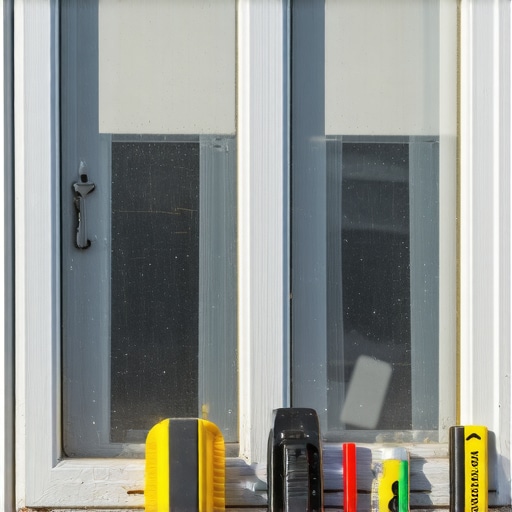
I vividly remember the moment I realized my window was beyond saving. It was a chilly morning, and I was trying to get the curtains to slide smoothly when I noticed a strange, musty smell wafting from the glass. Peeling back the curtain, I saw the edges of the pane were swollen and warped—a clear sign something was seriously wrong. My first instinct? Time to replace it. But that decision was based on a faulty assumption, and I almost didn’t discover the real issue in time.
Why Ignoring the ‘Pencil Test’ Can Cost You Big
It wasn’t until I stumbled upon the 2026 ‘Pencil Test’—a simple, low-cost method to diagnose window rot—that I realized I’d been rushing to replace perfectly salvageable windows. The test involves inserting a pencil into the frame’s suspected areas; if it slides in easily and leaves a mark, the wood underneath is compromised. This eye-opening discovery saved me hundreds of dollars and months of unnecessary hassle. Now I want to share this revelation with you, so you can avoid my rookie mistake and make smarter decisions about your home.
Is a DIY Test Really Enough or Just a Waste of Time?
I used to think I could just eyeball the damage, but early on, I made a costly mistake—trusting my eyes over a simple test. That error cost me dearly, and I don’t want the same for you. Incorporating this quick pencil check can help you gauge whether your window needs professional repair, a budget-friendly fix, or genuine replacement. For more effective tips, check out this guide on the 2026 half-price rule.
So, are you facing stubborn window problems? Maybe a sticky sash or foggy glass? Before you rush to replace, consider giving the pencil test a try. It might just save you from unnecessary expenses and help you keep your home cozy during the colder months ahead. Next, let’s explore how to properly perform this test and what steps to take if your window is truly compromised.
Performing the Pencil Test Correctly
My first attempt at the pencil test was a messy affair—I shoved a sharpened pencil into the warped window frame with too much force, causing the wood to splinter and making the test less reliable. To do it right, start by gently inserting the sharpened end of the pencil into the suspected rotting area, applying only light pressure. The goal is to see if the pencil glides in easily without forcing it. If it slides smoothly and leaves a visible mark, the wood beneath has deteriorated. Consistency is key; perform this test at multiple points around the window frame for an accurate assessment.
Inspecting and Marking the Damage
Once you’ve identified soft spots by the pencil, mark them with a pencil or painter’s tape to keep track. Think of it as mapping out trouble zones like a detective drawing clues—this prevents missing any affected area during repairs. Pay attention to the edges where the frame meets the glass, as rot often starts there. My personal experience taught me to wear gloves and a mask during this inspection to avoid inhaling dust or spores from compromised wood.
Tackle minor damage with simple fixes
If the rot is limited, a quick fix can stave off replacement. Use a wood hardener available at hardware stores; it penetrates the compromised wood and solidifies it, much like an epoxy—think of it as a super-strong glue that rebuilds the structure internally. After the hardener cures, apply a high-quality wood filler to level out the surface. Sand smooth once dry, then repaint or seal to prevent future moisture ingress. This process can be messy—spreading dust and splatters—so protect surrounding areas with drop cloths and work in well-ventilated spaces.
When to replace the window entirely
For extensive rot, a full replacement is often the smarter choice. Consider it like replacing an aging, rusted car rather than fixing every bolt—saving long-term costs and hassle. Before rushing into replacement, check out this guide to find reliable, cost-effective options near you. Proper removal involves carefully detaching the sash and frame without damaging the surrounding structure, much like disassembling a piece of furniture without cracking it. Using a crowbar and a reciprocating saw makes the job easier, but proceed cautiously to avoid damaging nearby walls or trim.
Sealing and Finishing the Repair
After repair or replacement, sealing gaps is essential to prevent future moisture problems. Use a high-quality exterior-grade caulk or weatherstripping, much like sealing the lid on a jar to keep contents fresh. Pay special attention to the along-the-frame edges where air and water might seep through. For a professional touch, consider these sealing hacks to maximize efficiency and durability. Proper sealing not only prolongs the lifespan of your window but also enhances energy efficiency, helping you slash those ongoing heating bills.Many homeowners assume that replacing a window is always the best fix when they notice issues, but this is a misconception rooted in oversimplified thinking. A prevalent myth is that all signs of damage directly point to needing a full replacement, yet the reality is more nuanced. For example, minor rot can often be effectively addressed with targeted repairs, saving significant costs and time. However, oversights in assessing the true extent of damage can lead to costly mistakes. For an in-depth guide on assessing window health, consider exploring this resource.
A common trap homeowners fall into involves neglecting the crucial role of proper sealing after repairs or upgrades. Without thorough sealing, even new or repaired windows can become vulnerable to moisture ingress and energy loss. It’s a subtle nuance that many overlook, leading to premature deterioration and increased utility bills. The importance of sealing techniques is often understated; for effective solutions, see this guide.
For experienced DIYers or professionals seeking to refine their methods, understanding the limitations of common practices is essential. For example, relying solely on visual inspection can be deceptive, as internal rot might not be visible externally. Performing a comprehensive assessment, such as the ‘Pencil Test’ discussed earlier, is vital but must be executed correctly. Gently inserting a sharpened pencil can reveal hidden damage—a step I emphasize to avoid undetected deterioration.
An advanced mistake frequently overlooked involves not considering the broader environmental factors affecting your windows. Elements like climate, humidity, and exposure to salt air can accelerate damage, influencing whether repair or replacement makes more sense in the long run. Expert insights recommend evaluating these contextual factors thoroughly before making decisions. For instance, consult this article to understand how environment influences window longevity.
Make no mistake: rushing into replacement without proper evaluation can lead to unnecessary expenses. Conversely, delaying needed repairs under false assumptions about durability can result in structural issues. The key lies in understanding the nuances—identifying when a minor fix suffices versus when a full overhaul is justified. Remember, a strategic approach that considers environmental, structural, and cosmetic factors will yield the best long-term results.
Have you ever fallen into this trap? Let me know in the comments.
Smart Maintenance Strategies for Long-Lasting Windows
Ensuring your windows stay functional and inviting requires more than just occasional cleaning. I rely on a set of precise tools and techniques that make maintenance efficient and effective. One of my go-to items is a high-quality **digital moisture meter**, which allows me to detect hidden moisture behind the frames—an indicator of potential rot or seal failure. Regularly checking these hidden zones prevents minor issues from escalating. Additionally, a **precision screwdriver set** ensures I can disassemble and reassemble window components without damaging delicate parts, especially when performing minor repairs like adjusting sash hardware or replacing locks. Using a **laser pointer** helps me verify that the window aligns properly after adjustments, ensuring smooth operation and sealing.
When it comes to cleaning, I recommend **steam cleaners** over traditional chemical solutions. Not only do they provide a thorough clean that removes old grime and potential mold spores, but they also do so without harmful residues—aligning with the trend towards eco-friendly maintenance explained here. Investing in quality **scrapers and squeegees** designed specifically for glass ensures streak-free results, saving time and effort.
For those considering long-term upkeep, **automated window inspection apps** are gaining popularity. These apps can analyze photos of your windows, detect signs of damage or seal failure, and remind you when professional assessments are due. Integrating such digital tools with your maintenance routine turns window care into a proactive process rather than reactive fixes.
How do I maintain windows over time?
Consistent maintenance is the key. I schedule biannual inspections using these tools, inspecting for tiny cracks, seal breaches, or signs of rot. Applying a high-grade weatherproofing sealant around the edges periodically, especially before winter, offers an extra layer of protection. Continuing education helps—reading resources like this guide keeps me updated on the latest best practices. For experienced DIYers, upgrading your tools ensures efficiency; for example, replacing old scrapers with the newest ergonomic models reduces fatigue during extended maintenance sessions.
If you haven’t tried using a **precision moisture meter** recently, I recommend giving it a try. It might reveal moisture issues that visual inspection alone can’t detect, preventing costly repairs down the line. Remember, the goal is to keep your windows working seamlessly and protect your home investment. Stay tuned for more advanced tips on repair and replacement to ensure your home remains comfortable and energy-efficient in the coming years.
Lessons I Wish I Learned Sooner About Window Maintenance
- Realizing that a simple pencil test can uncover hidden rot changed my entire approach; trusting my eyes alone was a costly mistake that almost led to unnecessary replacement.
- Never underestimate the power of thorough inspection—small soft spots identified early saved me hundreds by avoiding full replacements when minor repairs sufficed.
- Embracing eco-friendly cleaning techniques, like steam cleaning, not only prolongs my windows’ life but also aligns with a more sustainable lifestyle.
- Understanding environmental influences, such as humidity and salt air, helps me decide when repairs are enough and when true replacement is inevitable.
- Upgrading my toolkit with precision instruments and trusted guides has made DIY repairs safer, more effective, and more satisfying.
Tools and Resources That Changed My Window Game
- Digital moisture meter: I rely on this to detect concealed moisture issues behind frames, preventing future deterioration.
- High-quality scrapers and squeegees: They’re essential for streak-free cleaning, saving me hours during upkeep.
- Trusted guides like SeeThruWindow: Their articles provide practical, step-by-step advice that I trust over generic tips.
- Reliable local repair services: When DIY isn’t enough, I turn to experts linked through trusted sources, ensuring lasting results.
Your Next Step Toward Smarter Window Care
Taking action now can make a significant difference in your home’s comfort and your wallet’s health. Remember, mastering simple tests and routine maintenance transforms window care from a chore into a rewarding part of homeownership. Don’t hesitate—start inspecting, repairing, and sealing with confidence today. Your future self will thank you for it.
What’s the biggest window issue you’re currently facing? Share your experience below—I’d love to help you find the best solution.
,
I really appreciate this detailed breakdown of the pencil test for diagnosing window rot. I remember noticing a faint musty smell coming from my kitchen window last year, but I wasn’t sure if it was worth calling in a professional or just a temporary fix. After reading this, I realize I should perform a gentle pencil test myself before jumping to conclusions. I’ve also started using a moisture meter after reading some online DIY guides, which has been incredibly helpful in early detection. Have others found that combining both visual inspection and tools like these significantly reduces unnecessary replacements? I’m curious about how often folks test their windows, especially in humid climates where rot might develop faster. Thanks for sharing such practical advice—definitely saving this for future reference and encouraging fellow homeowners to take a closer look before making costly decisions.